Can Vacuum Lifts Handle High Temperature Metal Parts?

Time:2026-06-25 Author:Madeline
0%

In the manufacturing sector, the efficiency of handling high-temperature metal parts is crucial. Industries like automotive and aerospace often deal with components exceeding 400°F. This raises the critical question: Can a vacuum lift be used for high-temperature metal parts? Currently, many manufacturers are exploring innovative solutions for this dilemma.

Vacuum lifts have proven effective for various applications, but their capacity to withstand high temperatures is often limited. According to a report by the National Institute of Standards and Technology, materials used in vacuum lift systems can degrade when exposed to high heat. This poses risks, such as equipment failure and safety hazards. A growing concern surrounds the thermal stability of suction pads and seals, which can impact performance.

Despite advances in materials science, many vacuum lifts may not meet the demanding standards required for hot metal parts. Ongoing research is essential to enhance the reliability of these systems in extreme conditions. Manufacturers must weigh the benefits against potential limitations. Transitioning to high-temperature operations might lead to unexpected challenges, requiring careful assessment and adaptation.
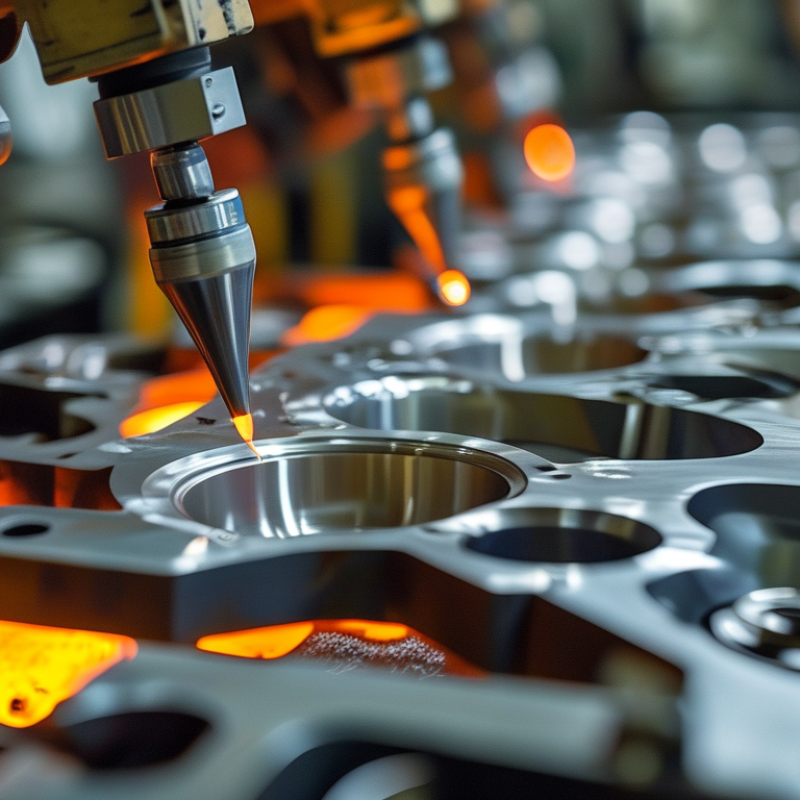
Can Vacuum Lifts Handle High Temperature Metal Parts?

Understanding Vacuum Lifts and Their Mechanisms

Vacuum lifts are specialized devices designed to handle a variety of materials. They use suction power to lift and move items quickly and efficiently. Understanding the mechanics behind these systems is crucial, especially when working with high-temperature metal parts. The material composition affects the vacuum's grip. For example, aluminum and stainless steel respond differently under stress.

Data from industry reports indicates that vacuum lifts can effectively handle temperatures up to 300°F (149°C). However, beyond this threshold, performance diminishes. The rubber seals used in vacuum lifters may degrade, affecting suction strength. The material types and their thermal properties are critical in determining compatibility.

Furthermore, operators must consider the risk of thermal expansion. Metal parts expand when heated, which can lead to varying shapes. This variability can disrupt the vacuum seal, causing accidents. Therefore, regular testing and safety checks are essential. Research shows that integrating temperature monitoring systems can enhance reliability. However, these solutions add complexity and cost, leading to ongoing debates within the industry. Reliable parameters must be established for safe operation.

The Impact of High Temperatures on Vacuum Lift Performance

High temperatures can significantly impact the performance of vacuum lifts. These systems rely on maintaining a vacuum seal to lift heavy objects. When metal parts reach elevated temperatures, several factors come into play. The effectiveness of the vacuum can be reduced due to thermal expansion. As metals heat up, they can change shape slightly, disrupting the seal. This can lead to a loss of lifting ability.

Another concern is the material of the vacuum lift itself. Components can wear down faster with constant exposure to high temperatures. The sealing materials might degrade, leading to air leaks and operational failures. Routine maintenance becomes crucial, as even minor changes in the vacuum system can drastically affect performance. Moreover, operators must ensure that the vacuum lifts are designed with high-temperature environments in mind.

Using a vacuum lift in high-temperature situations raises questions about safety. If a lift fails while handling hot parts, it can lead to accidents. The weight of heated metals is a serious issue. Therefore, careful consideration is needed in these applications. Training of personnel on potential risks is essential. Understanding these variables helps in optimizing vacuum lift usage.

Material Compatibility: Vacuum Lifts and Metal Parts

Vacuum lifts are increasingly used in industrial settings for handling various materials, including metal parts. However, the high temperatures associated with metal components can pose a challenge for vacuum lifting systems. Material compatibility is crucial in ensuring safe and efficient operation.

When lifting high-temperature metal parts, the construction of the vacuum lift must be considered. Standard rubber or plastic grips may not withstand extreme heat. Instead, they should be composed of heat-resistant materials. Metal components often conduct heat, which can affect the lifting mechanism. Regularly assess the integrity of the vacuum seals and materials in contact with the lifted parts.

Tips: Always choose vacuum lifts designed for high-temperature applications. Ensure that gaskets and seals are suitable for resisting heat. Periodically inspect the equipment for signs of wear or damage.

Another factor is the weight of the metal parts being lifted. Heavier parts can strain lifting mechanisms and lead to equipment failure. Balancing the load is essential. Operators should be trained to understand the limitations of the equipment.

Tips: Use load limit indicators where available. Monitor the weight of items being lifted carefully. If unsure, consult an expert to determine suitable equipment for your needs.

Can Vacuum Lifts Handle High Temperature Metal Parts?

Challenges in Handling Hot Metal with Vacuum Technology

Handling high-temperature metal components presents unique challenges for vacuum lift systems. When dealing with heated materials, maintaining a secure grip becomes critical. The high temperatures can alter the properties of the metal, affecting adhesion. This can lead to slippage, posing risks during transportation.

Moreover, vacuum systems must accommodate thermal expansion. As metals heat up, they expand, creating potential gaps in the grip. This requires precise calculations and adjustments to ensure safety. Many industries use specialized vacuum pads and systems designed for elevated temperatures. However, not all solutions are foolproof. Some applications may require constant monitoring and adjustments to avoid mishaps.

The operational environment also plays a role. Dust, oil, or other contaminants can interfere with the vacuum seal. In extreme conditions, these factors can compromise efficiency. The need for regular maintenance and inspection becomes essential. Understanding the specifics of hot metal handling is crucial for improving vacuum lift performance. Adapting technology to meet these challenges can significantly enhance safety and efficiency in manufacturing.

Safety Considerations for Vacuum Lifts in High-Temperature Environments

Vacuum lifts are popular in many industries, especially for transporting heavy metal parts. However, when it comes to handling high-temperature metal components, important safety considerations arise. Extreme heat can affect the efficiency and safety of vacuum lifts. It's crucial to assess the thermal tolerance of the lifting system before use.

For high-temperature environments, ensure the vacuum lifting equipment is designed to withstand such conditions. Regularly inspect seals and suction pads, as heat can degrade materials over time. Also, be cautious of any signs of wear. This can lead to failure, potentially resulting in accidents.

Tips: Always conduct heat-related tests on the equipment. Use infrared thermometers to monitor temperatures. Training staff about the risks associated with high-temperature handling is essential. Create a response plan in case of a vacuum failure. Remember, safety should always come first.

FAQS

: How do high temperatures affect vacuum lift performance?

: High temperatures can cause thermal expansion, reducing the effectiveness of the vacuum seal. This may lead to decreased lifting ability.

What materials should vacuum lifts use for high-temperature applications?

Vacuum lifts should be made from heat-resistant materials. Standard rubber or plastic may not withstand extreme heat effectively.

Why is regular maintenance important for vacuum lifts?

Regular maintenance helps prevent operational failures. Even minor changes in the vacuum system can drastically affect its performance.

What safety risks are associated with high-temperature vacuum lifts?

If a vacuum lift fails while handling hot parts, it can lead to accidents. The weight of heated metals is also a concern.

How can operators ensure the safety of vacuum lifts in high temperatures?

Operators should inspect seals and suction pads regularly. Training staff about potential risks is also essential for safety.

What should you monitor when lifting heavy metal parts?

It's important to monitor the weight of items being lifted carefully. Balancing the load protects against equipment failure.

How can one assess the thermal tolerance of vacuum lifting equipment?

Regular heat-related tests and using infrared thermometers can help monitor temperatures effectively.

What should operators do if unsure about the suitability of their equipment?

If unsure, consult an expert to determine what equipment is appropriate for handling high-temperature materials.

How often should vacuum lifts be inspected for wear and damage?

Regular inspections are crucial, especially for seals and gaskets, as heat can degrade materials over time.

What measures can be taken to prepare for vacuum lift failures?

Creating a response plan for vacuum failures is essential. This preparedness can help mitigate injury and damage.

Conclusion

The article titled "Can Vacuum Lifts Handle High Temperature Metal Parts?" explores the functionality and limitations of vacuum lifts in high-temperature applications. It begins with a comprehensive overview of vacuum lifts and their operating mechanisms, emphasizing their effectiveness in handling various materials. However, the discussion on high temperatures reveals significant challenges, as elevated temperatures can adversely affect the performance of vacuum lifts.

Furthermore, the material compatibility of vacuum lifts with metal parts is critically examined, highlighting potential issues such as thermal distortion and material degradation. The article also addresses the specific challenges faced when using vacuum technology for hot metal handling, including suction strength and thermal stability. Lastly, safety considerations are discussed, stressing the importance of mitigating risks in high-temperature environments. In conclusion, the article answers the question "Can a vacuum lift be used for high-temperature metal parts?" by acknowledging the limitations while suggesting best practices for safe usage under such conditions.

Madeline

Madeline

Madeline is a dedicated marketing professional with a wealth of expertise in our company's core offerings. With a keen understanding of the industry, she brings a unique perspective to her role, consistently delivering high-quality content that highlights the superior aspects of our products. As......