Choosing the right vacuum lift for heavy loads is crucial in industrial applications. When asking, "What size vacuum lift do I need for 500kg steel plates?" professionals must consider several factors. Steel plates weigh significantly, and their handling requires reliable lifting solutions. According to industry data, vacuum lifts can efficiently handle up to 90% of heavy loads when designed correctly.
The size of a vacuum lift impacts its performance and safety. An inappropriate lift size can lead to accidents or equipment failures. It's essential to ensure that the lift’s suction capacity matches the weight of the steel plates being handled. For 500kg plates, a vacuum lift must provide adequate lifting power without compromising safety standards. Reports indicate that many companies experience operational delays due to lifting equipment issues. Investing in the right vacuum lift minimizes downtime.
Dimensions also matter. The lift’s surface area and suction pads must be designed to ensure secure grip. Industry best practices recommend a conservative approach to calculate the necessary size. Reflecting on past experiences reveals that tailored solutions often outperform generic ones. Engaging with experts in vacuum technology can provide insights into making the right choice.
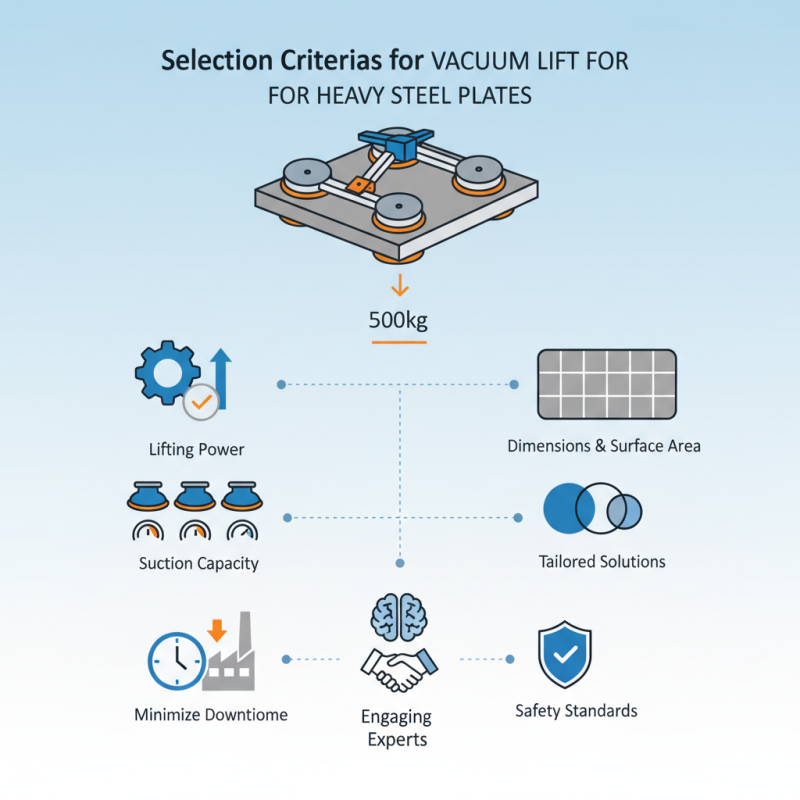
When determining the vacuum lift size for moving 500kg steel plates, several factors come into play. The weight of the plate is crucial, but so is the surface area. Larger surface areas require more suction to ensure a secure grip. Uneven or textured surfaces can also impact the effectiveness of the vacuum. Sometimes, users overlook how surface cleanliness affects the lift. Dust or oil can compromise suction.
Another aspect to consider is the lift height. The height you need to raise the plates can change the vacuum lift requirements. Higher lifts need more power to ensure the plates remain secure. Additionally, safety is paramount. Having a margin for error is wise, so choosing a vacuum lift with a slightly higher capacity can provide peace of mind.
Finally, consider the environment where the lift will be used. Extremely cold or hot conditions can influence how materials behave. This variability requires careful thought when selecting equipment. Often, users may rush this decision, overlooking how these environmental factors play a significant role in the lift's performance.
When selecting a vacuum lift for 500kg steel plates, understanding load capacities is crucial. First, assess the weight distribution. Steel plates often have uneven surfaces, which can affect grip and safety during lifting. The vacuum lift must be able to handle not only the total weight but also the specific dimensions of the plates. Consider the size of the lift cups. Larger cups can create a greater surface area for suction, which helps stabilize the load.
Next, think about the environment. A dusty or oily surface can impact the effectiveness of the lift. Regular maintenance is essential to ensure that the vacuum system remains reliable. Moreover, the equipment's power source and operating conditions should match the intended use. Both can affect the overall performance of your lift.
It's worth noting that while many vacuum lifts are designed for heavy loads, not all will perform equally. Testing the setup before full-scale use can prevent accidents. Always consider the manufacturer's specifications. Human error is also a factor. Comprehensive training for operators can enhance safety and efficiency. Being mindful of these details will contribute to a more effective lifting solution.
When calculating the vacuum lift requirements for 500kg steel plates, several factors must be considered. The first aspect is the size of the vacuum pad. A larger pad may distribute weight more effectively. This is crucial as uneven weight distribution can lead to handling issues.
Vacuum lifters typically rely on a strong seal to lift heavy objects. The condition of the surface plays a vital role here. If the steel plate is rough or irregular, the vacuum may not form adequately. It's essential to ensure surface cleanliness for optimal performance. Regular checks on lift efficiency can prevent potential mishaps.
Another consideration is the environment in which the lifting occurs. Factors like temperature and humidity can affect the vacuum system. High temperatures may lead to material expansion. This can impact the sealing capability. It’s wise to test equipment under various conditions to understand its limits. Re-evaluating your approach regularly will enhance safety and effectiveness.
| Lift Size | Lifting Capacity (kg) | Vacuum Pressure (kPa) | Pad Size (mm) | Number of Pads |
|---|---|---|---|---|
| Small | 500 | 80 | 200 x 200 | 2 |
| Medium | 500 | 90 | 300 x 300 | 2 |
| Large | 500 | 100 | 400 x 400 | 2 |
| Extra Large | 500 | 110 | 500 x 500 | 2 |
When handling heavy steel plates, selecting the right vacuum lift is crucial. Various types of vacuum lifts cater to these specific needs. For 500kg steel plates, high-capacity lifts offer robust support. The choice often boils down to the design and operational requirements of your facility.
One option is the multi-pad lifting system. This system utilizes several suction cups, providing even weight distribution. It minimizes the risk of damage during lifting. Another alternative is the single-pad design, which is simpler but might not suffice for all weights. Each system comes with unique features that impact efficiency and safety.
Choosing the right vacuum lift is not always clear-cut. Factors include the material texture and surface conditions. Unexpected challenges may arise, like suction loss on uneven surfaces. Regular maintenance of the vacuum lift is essential for safe operation. It's easy to overlook these aspects, yet they directly affect performance and safety.
When using vacuum lifts for heavy loads like 500kg steel plates, safety should be your top priority. These lifts can significantly reduce the risk of injury compared to manual handling. However, improper use can lead to accidents. Workers must be trained to understand the limits of the equipment. Regular inspections and maintenance of the lift are essential to ensure reliability. Any signs of wear and tear should be addressed immediately.
Understanding weight limits is critical. While a vacuum lift may handle a 500kg load, its efficiency can drop if not correctly applied. Factors such as the surface texture and environmental conditions play a role. Proper sealing is necessary to maintain vacuum pressure. If the seal fails, the risk of dropping the load increases dramatically. Workers should be aware of the load distribution as well.
It's also vital to consider the area where the lift will be used. Clear pathways and adequate workspace reduce the chances of accidents. Lifting at awkward angles or near obstacles can be dangerous. Always communicate clearly when operating lifts. Potential distractions can lead to mistakes. Every team member should understand their role in maintaining safety. By prioritizing these considerations, the risks of using vacuum lifts can be minimized.
This chart illustrates the relationship between the weight capacity of vacuum lifts and the required suction area for effective lifting. Ensuring adequate suction area is critical for safely handling heavy loads like 500kg steel plates.
: Evaluate weight distribution and ensure the lift can handle uneven surfaces safely.
Larger lift cups create more suction surface area, improving stability during lifting.
Maintenance ensures the vacuum system remains reliable and effective. Neglecting it can lead to failures.
Operators should be trained on equipment limits and safe lifting practices to enhance safety.
Dusty or oily surfaces can reduce suction power, risking load stability during lifting.
Testing before full-scale use can uncover safety issues and avert accidents later on.
Failing to consider material texture and surface conditions can lead to unexpected challenges.
Clear pathways and adequate space minimize hazards and prevent accidents during operations.
A failed seal increases the risk of dropping the load, making proper sealing essential.
Distractions can lead to mistakes, emphasizing the need for clear communication among team members.
When considering the question, "What size vacuum lift do I need for 500kg steel plates?", several factors come into play. The load capacity of the vacuum lift is critical, as it must support the weight of the steel plates without compromising safety. Understanding the specific requirements, including the dimensions of the plates and the working environment, will aid in determining the adequate size.
Calculating the vacuum lift needs involves assessing the surface area of the plates to ensure proper suction and stability during handling. There are various types of vacuum lifts designed for managing heavy steel plates, each with unique features that cater to different operational demands. Additionally, safety considerations are paramount; ensuring the lift is equipped with fail-safes and adhering to recommended operational practices can significantly reduce the risk of accidents during use.

Bendo Lift