Why is My Vacuum Lift Not Achieving Maximum Pressure?

Time:2026-07-22 Author:Sienna
0%

When dealing with vacuum lifts, many operators ask, "Why is my vacuum lift not reaching full pressure?" This question is critical for ensuring efficiency and safety. A vacuum lift that fails to achieve its maximum pressure can disrupt operations and lead to costly delays. Understanding the potential reasons behind this issue is essential for effective troubleshooting.

Several factors can contribute to insufficient pressure in vacuum lifts. Leaks in hoses or gaskets may prevent the system from maintaining optimal conditions. Blockages in the vacuum lines can also hinder performance. Regular maintenance is crucial for preventing these issues, yet many overlook it. Ensuring all components are secure and checked routinely can save time and money in the long run.

Another aspect to consider is the quality of the vacuum pump itself. Old or poorly maintained pumps may not perform at their best. Operators should evaluate their equipment and replace or repair parts as necessary. A lack of attention to these details can lead to operational inefficiencies. Identifying the exact reason for low pressure can be complex, but it is fundamental for seamless operations.
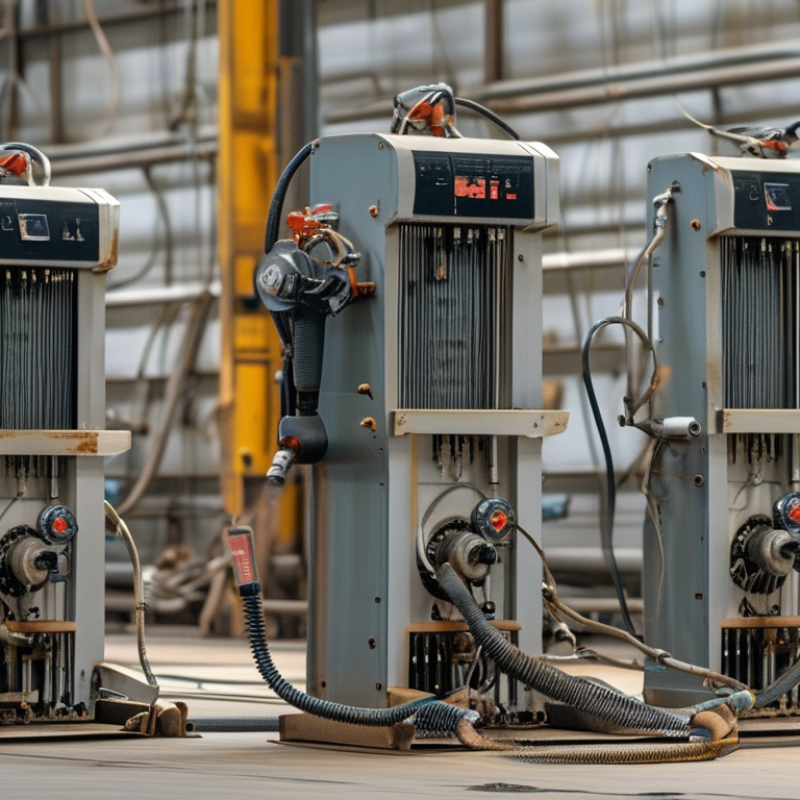
Why is My Vacuum Lift Not Achieving Maximum Pressure?

Potential Causes of Low Vacuum Pressure in Lift Systems

In vacuum lift systems, achieving maximum pressure is crucial for optimal performance. Low vacuum pressure can stem from various factors. One common issue is leaks in the vacuum line. According to industry reports, even a small leak can decrease vacuum pressure significantly, leading to inefficient lifting.

Another potential cause could be a malfunctioning pump. In studies, it has been noted that pump performance can degrade over time. Regular maintenance checks are essential to ensure pumps are functioning correctly. Blocked filters also play a significant role in low vacuum pressure. When filters become clogged, airflow is restricted, directly impacting pressure levels.

Lastly, system design flaws can lead to pressure issues. If the lift system is not designed to handle specific loads, this can result in inadequate pressure. Continuous monitoring is necessary to identify performance drops early. Understanding these factors can help in troubleshooting vacuum lift inefficiencies effectively.

Common Signs of Insufficient Vacuum Lift Performance

Insufficient vacuum lift can lead to noticeable performance issues. Users may report inadequate suction, especially when lifting heavier materials. According to a recent industry report, over 30% of vacuum lift users experience this issue. They often notice that objects don’t adhere properly. Materials may drop unexpectedly during transport, leading to potential safety hazards.

Another sign is loud operational noises. A vacuum lift should operate quietly, but excessive sound may indicate a problem. This could stem from worn-out components or air leaks in the system. Research shows that poor vacuum performance can reduce productivity by 25%. When lifts struggle to create sufficient pressure, employees may have to exert more effort, putting them at risk for injuries.

Monitoring usage patterns is crucial. Frequent maintenance can identify minor faults before they escalate. Operators should ensure that hoses are clear and connections are tight. Regular checkups help sustain optimal functionality. Often, simple oversights can hinder performance significantly. A proactive approach can save time and resources, ensuring everything works smoothly.

Why is My Vacuum Lift Not Achieving Maximum Pressure? - Common Signs of Insufficient Vacuum Lift Performance

Sign of Insufficient Performance Description Potential Causes Recommended Actions
Reduced Suction Power The vacuum exhibits a noticeable decrease in suction. Clogged filters, leaks in hoses, or damaged seals. Check and clean filters, inspect hoses for leaks, and replace seals if necessary.
Inconsistent Lift Performance Lift power fluctuates during operation. Air leaks, improper setup, or obstructions. Ensure all connections are secure and check for blockages.
Overheating The vacuum lift motor becomes excessively warm during use. Blocked vents or overworking the vacuum system. Clean air vents and give the machine breaks to cool down.
Noise Level Change The vacuum produces unusual sounds. Worn bearings or foreign objects in the motor. Inspect for debris and check motor components for wear.
Visible Debris Lifting Issues Large or heavy items are not effectively lifted. Insufficient vacuum force for the weight of the item. Consider upgrading to a more powerful system or reducing item weight.

Maintenance Tips for Ensuring Maximum Pressure in Vacuum Lifts

Vacuum lifts are essential in various industries. However, achieving maximum pressure can sometimes be a challenge. Regular maintenance is crucial for optimal performance. Here are some practical tips to help you maintain your vacuum lift effectively.

Check your seals regularly. Over time, they can wear out or develop leaks. A simple visual inspection can help identify issues before they affect pressure. If you notice any wear, replace them promptly. This small action can significantly improve pressure efficiency.

Also, keep your vacuum pumps clean. Dust and debris can block airflow, reducing lift effectiveness. Regularly inspect and clean all components involved in the vacuum system. This includes filters and valves. Neglecting maintenance can lead to unexpected failures and costly repairs.

Finally, monitor your system's pressure readings closely. If you start noticing irregularities, investigate immediately. Delayed responses can result in more significant issues down the line. Maintaining peak performance requires vigilance and a proactive approach. Small adjustments often lead to better outcomes.

Testing and Diagnosing Vacuum Lift Pressure Issues

When vacuum lift systems fail to achieve maximum pressure, it can be a frustrating experience. First, check for any leaks in the hoses or connections. Even small leaks can significantly reduce suction. Inspect all fittings and clamps. A loose or damaged connection might be the culprit. You may notice the loss of pressure when the system operates under load.

Next, assess the vacuum pump itself. Listen for unusual sounds; they may indicate wear or malfunction. If the pump runs continuously but doesn’t reach optimal pressure, it might be time for maintenance. Consider checking the oil levels or replacing filters. These simple steps can often restore functionality.

Another critical factor is the surface being lifted. If the material is porous or uneven, effective suction may be compromised. Test the lift on different surfaces to gather data. It’s essential to regularly review these aspects to ensure the system operates efficiently. Reflecting on these issues helps identify persistent problems and potential areas for improvement.

Upgrading Components to Improve Vacuum Lift Efficiency

When dealing with vacuum lift systems, upgrading components can significantly improve efficiency. Many systems fall short due to outdated parts. Consider replacing the pump with a high-efficiency model. This can boost the maximum pressure and enhance overall performance. Newer pumps often offer better airflow and reduced energy consumption.

Another critical area to focus on is the seals. Worn or damaged seals lead to air leaks. This can inhibit vacuum lift capacity. Upgrading to stronger, more durable seals ensures a tighter fit. It minimizes losses and keeps the system running smoothly. Proper installation of new seals is essential. Misalignment can offset the benefits of the upgrade.

Inspecting hoses and tubing is also vital. Old or cracked hoses may limit airflow. Replacing them with high-quality alternatives helps maintain optimal performance. The right material can also withstand varying conditions, providing longevity. However, these upgrades require careful assessment of the entire system. Rushing into changes without proper evaluation can lead to unforeseen issues. Taking time to understand weak points will yield better results in the long run.

FAQS

: How often should I check the seals on my vacuum lift?

: Regular checks are essential. Visually inspect seals to identify wear or leaks.

What signs indicate a vacuum pump needs maintenance?

Listen for unusual sounds. Continuous running without reaching optimal pressure suggests maintenance is needed.

How can I keep my vacuum lift components clean?

Regularly clean filters and valves. Dust can block airflow and reduce lift effectiveness.

Why is it important to monitor pressure readings closely?

Irregular readings may signal issues. Investigate immediately to prevent further problems.

What can happen if I ignore maintenance on my vacuum lift?

Neglecting maintenance can lead to unexpected failures and costly repairs.

How do I know if my surface is suitable for lifting?

Test the lift on different surfaces. Porous or uneven materials may compromise suction.

What should I consider when upgrading vacuum lift components?

Assess outdated parts carefully. Upgrading without evaluation can lead to unforeseen issues.

How can upgrading seals improve vacuum lift efficiency?

Stronger seals minimize air leaks. This ensures better suction and smooth operation.

What materials should I use for hoses and tubing?

Choose high-quality, durable materials. They should withstand varying conditions and maintain airflow.

Conclusion

In addressing the question, "Why is my vacuum lift not reaching full pressure?" several potential causes can be considered, such as leaks in the system, pump malfunctions, or blockages within the lift mechanism. Common signs of inadequate vacuum lift performance include slower operation, unusual noises, or failure to lift loads as expected.

To maintain optimal pressure in vacuum lifts, regular maintenance is crucial, involving checks for leaks, cleaning filters, and ensuring components are in good condition. Testing and diagnosing pressure issues can help pinpoint specific problems, while upgrading certain components may enhance the overall efficiency of the vacuum lift system, ensuring it operates effectively and reaches its maximum pressure potential.

Sienna

Sienna

Sienna is a skilled marketing professional with a deep expertise in our company’s core products and services. With a passion for innovation and detail, she plays a pivotal role in crafting insightful blog posts that not only highlight the unique features of our offerings but also provide valuable......