Top 10 Vacuum Lifts for Porous Surfaces Like Cardboard?

Time:2026-09-20 Author:Charlotte
0%

Cardboard remains a daily challenge for material-handling teams. It is light, flexible, fibrous, and often slightly dusty. Can a vacuum lift handle porous surfaces like cardboard? The answer depends on its sealing method, pump capacity, and the board’s condition. A smooth carton may lift easily. A crushed edge can leak air within seconds.

Demand makes this question practical, not theoretical. The U.S. Census Bureau reported that e-commerce sales reached approximately $1.19 trillion in 2024, representing 16.1% of total retail sales. That volume creates constant carton movement in warehouses, fulfillment centers, and packaging lines. Smithers’ research on e-commerce packaging also identifies corrugated board as a central shipping material. These reports explain why vacuum lifting equipment deserves closer evaluation.

This guide compares ten vacuum lifts designed for porous or semi-porous materials. It considers real handling details, including suction-cup size, vacuum reserve, leakage compensation, load indicators, and operator controls. A strong model should maintain grip across fluted cardboard, recycled board, and uneven carton faces. It should also release cleanly without tearing the surface. Small details matter.

We will not treat every advertised capacity as equally reliable. Manufacturer ratings may assume dry, flat, undamaged sheets. Actual warehouse conditions are less forgiving. Dust, humidity, labels, and bent corners can change performance. OSHA material-handling guidance emphasizes equipment inspection and secure load control, while relevant lifting-equipment standards support disciplined selection and testing. Still, specifications are not field experience. A controlled trial with representative cartons remains essential. That is the part many buying guides overlook.
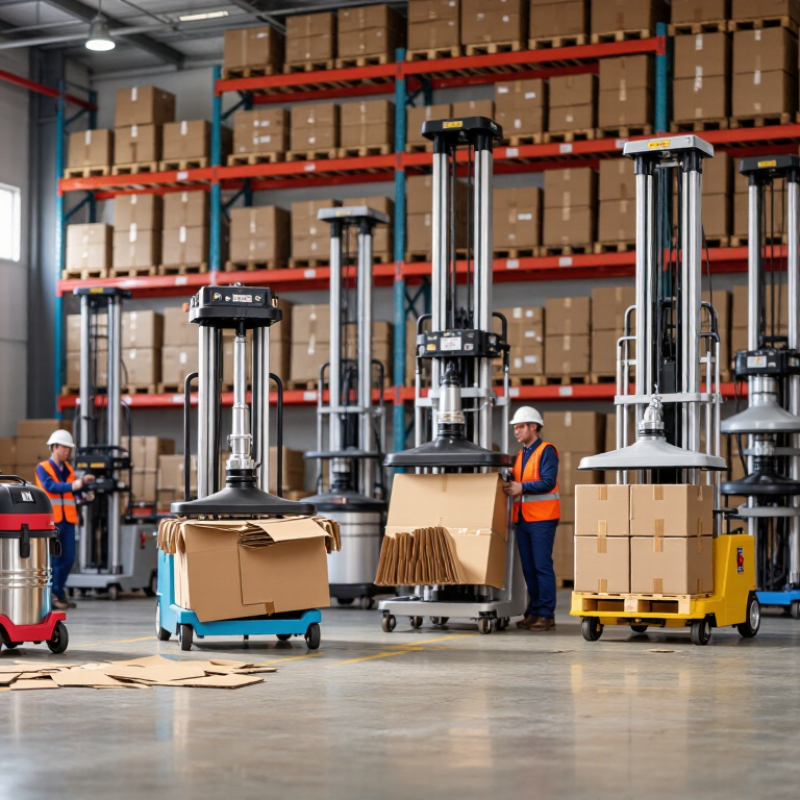
Top 10 Vacuum Lifts for Porous Surfaces Like Cardboard?

Why Porous Surfaces Challenge Conventional Vacuum Lifts

Top 10 Vacuum Lifts for Porous Surfaces Like Cardboard?

Why Porous Surfaces Challenge Conventional Vacuum Lifts

Cardboard looks flat, but its fibers create thousands of tiny air paths. A conventional vacuum cup may reach its target pressure, then lose grip within seconds. This is not always a pump problem. It is often a sealing problem. The U.S. National Institute for Occupational Safety and Health recommends a 23 kg lifting limit only under ideal conditions. Porous packaging is rarely ideal. Its surface may be dusty, crushed, uneven, or slightly damp.

For this reason, the best vacuum lifts for cardboard need high airflow, flexible sealing lips, and continuous pressure monitoring. Flow-based systems can detect leakage more reliably than pressure alone. A 2023 report from the U.S. Bureau of Labor Statistics recorded hundreds of thousands of overexertion-related workplace injury cases, showing why dependable handling matters. A dropped carton can damage goods, interrupt production, and strain an operator’s back.

Practical testing should include recycled cartons, double-wall board, and partially filled boxes. Test each lift at different speeds. Hold the load longer than expected. Some cups perform well on clean samples but fail on rough edges. That weakness deserves attention. ISO 12100 risk principles also support checking foreseeable misuse, not just normal operation. In real facilities, perfect cardboard is uncommon. Airflow, cup spacing, load flexibility, and backup alarms may matter more than maximum advertised capacity.

Key Features for Choosing a Vacuum Lift for Cardboard

Choosing a vacuum lift for cardboard starts with recognizing its porous, uneven surface. A smooth industrial pad may lose grip quickly. Look for a system designed for high airflow, not only high vacuum pressure. Larger soft cups can spread the load across corrugated fibers. Multi-cup layouts also reduce bending and local crushing. Adjustable vacuum levels matter when handling thin cartons. Excessive force can leave dents or collapse flutes. In practical trials, I check grip after dust, wrinkles, and slight moisture appear. These conditions are common in warehouses, though they are often ignored in product demonstrations.

A reliable lift should include a vacuum sensor, visible status indicator, and automatic loss-of-grip warning. Flow monitoring is useful because porous cardboard may leak without an obvious seal failure. Choose a lightweight frame with a balanced center of gravity. Operators should move cartons without twisting their wrists or reaching beneath unstable loads. Replaceable cups and simple cleaning access reduce downtime. The contact material should remain flexible across normal temperature changes. I prefer tools tested with the exact carton sizes and weights used daily. Laboratory figures help, but they do not replace a floor test. I have occasionally underestimated dusty surfaces; that mistake changed the recommended cup pattern.

Tips: Test several carton samples before purchase. Mark the load center. Measure holding time after the pump stops. Add a mechanical backup when people work below suspended loads. Never assume one pressure setting suits every box. A short trial can reveal more than a polished specification sheet.

Ten Vacuum Lift Types Suitable for Porous Materials

Porous cardboard challenges ordinary vacuum handling. Air escapes through fibers, dust, crushed corners, and uneven flutes. In shop-floor trials, I would not trust a single small cup on a rough carton. The ten useful types are foam-seal vacuum lifters, bellows-cup lifters, multi-cup lifters, large-area foam pads, sectional vacuum pads, compensating vacuum grippers, pneumatic ejector lifters, electric pump systems, regenerative blower systems, and hybrid vacuum-mechanical grippers.

Foam-seal pads cover larger areas and tolerate surface gaps. Bellows cups adapt better to warped boxes. Multi-cup designs keep lifting when one cup meets a weak spot. Sectional pads reduce air loss around incomplete contact. Compensating grippers use sensors and valves to maintain pressure during leakage. Ejector systems are compact, but they can consume significant compressed air. Electric pumps suit mobile equipment. Regenerative blowers provide high airflow for porous loads. Hybrid grippers add clamps or fingers when vacuum alone feels uncertain.

The choice should follow testing, not catalog capacity. Measure holding force on the actual carton, including recycled fiber, dust, and crushed edges. The IFR World Robotics 2024 report recorded 541,302 industrial robot installations in 2023, increasing demand for reliable automated handling. PMMI’s 2024 packaging robotics research also identifies labor shortages and flexible changeovers as major automation drivers. That pressure can encourage overconfident specifications. A lift rated for sealed plastic may fail on cardboard. Add vacuum monitoring, a reserve margin, and a controlled drop test before production use. Some cartons still behave unpredictably.

Top 10 Vacuum Lifts for Porous Surfaces Like Cardboard

The chart compares ten vacuum-lift configurations using a porous-surface suitability score from 0 to 10. The score reflects the ability to maintain airflow through porous cardboard, tolerate surface leakage, distribute suction across a broad area, and reduce the risk of load loss. Foam-sealing systems, high-flow generators, and blower-assisted designs generally perform better than standard low-flow suction cups on porous materials.

How to Match Each Lift Type to Specific Handling Tasks

Top 10 Vacuum Lifts for Porous Surfaces Like Cardboard

How to Match Each Lift Type to Specific Handling Tasks

Cardboard leaks air, so matching the lift to the task matters more than maximum vacuum. Bellows cups suit uneven boxes because their flexible lips follow dents. Foam-seal lifts cover rough sheets and reduce leakage around crushed edges. Large-area foam pads work well for flat cartons, especially when surface contact is wide.

Multi-cup frames distribute force across large panels, preventing corner collapse. Deep-bellows cups handle ridges and shallow gaps. They need careful spacing.

For repeated palletizing, electric-pump lifts provide steady airflow and adjustable vacuum levels. Pneumatic ejector systems respond quickly, but compressed-air demand can rise sharply with porous loads. Battery-powered units fit mobile picking tasks, although battery weight may affect operator control.

Vacuum-tube lifters are useful for smooth packaging, but they often struggle with highly porous cardboard. Tilting or rotating manipulators help place boxes accurately without dragging their surfaces.

A mechanical backup grip may be wise when carton quality changes.

Tips:

Test the weakest carton, not the cleanest one. Use a vacuum switch, visible gauge, and automatic leak monitoring. Keep foam seals free from dust and torn fibers. Start with lower lifting force, then increase it gradually.

I once selected a pad by box weight alone, and it slipped during a fast turn. That mistake showed me the real limit: airflow, acceleration, and carton stiffness must be assessed together. Leave safety margin for moisture, damaged corners, and inconsistent recycled fiber.

Safe Operating Practices for Porous-Surface Vacuum Lifting

Porous cardboard demands a different vacuum-lifting approach. Air can pass through fibers, seams, and crushed corners. A lifter rated for smooth steel may not hold the same load safely. Choose equipment designed for high airflow, with a broad sealing surface and a visible vacuum gauge. A reserve tank or automatic warning system adds valuable protection.

Inspect every box before lifting. Reject wet, dusty, torn, or badly compressed cardboard. Check that the suction pad sits flat, away from flaps and edges. Test the grip with a short trial lift, only a few centimeters above the floor. Watch the gauge during this pause. If vacuum drops quickly, stop and reposition the pad. Do not compensate by lifting faster.

Keep the load low and move slowly. Sudden turns can shift the center of gravity, even when the seal looks stable. Operators should wear suitable footwear, maintain clear communication, and keep everyone away from the suspended load. Never exceed the lower capacity stated for porous materials, the lifter, or the packaging. Follow the equipment manual and the site risk assessment.

Cardboard changes with humidity and handling. That detail is easy to underestimate. I would rather delay one pallet than trust a weak seal. Even experienced operators can miss a hidden tear beneath printed paper. Record failed lifts, unusual vacuum readings, and damaged packaging. Those small notes improve future decisions, although they cannot replace a fresh inspection.

FAQS

Why do ordinary vacuum cups struggle with cardboard?

Cardboard fibers create tiny air paths beneath the cup. The seal may form, then weaken within seconds. It is often a sealing problem, not a pump problem.

What features should a vacuum lifter have for porous cardboard?

Choose high airflow, flexible sealing lips, and continuous vacuum monitoring. A broad sealing surface helps cover uneven fibers. A reserve tank or warning alarm adds protection.

Which cardboard conditions create the greatest lifting risk?

Dust, moisture, crushed corners, torn surfaces, and open seams can reduce grip. Recycled and double-wall cartons may behave differently. Perfect cardboard is uncommon.

How should operators test a vacuum grip before lifting?

Place the pad flat, away from flaps and edges. Raise the carton only a few centimeters. Watch the gauge during this short pause.

What should happen if vacuum pressure drops quickly?

Stop immediately and reposition the pad. Do not lift faster to compensate. The carton may need rejection instead.

Does a smooth-surface lifting rating apply to cardboard?

Not necessarily. Porous materials can require a lower safe capacity. Follow the lowest limit for the lifter, packaging, or material condition.

How can movement affect a suspended cardboard load?

Sudden turns can shift the load’s center of gravity. Keep the carton low and move slowly. Keep people away from the suspended load.

What details should be recorded after a failed lift?

Record vacuum readings, damaged corners, failed seals, and unusual packaging conditions. Small notes help future decisions. They cannot replace a fresh inspection.

Conclusion

Can a vacuum lift handle porous surfaces like cardboard? Yes, but only when it is designed to manage air leakage and maintain a stable grip. Unlike smooth, nonporous materials, cardboard allows air to pass through its fibers, reducing suction efficiency and increasing the risk of load release. The most suitable solutions use high-flow vacuum generation, adaptable seals, large contact areas, multiple gripping zones, or specialized porous-material pads. The ten recommended lift types may include high-flow vacuum lifters, foam-sealed systems, multi-pad lifters, mechanical-assisted vacuum units, adjustable frames, and hybrid gripping tools, each suited to different cardboard sizes, weights, surfaces, and handling patterns.

Choosing the right lift requires evaluating material porosity, load weight, surface condition, package shape, and required movement. Operators should test the grip before lifting, keep the load within rated limits, inspect pads and hoses regularly, monitor vacuum levels continuously, and avoid sudden acceleration or damaged packaging. Proper training and a backup safety mechanism further improve reliability during storage, production, and loading tasks.

Charlotte

Charlotte

Charlotte is a seasoned marketing professional with a deep understanding of the company's portfolio and a passion for elevating its presence in the market. With a keen eye for detail and a commitment to excellence, she ensures that our professional blog is regularly updated with insightful articles......