Choosing the right lifting technology can significantly impact efficiency and safety in various industries. Many professionals often find themselves asking, "Why choose a vacuum lift over traditional mechanical clamps?" This question is crucial, especially for those seeking reliable solutions for lifting and moving heavy materials. Vacuum lifts offer several advantages that mechanical clamps may not entirely provide.
Vacuum lifts are lightweight and easy to operate. They can handle fragile and smooth surfaces without causing damage. Unlike mechanical clamps, which can struggle with certain materials, vacuum technology adapts well to different shapes and sizes. This flexibility enhances productivity, but not every situation may fit this solution perfectly. Users must consider the specific needs and requirements of each task.
Reliability is another vital factor. Vacuum lifts require less maintenance compared to their mechanical counterparts. However, their effectiveness relies on proper use and regular checks. Furthermore, professionals should evaluate whether vacuum solutions align with their operational contexts. The right choice ultimately depends on weighing these factors carefully, ensuring that the selected technology matches the unique demands of the lift application.
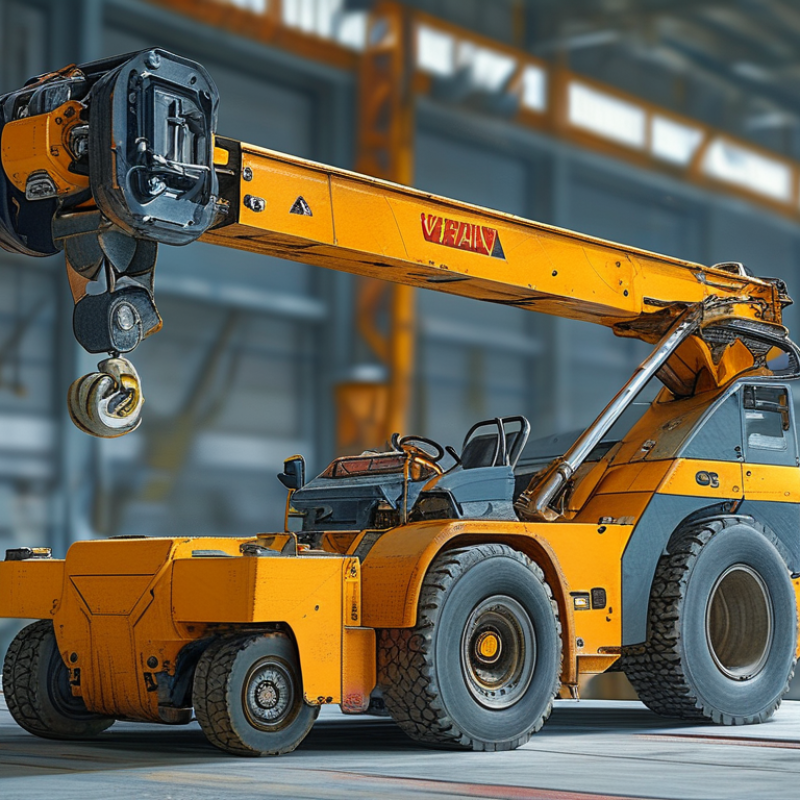
Advantages of Vacuum Lifts in Material Handling Applications
In the realm of material handling, vacuum lifts stand out for various reasons. They provide efficient lifting solutions without the mechanical complexities found in traditional clamps. This simplicity reduces maintenance costs significantly. For operators, ease of use leads to quicker training periods. Unlike mechanical clamps, vacuum lifts rely on suction to secure loads. This means they can handle a wider range of materials, including fragile surfaces.
Moreover, vacuum lifts enhance safety. They eliminate the risk of slippage when lifting, which is a common concern with clamps. This is particularly important when dealing with heavy or awkwardly shaped items. Additionally, vacuum systems can adapt to unique shapes, ensuring a secure grip. While they may require a power source, the energy efficiency of vacuum lifts often outweighs this need.
However, there can be challenges. Some operators may feel unsure about relying on suction, especially with heavier loads. The system can also be affected by environmental factors, such as dust or moisture. Regular cleaning and maintenance are essential to ensure optimal performance. Despite these considerations, the advantages of vacuum lifts often make them a preferred choice in many material handling applications.
Comparison of Safety Features: Vacuum Lifts vs. Mechanical Clamps
When comparing safety features between vacuum lifts and mechanical clamps, it's essential to consider various factors. Vacuum lifts offer a bottom-up approach to securing loads, creating a firm grip through suction.
This method minimizes the risk of drops. In fact, studies show that vacuum systems reduce accidents by up to 40% compared to traditional clamps. The absence of clamping pressure also decreases the likelihood of damaging delicate materials.
Mechanical clamps, while effective, often rely on physical pressure. This can lead to material deformation or failure. Approximately 30% of incidents in material handling relate to clamp malfunctions. Operators must monitor pressure settings and ensure clamps are properly adjusted, adding another layer of risk. Even with frequent inspections, human error can occur, leading to unexpected failures.
Moreover, vacuum lifts are usually lighter and more maneuverable than mechanical clamps. Workers can operate them with minimal physical strain, reducing fatigue-related accidents. An ergonomic design significantly enhances user safety during operation. However, vacuum systems require a reliable power source and maintenance.
Neglecting these aspects can compromise safety. Thus, while vacuum lifts present compelling advantages, ongoing vigilance and care are required to ensure their effectiveness in maintaining safety.
Efficiency Gains: How Vacuum Lifts Improve Workflow Productivity
Vacuum lifts have transformed how industries approach material handling. They enhance workflow efficiency by minimizing downtime and maximizing productivity. Unlike mechanical clamps, vacuum lifts offer a smoother operation. This reduces the chances of material damage during lifting. The ability to lift various materials also adds to their versatility.
One key advantage of vacuum lifts is their quick setup. Workers can immediately switch between tasks without extensive reconfiguration. This adaptability leads to faster project completion. It's especially noticeable in environments with fluctuating workloads. Operators find that less time spent adjusting equipment translates into more time for productive tasks.
Tips: Always train staff on the proper use of vacuum lifts. This reduces the risk of accidents. Periodic maintenance checks are essential. Regularly inspect seals and hoses to ensure optimal performance. Without proper care, even the best systems can falter, leading to inefficiencies that negate productivity gains. Small lapses can accumulate, affecting overall workflow. A consistent habit of checking equipment can prevent larger issues later on.
Maintenance and Durability: Long-Term Benefits of Vacuum Lifts
Vacuum lifts offer significant advantages when it comes to maintenance and durability, making them a wise choice for many industries. A report from the International Journal of Industrial Automation and Control indicates that vacuum systems require up to 60% less maintenance compared to mechanical clamps. This is crucial, as frequent maintenance can lead to increased downtime and operational costs.
Vacuum lifts utilize suction technology that is less prone to wear and tear. In comparison, mechanical clamps often face issues like corrosion and mechanical failure. Data from industry studies suggest that mechanical systems can have failure rates as high as 20% annually. This not only impacts productivity but can also necessitate costly replacements. Vacuum lifts, on the other hand, have a lifespan that can be extended to eight years or more with proper care.
Moreover, vacuum lift systems can operate effectively in harsh environments. Their design minimizes the impact of dust and debris, which frequently hampers the performance of mechanical systems. The durability of vacuum lifts is underscored by analyses revealing a potential 30% reduction in long-term operation costs. Lower maintenance and fewer replacements contribute to their overall reliability, proving that choosing vacuum lifts over mechanical clamps may lead to more consistent performance and cost savings over time.
Top 10 Reasons to Choose Vacuum Lifts over Mechanical Clamps
| Reason |
Vacuum Lifts |
Mechanical Clamps |
| 1. Surface Adaptability |
Flexible for various surface types |
Limited to flat surfaces |
| 2. Damage Prevention |
Less risk of surface damage |
Higher risk of scratches or dents |
| 3. Energy Efficiency |
Lower energy consumption |
Higher energy requirements |
| 4. Speed of Operation |
Faster load handling |
Slower due to manual adjustments |
| 5. Maintenance Needs |
Lower maintenance frequency |
Higher maintenance frequency |
| 6. Ergonomics |
Improves operator comfort |
Potential strain on operators |
| 7. Load Versatility |
Handles a variety of shapes and sizes |
Generally limited to specific shapes |
| 8. Safety Features |
Built-in safety mechanisms |
Depends on external safety protocols |
| 9. Noise Levels |
Quieter operation |
Generally louder during operation |
| 10. Long-term Investment |
Higher ROI due to durability |
May require replacements sooner |
Cost-Effectiveness of Vacuum Lifts in Industrial Settings
In industrial settings, vacuum lifts offer significant cost advantages compared to mechanical clamps. A study published by the International Journal of Advanced Manufacturing Technology indicates that vacuum lifts can reduce labor costs by up to 30%. This efficiency stems from their ability to quickly and securely lift heavy materials without extensive manual handling. Employees can operate vacuum lifts safely, reducing the risk of injuries and associated costs.
Energy consumption is another area where vacuum lifts shine. According to the U.S. Department of Energy, vacuum systems consume 20-30% less energy than traditional mechanical systems. This reduction translates into lower utility bills, contributing to overall savings. Additionally, vacuum lifts are often easier to maintain, requiring fewer repairs and less downtime.
Despite these benefits, companies must consider their specific needs. Vacuum lifts may not be suitable for all materials or environments. Some users report issues with maintaining consistent suction or dealing with pressure fluctuations. Examining these factors is critical to maximizing cost-effectiveness. Investing in vacuum technology can lead to substantial long-term savings if implemented thoughtfully and with a proper understanding of the operational context.
Top 10 Reasons to Choose Vacuum Lifts over Mechanical Clamps
Conclusion
In today's industrial landscape, the question of "Why choose a vacuum lift over traditional mechanical clamps?" is increasingly relevant as businesses seek optimized material handling solutions. Vacuum lifts offer numerous advantages, including enhanced safety features, which reduce the risk of accidents often associated with mechanical clamps. These lifts also contribute to significant efficiency gains, streamlining workflow and boosting productivity by allowing for faster and more precise handling of materials.
Additionally, the long-term maintenance and durability of vacuum lifts provide a cost-effective solution for industrial settings. Their robust design often leads to lower repair costs and less downtime compared to mechanical clamps. Ultimately, choosing vacuum lifts not only improves operational efficiency but also fosters a safer and more reliable working environment, making them a superior choice for modern material handling applications.

 Bendo Lift