The integrity of a lift's suction cup is crucial for safety and efficiency. "Why is the suction cup on my lift slipping?" is a common concern among users. According to industry reports, over 30% of lift accidents occur due to equipment failure. Often, this issue relates directly to the suction cup's performance.
Inadequate adhesion can stem from various factors. Dust, moisture, or even wear and tear can compromise the seal. For instance, a study by the National Safety Council found that clean surfaces increase suction performance by up to 50%. Yet many users overlook this routine maintenance. Regular checks and proper installation are critical for ensuring safe operation.
Addressing the slipping suction cup involves understanding its mechanics. The design of the cup creates a vacuum to hold it in place. If the surface isn’t ideal, the cup fails to maintain the vacuum. Reflection on these aspects can help mitigate risks. Users should prioritize education on maintenance best practices for their lifts.
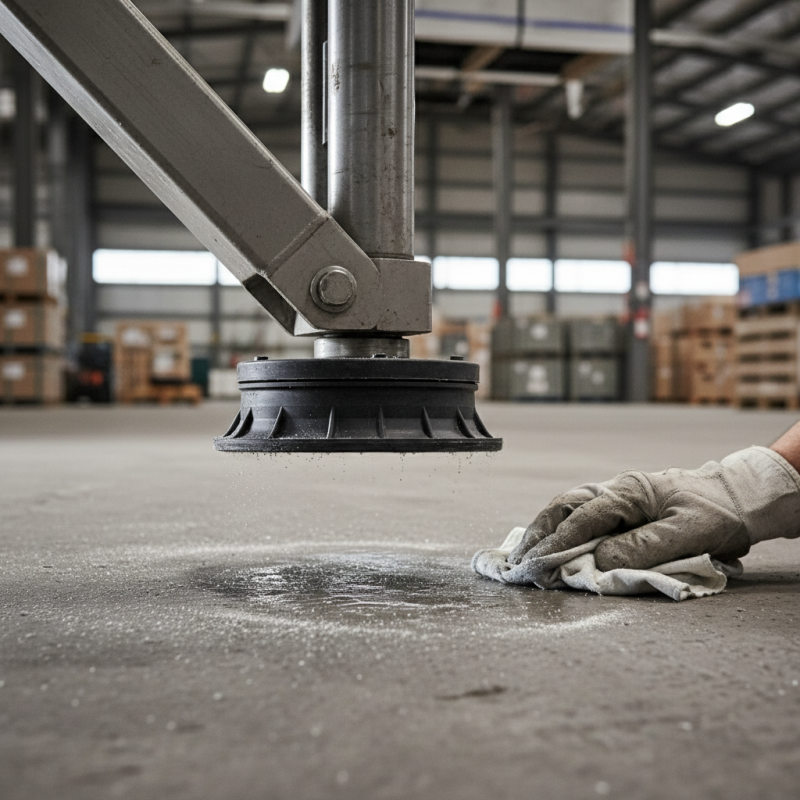
Suction cups play a crucial role in lifting devices, offering strong grip and stability. They work by creating a vacuum between the cup and the surface. This vacuum generates pressure that holds objects securely. Materials like rubber or silicone help improve the suction effect. Regular maintenance is essential to ensure their functionality.
Sometimes, suction cups slip due to various reasons. Dust, moisture, or even surface imperfections can disrupt the vacuum seal. Removing any debris from the surface can help improve adhesion. A smooth, clean surface is ideal for a secure grip. Users should also check for wear and tear on the suction cup. Cracks or old material can reduce effectiveness.
It’s worth pondering whether you are using the right size of suction cup for your task. An oversized cup might not fit well, while a small one may not support the weight. Always reflect on the environment where you are using the lifting device. The surface texture can make a significant difference. Consider changing locations or surfaces to enhance the suction capabilities.
| Issue | Possible Causes | Solutions | Prevention Tips |
|---|---|---|---|
| Slipping | Dirt or debris on the surface | Clean the surface thoroughly | Regularly inspect suction cup and clean surfaces |
| Not Holding | Wet or oily surface | Dry the surface and ensure it is free from oils | Avoid using on wet surfaces |
| Slow Release | Air leakage due to a damaged seal | Inspect and replace the suction cup if damaged | Store suction cups in a protective manner |
| Uneven Pressure | Improper placement | Reposition and ensure even pressure | Follow manufacturer's guidelines for placement |
| Loosening Over Time | Wear and tear | Regularly check and replace if necessary | Monitor usage and conditions affecting longevity |
: Improper surface preparation is a major cause. A clean, smooth surface is essential for optimal adhesion.
Temperature variations can cause materials to expand or contract. This can lead to a reduction in suction cup reliability.
Regular inspections can identify wear or damage. Damaged cups lead to performance issues and safety risks.
Dirt can compromise the seal, leading to slippage. Clean cups can help maintain lifting efficiency and safety.
Store suction cups away from extreme temperatures. A soft surface is preferable to prevent material degradation.
High-quality rubber or silicone is recommended. These offer better grip and durability for lifting tasks.
Many users overlook simple checks. Routine inspections can prevent accidents and enhance lift performance.
Look for cracks, tears, or discoloration. These often indicate that the cup is losing effectiveness.
Rough or contaminated surfaces reduce adherence. Ensuring surfaces are clean and smooth improves reliability significantly.
Failing to replace worn suction cups can lead to slippage and accidents. Regular replacement is essential for safety.
The article titled "Why is the suction cup on my lift slipping and how to fix it?" explores the essentials of suction cup functionality in lifting devices. It addresses common reasons behind suction cup slippage, highlighting the significant impact on performance. Factors such as temperature variations and surface conditions are examined to understand their effects on adherence. Moreover, the article provides a step-by-step guide for the proper maintenance and inspection of suction cups, ensuring optimal performance. Lastly, it emphasizes best practices for selecting quality suction cups, which are vital for enhanced stability and safety during lifting tasks. Understanding these elements is crucial for anyone dealing with lifting devices, especially when asking, "Why is the suction cup on my lift slipping?

 Bendo Lift