How to Safely Lift Heavy Metal Coils without Edge Damage?

Time:2026-08-16 Author:Liam
0%

Lifting heavy metal coils requires precision and care. The process can lead to edge damage if not handled properly. Industry expert Dr. Emily Harper states, "Understanding the lifting technique is critical to preserving coil integrity." This underlines the importance of safe practices.

When asking, "How to lift heavy metal coils without damaging the edges?" the answer lies in proper equipment and method. Using specialized lifting tools, like coil tongs, reduces risk. However, many operators overlook the right angles and load balance. This negligence can result in costly damage.

Additionally, training is essential. Workers must understand the nuances of lifting heavy objects. A lack of attention can lead to oversights that compromise safety and quality. Every lift should be approached with diligence and the right mindset.
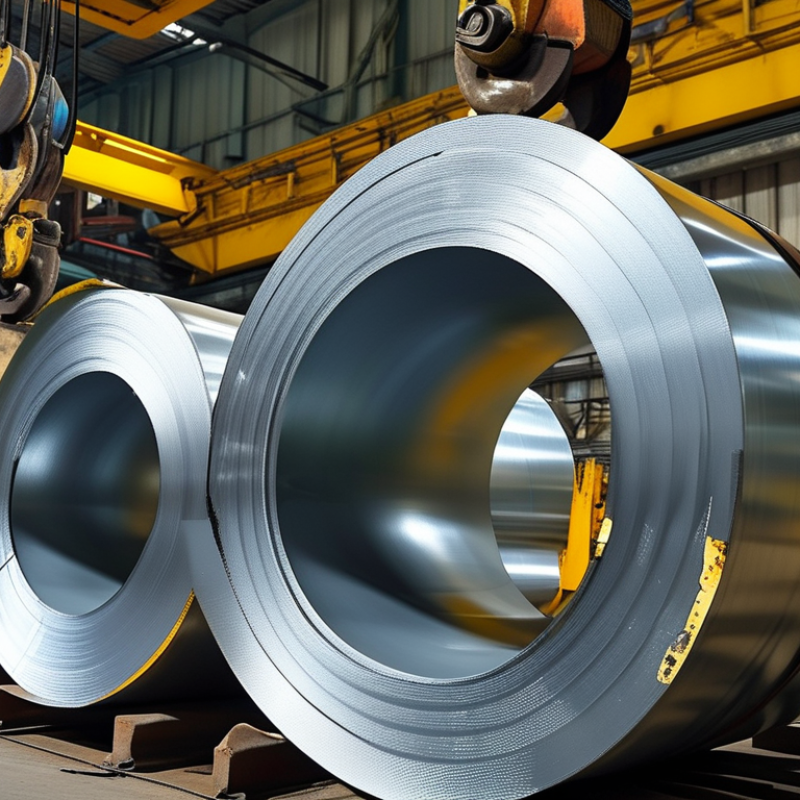
How to Safely Lift Heavy Metal Coils without Edge Damage?

Understanding the Properties and Risks of Heavy Metal Coils

When lifting heavy metal coils, understanding their properties is crucial. These coils are typically dense and can vary in size and shapes. Their weight creates a significant risk during handling. Improper lifting techniques can lead to accidents or serious damages. The sharp edges of the coils pose additional risks, often resulting in edge damage during transportation. This can compromise not just the coil's integrity but also safety.

Metal coils can be slippery due to their surface finish. Workers should wear appropriate gloves to enhance grip. Using straps or protective padding can help prevent edge damage. Training employees on proper lifting methods is essential. They must understand the weight distribution and stress points when lifting these materials. Experience plays a key role in developing muscle memory for safe handling.

Despite having safety protocols in place, risks can still arise. Incidents might occur from miscommunication or rushed actions. Regular safety drills can help reinforce techniques, but complacency is a constant threat. Each lifting scenario requires full attention. Workers should always assess their environment. Recognizing hazards can mean the difference between a safe lift and a costly mishap.

Selecting the Right Equipment for Lifting Heavy Metal Coils

When it comes to lifting heavy metal coils, selecting the right equipment is crucial. The right choice can prevent both edge damage and personal injury. Industry reports indicate that approximately 25% of workplace injuries involve improper lifting techniques. This underlines the importance of using specialized lifting tools designed for metal coils.

One effective option is the use of coil lifters. These devices are specifically engineered to secure the coil's edges without causing harm. They distribute weight evenly. A recent study found that using the correct lifting equipment can reduce the risk of damage by 40%. This statistic emphasizes how critical it is to invest in suitable tools for handling heavy loads.

It's essential to assess the lift capacity and design of equipment. Some lifters offer adjustable settings, catering to various sizes and weights of coils. This flexibility can be beneficial but also raises concerns. If workers do not adjust equipment properly, it can lead to accidents. Safety protocols should be reinforced regularly to ensure no oversight occurs in the lifting process.

Best Practices for Proper Lifting Techniques to Avoid Edge Damage

Lifting heavy metal coils requires precision and care to prevent edge damage. Each year, billions of dollars in metal products are damaged during handling. According to industry reports, nearly 30% of such damages occur due to improper lifting techniques. Effective lifting methods are essential.

Employing proper lifting techniques significantly reduces risk. Use appropriate equipment, like slings or straps, designed for heavy loads. Ensure the lifting gear is rated for the coil weight. The angle of lift matters too. An incorrect angle can increase stress on the edges, leading to chips or fractures. Regular training sessions for workers on this equipment can help minimize mistakes.

Some organizations overlook maintenance. Worn-out lifting tools can compromise safety. Research indicates that up to 15% of lifting incidents are attributed to equipment failure. Regular inspections are crucial. Companies should routinely assess their lifting gear. Simple check-ups can identify potential failures before they lead to costly incidents.

How to Safely Lift Heavy Metal Coils without Edge Damage?

Lifting Technique Equipment Used Safety Measures Edge Protection Methods Weight Capacity (lbs)
Crane Lift Overhead Crane Proper Slinging Techniques Edge Padding 2000
Forklift Lift Forklift with Extended Forks Operator Training Rubber Edge Guards 1500
Manual Lift Hand Truck Team Coordination Corner Protectors 800
Vacuum Lift Vacuum Lifter Regular Equipment Checks Soft Foam Pads 1200
Hoist Lift Electric Hoist Load Testing Cardboard Protection 1000

Inspecting Coils Before Lifting: Key Considerations and Procedures

When lifting heavy metal coils, inspecting them beforehand is crucial. Assessing the coil condition helps prevent edge damage and ensures worker safety. The industry suggests that 15% of accidents occur due to improper lifting techniques. Many of these incidents could be avoided with a thorough inspection.

Check for signs of wear or deformation. Slight bends in the coil could lead to severe issues when lifted. The Coil Handling and Safety Report indicates that 30% of coil-related damages arise from unnoticed flaws. A good habit is to document the condition before every lift. It's essential to create a safety checklist that includes checking for rust, cracks, or improper winding.

Tip: Always use designated lifting equipment suited for the coil's weight and size. Training workers on recognizing potential hazards is key. Consider grouping workers based on experience levels. A senior worker can guide newer employees during the inspection process. This mentorship can build a more safety-conscious team. Regular audits of lifting procedures can reveal areas for improvement and reflect on past incidents, helping refine practices for future lifts.

Heavy Metal Coil Lifting Safety Measures

Safety Protocols and Training for Handling Heavy Metal Coils

Proper training is vital when working with heavy metal coils. Employees should understand the risks involved in handling these materials. Regular workshops on lifting techniques are essential. These sessions help build skill and confidence. Knowledge of equipment usage is equally important. Workers should be familiar with cranes, hoists, and straps.


Safety protocols need to be clearly displayed in the workspace. Signs should remind workers to follow proper lifting techniques. It’s not enough to know the theory; practice is what builds safety awareness. Regular safety drills can highlight potential pitfalls. Workers often overlook details like coil edge damage. Awareness can prevent costly accidents.


Reviewing incidents is key. If a mistake happens, discuss it openly. What went wrong? How can we improve? This reflection helps create a culture of safety. Continuous learning fosters a reliable environment. Mistakes shouldn't lead to blame but rather to constructive growth. Consistent training ensures everyone knows how to lift heavy coils safely and effectively.

FAQS

: Why is proper lifting technique crucial when handling heavy metal coils?

: Proper lifting techniques prevent edge damage and costly incidents during handling.

What type of equipment should be used for lifting heavy loads?

Use slings or straps rated for the specific weight of the coils.

How can the angle of lift affect the handling process?

An incorrect angle increases stress on the edges, causing potential chips or fractures.

What common mistake can lead to lifting incidents?

Neglecting the maintenance of lifting tools compromises safety and can lead to equipment failure.

How often should lifting gear be inspected?

Regular inspections help identify potential failures before they cause incidents.

What is the role of training in handling heavy metal coils?

Training builds skills and awareness, reducing risks during lifting operations.

How can safety protocols be effectively communicated to workers?

Display clear signs in the workspace to remind employees of proper lifting techniques.

What should be done after a lifting incident occurs?

Discuss the incident openly to understand what went wrong and how to improve.

Why is it important to hold regular safety drills?

Safety drills help highlight potential pitfalls and reinforce proper lifting techniques.

How can continuous learning benefit a workplace handling heavy coils?

It fosters a culture of safety and constructive growth, helping everyone improve over time.

Conclusion

When considering how to lift heavy metal coils without damaging the edges, it is crucial to understand their properties and the associated risks. Selecting the appropriate lifting equipment is essential to ensure safety and efficiency during the process. Proper lifting techniques, including the use of padded slings and strategic load distribution, are vital to prevent edge damage.

Additionally, inspecting the coils before lifting is a key step to identify any potential issues. Implementing comprehensive safety protocols and providing thorough training for personnel involved in handling heavy metal coils can significantly reduce the risk of accidents and damage. By adhering to these guidelines, organizations can effectively lift heavy metal coils while maintaining the integrity of the edges.

Liam

Liam

Liam is a dedicated marketing professional with a profound expertise in the industry, where he excels at highlighting the unique advantages of our core products. With a keen understanding of market trends and consumer needs, Liam frequently updates our company’s professional blog, providing......