When it comes to the heavy-duty task of lifting metal coils, ensuring the edges remain undamaged is crucial. Experts emphasize the importance of safe handling techniques. John Anderson, a renowned material handling specialist, once stated, “Proper lifting is vital to prevent damage and ensure safety.” This indicates that knowledge in lifting practices is key.
Understanding how to lift heavy metal coils without damaging the edges? This question sparks interest among workers in manufacturing industries. Metal coils, if mishandled, can easily suffer edge damage. Such damage can lead to wastage and increased costs. This risk highlights the need for effective methods in lifting and transporting these materials.
In practical terms, using the right equipment—like coil lifters or edge protectors—can make a significant difference. Regular training on lifting techniques is essential. Additionally, reflecting on current practices might reveal areas for improvement. While many companies aim for efficiency, they must not overlook safety and material integrity. Finding a balance is often challenging but necessary for successful operations.
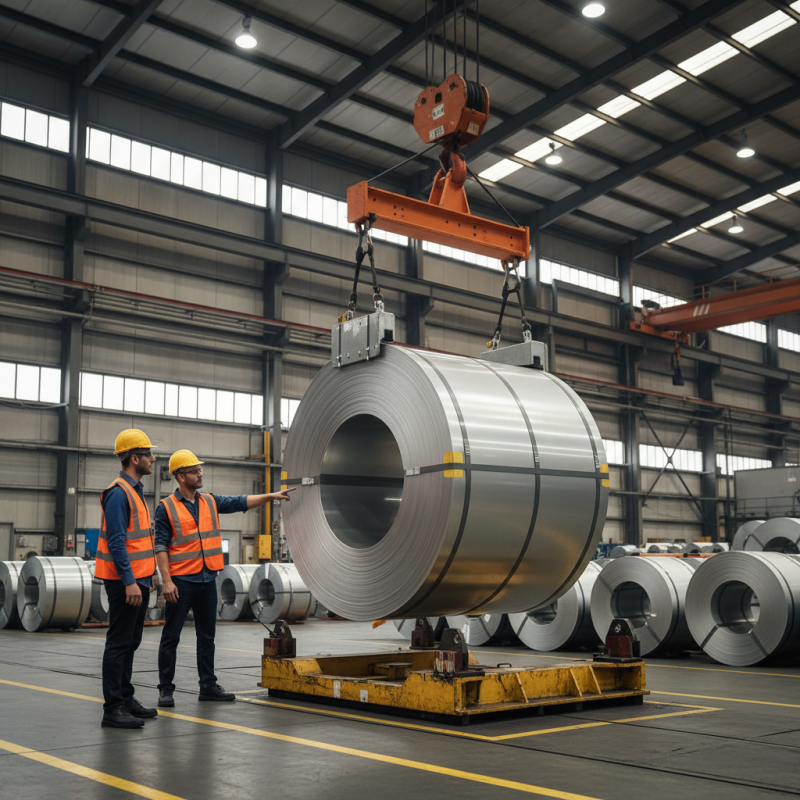
Lifting heavy metal coils safely is critical in industrial applications. Proper techniques ensure minimal edge damage. Reports show that over 30% of metal coil damage occurs during lifting. This highlights the importance of best practices in the lifting process. Using appropriate slings and spreader bars can significantly reduce this risk.
A study from the International Society of Safety Professionals reveals that misaligned lifting equipment leads to product damage in more than 20% of cases. Operators must take special care to align coils correctly with the lifting apparatus. Using padding can also help to prevent edge damage during transport. Always inspect lifting equipment before use. Wear and tear can compromise safety.
Training plays a vital role in ensuring best practices are followed. Regular workshops can enhance workers' skills, especially in handling delicate coils. It is not uncommon for errors to occur, revealing the need for constant vigilance. The potential for damage remains ever-present, requiring ongoing attention to practices and equipment. As industries evolve, so too must the methods used to protect and secure heavy loads.
Lifting heavy metal coils requires careful attention to their weight and dimensions. Typically, these coils can weigh several tons, making them challenging to maneuver safely. The standard dimensions often include diameter and width, with larger coils presenting unique handling risks. Understanding these specifics is crucial to prevent accidents and damage.
Properly measuring a coil's weight allows for the selection of suitable lifting equipment. Using a scale can provide exact weights. Knowing the diameter helps in planning how to grip and stabilize the coil. It’s vital to assess whether the lifting method can accommodate the load effectively. Inaccurate assessments can lead to mishaps, potentially harming operators or damaging materials.
Communication within the team is essential. Each member should understand the coil's weight and dimensions. Misunderstandings can result in improper lifting techniques. Regular training sessions can help address these issues. Safe handling of these coils demands awareness and practice. Reflecting on past lifting experiences can also improve future safety measures. It's essential to continuously rethink strategies to enhance operational safety.
Lifting heavy metal coils safely requires specialized equipment to prevent edge damage. A recent industry report highlights that 78% of accidents occur during transport due to improper lifting techniques. The right tools can greatly reduce this risk.
One essential piece of equipment is the coil lifter. These devices are designed to handle the weight and shape of metal coils. They distribute the load evenly, minimizing edge stress. Additionally, using protective padding on lifting equipment can absorb shocks during transport. This further prevents damage and extends the life of the materials being moved.
Another critical factor is operator training. Data shows that 67% of lift-related accidents involve untrained personnel. Investing in proper training ensures that operators understand the right methods and equipment use. This not only enhances safety but also improves operational efficiency. Regular safety audits can identify gaps in training and areas for improvement, reinforcing the importance of ongoing education in handling heavy metal coils.
Lifting heavy metal coils can be challenging. Properly securing these coils is essential to minimize edge damage. Employing techniques that focus on coil stability offers significant benefits.
One effective method is to use padding materials. Placing rubber or foam pads at the edges can prevent unnecessary impacts during lifting. These materials absorb shocks effectively. They also create a buffer zone between the coil and the lifting mechanism. Without such measures, the risk of damaging the edges increases significantly.
Proper alignment during lifting is crucial. Ensure that lifting straps or chains are positioned evenly around the coil's circumference. This prevents uneven stress that can lead to deformation or edge damage. Always double-check your setup before attempting a lift. Mistakes can happen when rushing. Take the time to review your equipment.
In addition to taking precautions, using the right tools is vital. Specialized coils lifts enhance safety and minimize damage risks. They distribute weight evenly and allow for better control. However, relying solely on equipment is not enough. Always assess the lifting area for hazards. Make necessary adjustments based on initial conditions. Adapt your plan if needed.
Lifting heavy metal coils requires adherence to strict safety guidelines. According to the American National Standards Institute (ANSI), improper lifting can lead to injuries and damage. More than 20,000 injuries related to materials handling occur annually in the U.S. workforce. Workers must be trained in safe lifting techniques to mitigate these risks.
One essential tip is to assess the weight of the coil before lifting. Accurate weight assessment prevents overloading and potential equipment failure. Utilizing appropriate lifting equipment is crucial. Equipment should match the load and adhere to industry standards outlined by the Occupational Safety and Health Administration (OSHA). For example, chains, slings, and hooks must bear rated capacities above the coil weight.
Maintaining a clear communication channel during the lifting process is vital. Ensure that team members understand their roles. Lack of communication often leads to accidents. Additionally, avoid lifting from edges that can cause damage. Consider using protective padding around sharp edges to minimize the risk of coil deformation or injury. Regular training sessions and safety drills can enhance team performance, ensuring everyone is on the same page.
: Over 30% of metal coil damage occurs during lifting. Misaligned equipment contributes to more than 20% of product damage.
Proper weight measurement allows for selecting suitable lifting equipment, preventing overload and potential accidents.
Using appropriate slings, spreader bars, and padding can significantly reduce the risk of edge damage during transport.
Regular training enhances skills in handling delicate coils, reducing errors and improving overall safety awareness.
Clear communication ensures every team member understands their roles, minimizing misunderstandings that lead to improper techniques.
Inspect lifting equipment for wear and tear to maintain safety. Always assess the coil's weight and dimensions.
Reflecting on past experiences and continuously rethinking strategies strengthen safety measures in lifting operations.
Padding protects coils from sharp edges, preventing deformation and injury during handling and transport.
Equipment must match the load and follow industry standards set by recognized organizations to ensure safe operations.
Not adhering to safe procedures can result in injuries, damage to coils, and accidents within the workforce.
Lifting heavy metal coils without damaging the edges requires knowledge of best practices and safety protocols. Understanding the weight and dimensions of the coils is crucial for safe handling, allowing for the selection of appropriate lifting techniques and equipment. Essential tools such as specialized slings and cradles can help minimize the risk of edge damage during transport.
To ensure safe lifting procedures, it's important to properly secure the coils. Techniques to achieve this include using soft edge protectors and ensuring balanced lifting to avoid undue pressure on specific areas. Adhering to industry standards and guidelines will further enhance safety during the lifting process. In summary, knowing how to lift heavy metal coils without damaging the edges involves a combination of proper assessment, equipment, and secure techniques for safe handling.

Bendo Lift