Precision positioning is a vital aspect of vacuum lifting systems. It ensures that loads are handled safely and accurately. As James Harrington, an industry expert, states, “In vacuum lifting, precision is not just an option; it's a necessity.” Why is precision positioning critical in vacuum lifting? The answer lies in the complex nature of handling heavy and often delicate materials.
Accurate placement minimizes damage and enhances operational efficiency. With precise positioning, operators can ensure that loads are securely attached. This reduces the risk of accidents during lifting and transfer. Vacuum lifting systems rely on strong suction. If the positioning is off, the vacuum might not hold. This could result in costly damage or injury.
The challenges in achieving precision include varying surface types and load weights. Each factor requires careful consideration. Experimentation in real-world conditions often reveals gaps in practices. Companies must continuously refine their strategies to meet evolving demands. Precision positioning is not only about technology; it involves human skill, training, and awareness. Therefore, a commitment to precision must be organizational-wide.
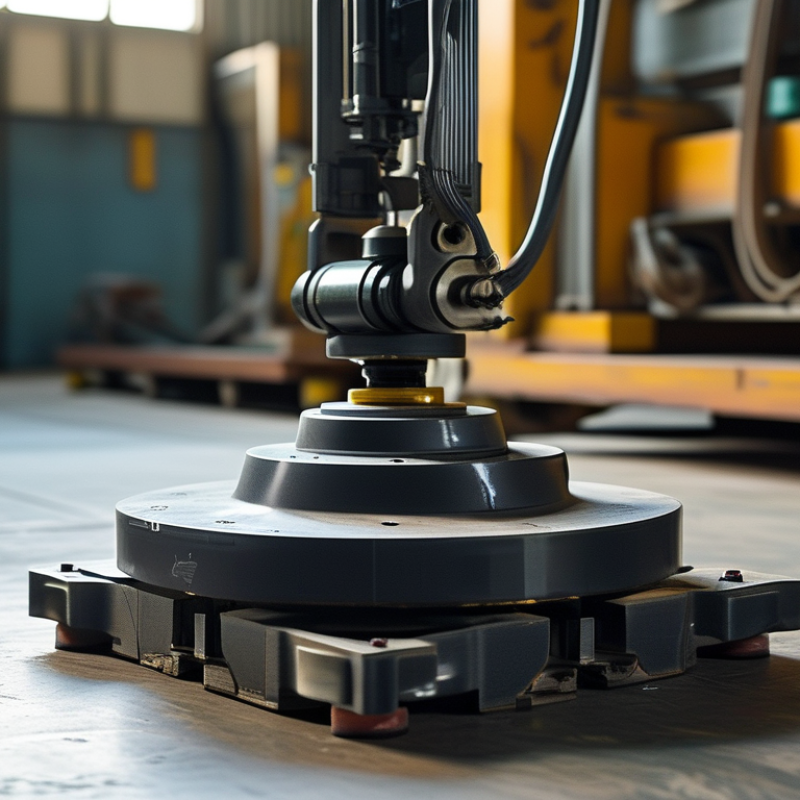
Precision plays a critical role in vacuum lifting systems. When implemented effectively, it ensures safe and efficient handling of heavy loads. A minor miscalculation can lead to accidents, causing damage to materials or even injuries. Consequently, ensuring precision enhances not only productivity but also safety standards.
Achieving precision requires consistent monitoring of the system. Regular checks on vacuum levels and lifting components can prevent failures. Operators should be trained to understand the importance of accurate measurements. This knowledge is vital in making informed decisions during lifting operations.
Tips: Always assess the load before lifting. Use appropriate vacuum pads for different materials. For example, ensuring compatibility improves grip. Additionally, calibration of sensors enhances precision. Lastly, keep a log of maintenance activities to identify patterns or issues over time. Regular updates help in sustaining performance and safety.
Precision positioning is critical in vacuum lifting systems. Several key factors influence positioning accuracy in lifting equipment. The alignment quality of lifting vacuum pads significantly affects load stability. Misalignment can lead to uneven weight distribution, risking accidents. According to industry studies, improper positioning might cause a 20% increase in load mishaps.
Operator training is another major factor. Skilled operators understand how to adjust settings and monitor alignment. Data indicates that well-trained staff can improve lifting accuracy by up to 30%. A lack of experience can result in oversights that compromise safety and efficiency.
Tips: Regularly inspect vacuum pads for wear. This can prevent alignment issues. Consistent training refreshers for operators can enhance their skills and awareness. Lastly, implementing automated systems can reduce human error, although they are not foolproof. Regular evaluations are essential to ensure ongoing accuracy. Investing time in these areas will yield significant improvements in positioning precision over time.
Precision positioning is crucial in vacuum lifting systems. This technology ensures that heavy loads are moved accurately and safely. The role of advanced sensors and control systems cannot be overlooked. They improve the reliability of lifts in complex environments. Precision reduces the risk of accidents and damages.
When incorporating technology into lifting systems, consider the benefits of real-time feedback. This allows operators to make adjustments instantly. Over time, this can lead to fewer accidents and increased productivity. Strong communication between the control unit and lifting apparatus is essential for optimal performance.
Tips: Regularly maintain your vacuum lifting equipment. This will enhance its precision and longevity. Using high-quality sensors can significantly improve load stability. Lastly, always train operators on new technology features. An informed team can better utilize advanced systems.
Precision positioning in vacuum lifting systems is vital for both safety and efficiency. A study by the International Journal of Advanced Manufacturing Technology reported that accidents due to imprecise lifting can lead to severe injuries. More than 30% of workplace accidents occur during material handling. This statistic highlights the importance of accurate positioning.
Inadequate precision increases the risk of dropped loads, which can cause not only physical harm but also financial losses. According to the American National Standards Institute, implementing precise positioning techniques can enhance operational safety by over 25%. Additionally, companies that adopt advanced vacuum lifting technologies report a 20% improvement in efficiency. This optimization minimizes downtime and maximizes productivity.
However, many organizations still struggle with skilled operators and adequate training. The gap in expertise can lead to improper handling and increased risk. This reflects the need for continuous improvement in training programs. Engaging workers in safety practices is crucial. There is always room for enhancement, and each workplace must focus on refining their processes for better outcomes.
Precision vacuum lifting systems are critical in various industries, enhancing safety and efficiency. For example, in the construction sector, these systems handle heavy materials like glass or steel panels. Accurate positioning ensures that materials are placed correctly, reducing the risk of accidents or damages. A misplaced panel can cause delays and additional costs, underscoring the need for precision.
In manufacturing, these systems support assembly lines. They lift components with care, maintaining the integrity of delicate parts. This is especially important in the automotive and electronics industries, where precision is crucial. Any misalignment can lead to defective products. Yet, even with advancements, challenges remain. Operators must be trained to manage these systems effectively, as human error can still occur.
Moreover, the logistics sector relies on precision lifting for moving loads in warehouses. Effective positioning saves time and boosts productivity. However, outdated equipment or poor maintenance can hinder performance, emphasizing continuous improvement. Regular assessments can help identify areas for enhancement, ensuring systems meet safety and efficiency standards. The journey towards perfection in precision lifting is ongoing, and vigilance is key.
| Industry | Application | Benefits of Precision | Examples of Use |
|---|---|---|---|
| Manufacturing | Assembly Line Automation | Increased accuracy in handling components | Automotive assembly, electronics manufacturing |
| Construction | Lifting Heavy Panels | Enhanced safety and reduced installation time | Facade installation, prefabricated buildings |
| Logistics | Handling Bulk Materials | Minimized damage during transport | Cargo handling in warehouses, shipping yards |
| Automotive | Lifting Vehicle Parts | Precision in aligning and placing parts | Assembly of chassis, engine components |
| Aerospace | Handling Delicate Components | Ensured protective handling of sensitive parts | Landing gear assembly, wing placement |
: Precision ensures safe handling of heavy loads and prevents accidents. Small errors can cause significant damage or injuries.
Regular monitoring of vacuum levels and lifting components is essential. This helps prevent potential failures during operations.
Well-trained operators can adjust settings and monitor alignment effectively. This training can increase lifting accuracy significantly.
Misalignment can lead to uneven weight distribution, increasing the risk of accidents by up to 20%.
Regularly inspect vacuum pads, assess load compatibility, and keep maintenance logs. These practices improve overall safety and efficiency.
They enhance safety in construction and manufacturing, where accurate load placement is vital to avoid accidents and delays.
While automated systems can reduce human error, they are not foolproof. Regular evaluations remain important for maintaining accuracy.
Human error and outdated equipment can hinder performance. Continuous training and updates are necessary for improvement.
Keeping a log helps identify patterns and potential issues over time, facilitating better performance and safety practices.
Effective positioning directly correlates with time savings and productivity boosts. Neglecting this aspect can lead to costly mistakes.
Precision positioning is critical in vacuum lifting systems due to its significant impact on both safety and operational efficiency. In various applications—from construction to manufacturing—accurate placement of heavy loads minimizes the risk of accidents and equipment damage, enhancing overall productivity. Key factors influencing positioning accuracy include the design of the lifting equipment, environmental conditions, and the technology employed in the system.
Advancements in technology, such as improved sensors and control systems, play a crucial role in enhancing precision positioning. These innovations not only increase the accuracy of load placement but also streamline workflows across diverse industries utilizing vacuum lifting solutions. Ultimately, understanding "Why is precision positioning critical in vacuum lifting?" reveals its essential role in ensuring safe and efficient lifting operations, making it a vital consideration for any organization relying on these systems.

Bendo Lift