How to Lift Oversized Plywood Sheets Alone with Vacuum Lift?

Time:2026-06-22 Author:Isabella
0%

Lifting oversized plywood sheets can be quite a challenge, especially when working alone. This task not only requires strength but also a smart approach. "How to lift oversized plywood sheets solo with a vacuum lift?" is a question that many DIY enthusiasts and professionals face. Expert Mark Johnson shares, “A vacuum lift can be a game changer for anyone trying to move large panels alone.”

Using a vacuum lift provides a safe and efficient way to handle large materials. It minimizes physical strain and reduces the risk of accidents. Imagine lifting a heavy plywood sheet effortlessly, allowing you to focus on the project at hand. However, it’s crucial to ensure the vacuum lift is correctly set up to prevent mishaps. Some users may overlook the importance of maintaining the lift, which can lead to failures during use.

Moreover, mastering the use of a vacuum lift requires practice. Familiarizing yourself with the device and understanding its limitations can enhance your efficiency. If you rush into using it without proper knowledge, you may find yourself in a tricky situation. Effective use of a vacuum lift transforms the task into a manageable process, enabling you to work smarter.
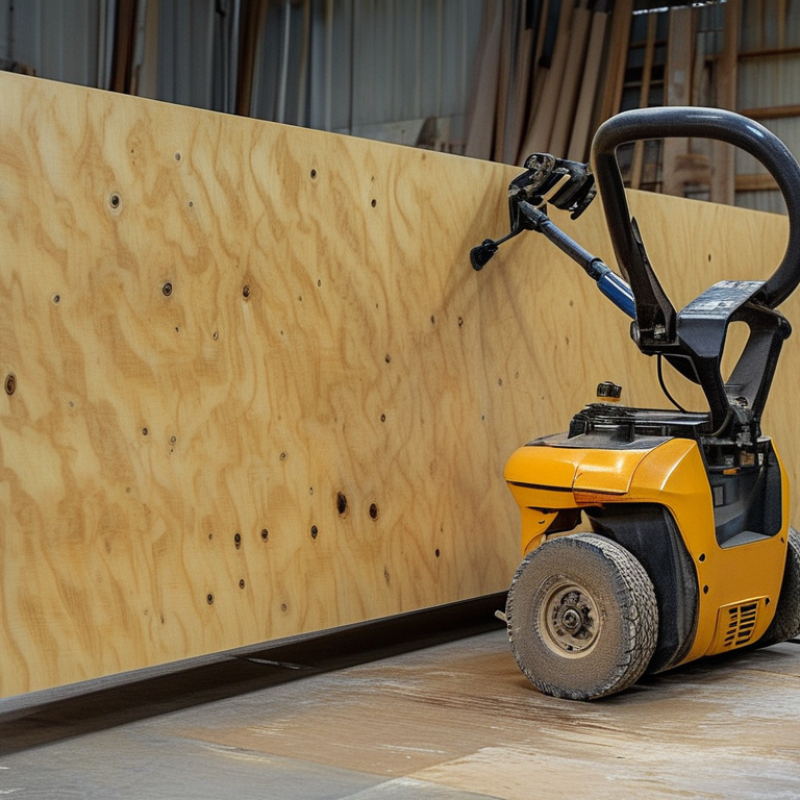
How to Lift Oversized Plywood Sheets Alone with Vacuum Lift?

Understanding Vacuum Lifts for Plywood Handling

Vacuum lifts are transforming the way individuals handle oversized plywood sheets. Understanding the mechanics behind these devices can significantly enhance safety and efficiency. These lifts create a powerful suction that allows one person to lift heavy sheets without strain. By distributing weight evenly, they reduce the risk of injury and make maneuvering simpler.

Consider the setup carefully. A good vacuum lift requires a clean surface for effective adhesion. Any dust or debris can compromise its ability to grip. Also, it’s essential to test the suction before lifting. Not doing so can lead to a frustrating drop, potentially damaging the material or causing accidents.

Using a vacuum lift takes practice. It’s crucial to maintain a steady hand when moving the sheets. Beginners may find it challenging to balance speed and control. Mistakes can happen. Over time, users develop a feel for the equipment, but initial efforts may require patience and reflection on what went wrong.

Selecting the Right Vacuum Lift for Oversized Sheets

When selecting the right vacuum lift for oversized plywood sheets, consider several key factors. Weight capacity is critical. Ensure that the lift can handle the specific weight of your sheets. A lift that is too weak may result in equipment failure or even accidents.

Material is another important factor. Different vacuum lifts work better with various types of surfaces. Some are designed for smooth sheets, while others handle textured surfaces. It’s essential to match the lift to your specific plywood type. Compatibility affects not just lifting efficiency, but also safety.

Don’t overlook ease of use. A vacuum lift should be intuitive. Complex systems can lead to mistakes. Test the controls before making a final decision. Look for user feedback. Even highly rated products can have hidden flaws. Personal experiences may reveal issues not mentioned in reviews. This reflection could steer you towards the right choice.

Preparing Your Workspace for Safe Lifting

Preparing your workspace is crucial for lifting oversized plywood sheets safely and effectively. Start by ensuring your area is clean and free from obstacles. A cluttered workspace can lead to accidents. Industry reports highlight that about 30% of workplace injuries occur due to environmental factors.

Next, check your equipment. Inspect the vacuum lift for any wear and tear. A study found that over 25% of lifting accidents are linked to faulty equipment. Make sure your vacuum pads are clean and properly attached. Using dirty or damaged pads can lead to slippage and accidents.

Lighting is also an essential factor. Good visibility helps to avoid mistakes. It’s important to position your plywood sheets close to your lifting area. This reduces the risk of carrying them long distances. Finally, consider asking for help for particularly heavy or awkward pieces. Relying solely on technology sometimes misses the human element, which can enhance safety. Reflect on past lifting experiences to identify potential improvements in your preparation.

Step-by-Step Guide to Operating the Vacuum Lift

When it comes to lifting oversized plywood sheets alone, using a vacuum lift can significantly enhance safety and efficiency. This guide outlines the essential steps for operating a vacuum lift effectively.

Before you start, ensure your workspace is clean and free from clutter. This sets the foundation for a smooth process. Attach the vacuum lift securely to the plywood. Double-check that it forms a tight seal. An imperfect seal can lead to accidents. Slowly lift the plywood while maintaining a firm grip on the lift handle.

Tips: Practice makes perfect. If you’re new to using a vacuum lift, consider dry runs with lighter materials. This builds your confidence. Always double-check the equipment for wear and tear. A faulty vacuum lift can compromise safety. Also, be aware of your lifting technique. Avoid straining or bending awkwardly.

As you maneuver the sheet, pay attention to your surroundings. Keep an eye out for obstacles. Good spatial awareness can prevent accidents. If you encounter any resistance while lifting, pause and reassess. It's better to adjust than to force it. Working smarter will lead to better results.

Vacuum Lift Efficiency for Lifting Oversized Plywood Sheets

Safety Tips for Lifting Plywood Sheets Alone

Lifting oversized plywood sheets alone can be a daunting task. It's crucial to prioritize safety at every step. When using a vacuum lift, ensure that the equipment is in good condition. Inspect it thoroughly before use. A faulty vacuum lift may not hold the sheet securely, leading to accidents.

Always wear appropriate personal protective equipment. Gloves can help maintain a firm grip, while safety goggles protect your eyes from debris. Position your body correctly. Stand with your feet shoulder-width apart for balance. This stability can prevent falls while lifting heavy sheets. Don't hesitate to ask for help if you feel uncertain.

Consider using additional tools like dollies or carts to move sheets after lifting. They can reduce strain on your body and provide extra control. Reflect on your technique regularly. If you experience discomfort or difficulty, adjust your methods. Lifting doesn’t just require strength; it demands a thoughtful approach to safety and efficiency.

How to Lift Oversized Plywood Sheets Alone with Vacuum Lift? - Safety Tips for Lifting Plywood Sheets Alone

Aspect Details
Weight Limit of Vacuum Lift Up to 600 lbs (272 kg)
Recommended Thickness of Plywood Up to 1.5 inches (38 mm)
Power Source for Vacuum Lift Electric with rechargeable battery options
Surface Material Requirements Smooth, non-porous surface for effective suction
Safety Gear Recommendations Gloves, safety goggles, and non-slip footwear
Training Requirement Basic training on vacuum lift operation is recommended
Common Mistakes to Avoid Not checking battery levels and ignoring maintenance schedules
Maintenance Tips Regularly inspect seals and suction pads for wear

FAQS

: How can I prepare my workspace for safe lifting?

: Keep the area clean and free from obstacles. This reduces accident risks.

Why is equipment inspection important?

Faulty equipment causes many accidents. Regular checks prevent injuries.

What can happen if vacuum pads are dirty?

Dirty pads can slip. This leads to potential accidents and injuries.

How does lighting affect lifting safety?

Good visibility is crucial. It helps avoid mistakes while lifting heavy sheets.

What is a good lifting stance?

Stand with feet shoulder-width apart. This position enhances stability and balance.

Should I always lift heavy sheets alone?

No, ask for help if you're unsure. Rely on others for heavy or awkward pieces.

What tools can help when lifting alone?

Use dollies or carts. They reduce physical strain and improve control.

How often should I reflect on my lifting techniques?

Regular reflection is essential. Adjust methods if you experience discomfort or challenges.

What is a common oversight in lifting safety?

Many overlook the importance of proper equipment checks. Always inspect before use.

Why is personal protective equipment necessary?

It safeguards you from injuries. Gloves and goggles enhance your protection.

Conclusion

In addressing the question of "How to lift oversized plywood sheets solo with a vacuum lift?", it is crucial to understand the basics of vacuum lifts, which are specifically designed to simplify the handling of large and heavy materials. The article outlines how to select the right type of vacuum lift best suited for oversized sheets, ensuring efficiency and safety during the lifting process.

Preparation of your workspace is essential, and the article provides practical steps to create a safe environment for operation. A detailed step-by-step guide is included to aid users in operating the vacuum lift effectively, along with safety tips tailored for solo lifting situations. By following these guidelines, individuals can confidently lift oversized plywood sheets on their own while minimizing risks and maximizing efficiency.

Isabella

Isabella

Isabella is a dedicated marketing professional with a sharp focus on driving brand growth and engagement through strategic content creation. With an extensive background in digital marketing, she combines her passion for storytelling with her keen understanding of industry trends to deliver......