When exploring the topic of vacuum lifts, a common question arises: "What is the lifespan of a vacuum lift suction pad?" Understanding this lifespan is crucial for both safety and effectiveness in various applications. Vacuum lift suction pads are essential in lifting heavy objects. However, their performance can degrade over time. Several factors influence their lifespan, including material quality, usage frequency, and environmental conditions.
These pads undergo wear and tear with each use. Factors like temperature fluctuations, exposure to chemicals, and physical damage can shorten their life. Regular inspections and maintenance are vital. Users often overlook the signs of wear, resulting in potential hazards. Ensuring the pads maintain a secure grip is crucial for both safety and efficiency.
In conclusion, while vacuum lift suction pads are designed for durability, their lifespan is not indefinite. Careful monitoring and understanding of "What is the lifespan of a vacuum lift suction pad?" can lead to better decision-making. Knowledge of the product’s limits can help in managing risks and ensuring optimal performance.
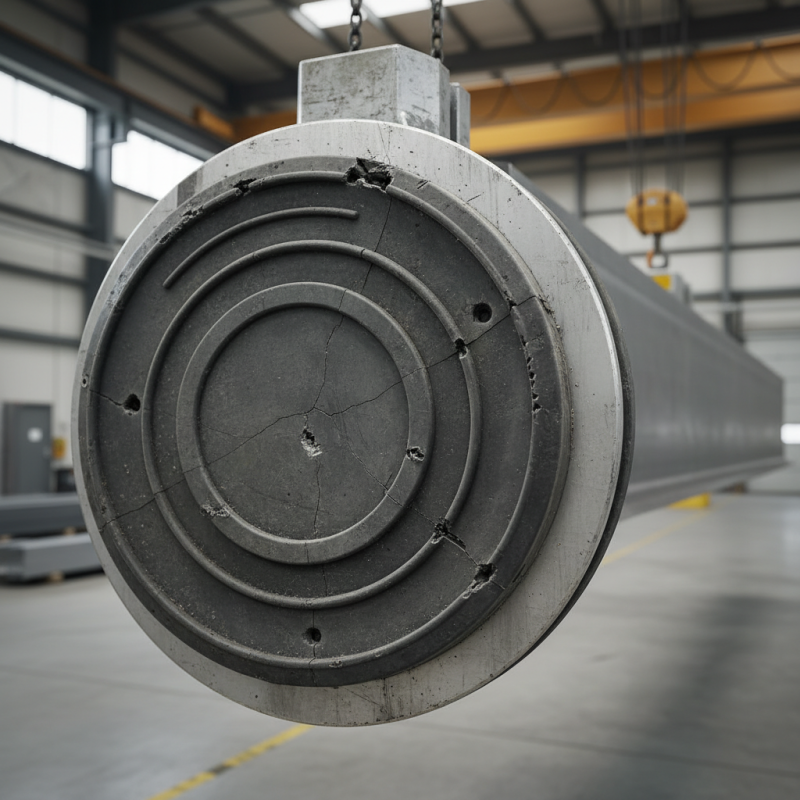
Vacuum lift suction pads are essential tools in material handling and construction industries. They create a vacuum seal that allows for the lifting of heavy objects. The design of these pads varies based on their application. Some are flat, while others are contoured to grip irregular surfaces. The size and shape affect their lifting capacity and efficiency.
According to industry reports, a well-maintained vacuum lift suction pad can experience varying lifespans. Factors such as the material, frequency of use, and operating conditions play significant roles. For instance, rubber pads can last between 1,000 to 5,000 cycles, depending on their exposure to harsh environments. Regular inspections are crucial to identify wear and potential failures. While many professionals rely solely on manufacturer guidelines, practical experience often reveals a need for more frequent checks.
Furthermore, environmental factors influence the longevity of these suction pads. Extreme temperatures and exposure to chemicals can degrade materials rapidly. Some users note that cleaning practices significantly impact performance. Keeping the pads free from debris can enhance their lifespan. However, many overlook this simple maintenance task, leading to premature failures and costly downtimes.
The lifespan of a vacuum lift suction pad depends on several key factors. Material quality plays a significant role in durability. Higher-quality rubber or polymers resist wear and tear better than cheaper alternatives. Sun exposure and extreme temperatures can degrade the materials over time, reducing their effectiveness. Regular inspections help identify any wear early.
Another crucial factor is how the suction pad is used. Frequent cycles of lifting and lowering increase stress on the pad. Using the appropriate weight limits helps maintain its integrity. Improper storage, like folding or crushing, can also shorten a pad's lifespan. Adopting best practices for handling can prolong its usability.
Environmental conditions affect performance too. Pads used in dusty or abrasive environments may wear out faster. Moisture can lead to mold or mildew. Regular cleaning and maintenance can mitigate these issues. A well-maintained pad can perform reliably for a much longer time. Yet, even with care, every pad will eventually need replacement. Understanding these factors helps optimize their lifespan.
The typical lifespan of vacuum lift suction pads largely depends on several factors. Generally, these pads can last from six months to two years. Their durability is influenced by material quality, usage frequency, and environmental conditions. Regular handling and exposure to contaminants can shorten their lifespan.
Routine maintenance is crucial for maximizing the life of your suction pads. Check for signs of wear or damage frequently. This includes cracks, tears, or loss of suction strength. If you notice any issues, replace the pads immediately. Ignoring these problems can lead to unsafe lifting scenarios.
Tips: Always store suction pads in a cool, dry place when not in use. Avoid direct sunlight as UV rays can degrade the material. Regularly clean the pads with mild soap and water. This helps remove substances that can cause deterioration. It’s a simple step that can extend their functional life considerably.
| Material Type | Typical Lifespan (Months) | Temperature Resistance (°C) | Load Capacity (kg) | Common Applications |
|---|---|---|---|---|
| Rubber | 6-12 | -20 to 60 | 100 | Glass, Metal Surface Handling |
| Silicone | 12-24 | -50 to 200 | 50 | Food Industry, Medical Equipment |
| Polyurethane | 10-18 | -30 to 80 | 150 | Automotive, Construction |
| PVC | 5-10 | 0 to 50 | 70 | Electronics, Packaging |
Understanding when to replace a vacuum lift suction pad is essential. Over time, suction pads can degrade. Regular inspection can help maintain performance and safety. Here are some signs that indicate a suction pad needs replacement.
If you notice visible wear, like cracks or tears, consider replacing it. These defects can reduce effectiveness. A suction pad should feel firm and secure when applied. If it appears loose or doesn’t hold well, it’s a sign of wear. Dirty pads can also lose their grip. Always clean pads before use and check for damage.
Tips: Regularly inspect your suction pads for signs of aging. Pay attention to the surface; smoothness is key for optimal performance. Store suction pads in a cool, dry place to extend their lifespan. Keep replacement pads on hand to avoid safety issues.
Watch for reduced holding power. If items slip or do not stay secure, the pad may need replacement. Lastly, consider the pad's age. Most suction pads have a finite lifespan, typically between 6 months to a year. When in doubt, replacing is a safer choice.
Suction pads are essential in vacuum lifts, providing the grip needed for safe operation. To extend the lifespan of these pads, it’s crucial to follow best practices. Regular inspection is key. Look for signs of wear or damage, such as cracks or discoloration. Even small imperfections can impact performance.
Proper cleaning can significantly enhance the longevity of suction pads. Use a soft cloth and mild detergent to eliminate dirt. Avoid harsh chemicals that could degrade the material. After cleaning, allow the pads to dry completely before reusing them. This simple step prevents premature wear.
Tips for maintaining suction pads include storing them in a cool, dry place when not in use. If they feel sticky, apply a small amount of talc to reduce friction. Perform periodic tests to check their grip. Remember, a pad that seems fine might still require replacement if it fails to hold securely. Regular maintenance will not only prolong their life but also ensure safety in lifting applications.
: They typically last from six months to two years. Factors like usage and materials affect longevity.
Look for visible wear, cracks, or tears. A loose or weak grip is also a strong sign.
Regularly inspect for damage and clean with mild soap. Store them in a cool, dry place.
Cleaning removes dirt that can cause wear. It also helps maintain optimal grip and performance.
Ignoring wear can lead to unsafe lifting. It’s better to replace pads than risk accidents.
Store them in a cool, dry place and avoid direct sunlight to prevent degradation.
Apply a small amount of talc to reduce friction. This can help improve grip performance.
Yes, having replacements available can prevent safety issues during critical lifting tasks.
No, avoid harsh chemicals as they can damage the material and reduce lifespan.
Regular cleaning with a soft cloth and mild detergent can significantly enhance their longevity.
The article "What is the lifespan of a vacuum lift suction pad?" explores the essential aspects of these critical components used in various lifting applications. A vacuum lift suction pad is a device designed to create a vacuum for lifting and transporting objects securely. Several factors, including the material composition, frequency of use, and environmental conditions, can influence the lifespan of these suction pads.
Typically, vacuum lift suction pads can last anywhere from several months to a few years, depending on their usage and maintenance. Users are advised to look for signs that indicate a suction pad needs replacement, such as visible wear or a decrease in suction. To ensure longevity, adopting best practices like proper cleaning, storage, and regular inspections can significantly extend their lifespan, thereby optimizing performance and safety during operations.

Bendo Lift