Integrating a vacuum lift into an assembly line can enhance productivity and safety. Industry expert Dr. Emily Carter states, "A vacuum lift simplifies the handling of heavy items, making workflows smoother." This integration not only streamlines processes but also reduces physical strain on workers.
However, the question remains: How to integrate a vacuum lift into an existing assembly line? Every assembly line is unique, presenting its own challenges. Factors like layout, equipment compatibility, and specific tasks must be taken into account. Communication with team members is crucial during this transition.
Adjustments might be necessary as unexpected hurdles arise. For instance, initial trials may reveal unforeseen mechanical issues with existing equipment. Regular assessments will ensure that the vacuum lift operates at peak efficiency. Embracing a flexible mindset can lead to finding innovative solutions to integration challenges.
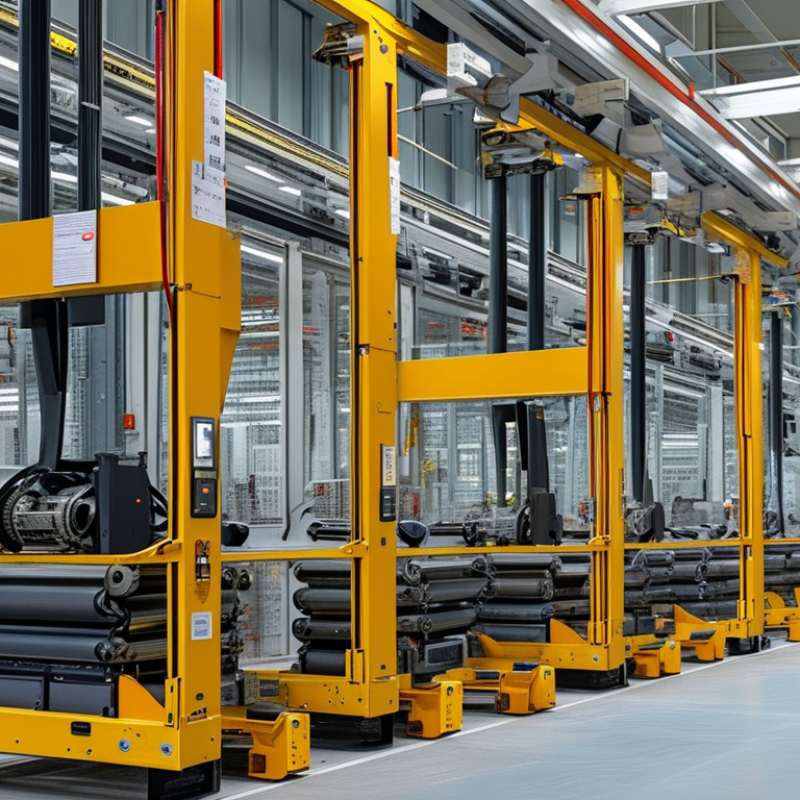
Vacuum lifts are essential tools in modern manufacturing and assembly lines. They lift heavy objects quickly and safely. Their applications vary widely, from automotive production to packaging. These devices use suction to handle materials that are otherwise cumbersome. They are beneficial for reducing physical strain on workers. However, understanding their mechanics is crucial for successful integration.
While vacuum lifts offer significant advantages, expertise in their operation is necessary. Operators must receive training to ensure safety and efficiency. Maintaining the equipment is also vital. Regular checks prevent breakdowns that can halt production. Additionally, your team should recognize the limitations of vacuum lifts. Not all materials are suitable for handling with these systems.
Integration into an existing assembly line requires careful planning. Evaluate your current workflow and identify bottlenecks. Choosing the right model for the specific tasks is important. Consider factors like weight capacity and the size of objects to be lifted. Each assembly line has unique needs that should be addressed for optimal performance. A seamless transition might take time, but the benefits can be substantial.
Assessing your assembly line for vacuum lift compatibility is crucial to leveraging their full potential. Begin by evaluating the types of materials you handle. According to industry reports, 70% of assembly line inefficiencies stem from improper handling of materials. A vacuum lift can efficiently manage items weighing over 50 pounds, reducing physical strain on workers and increasing productivity.
Next, analyze the layout of your current assembly line. A study found that 60% of assembly lines could benefit from space optimization. Consider the alignment of your stations and the distances between them. The design can make or break the integration of vacuum lifts. If there are tight spaces or obstacles, modifications may be needed. It's important to reflect on how these changes will affect workflow and employee safety.
Lastly, think about the training of your staff. Introducing new technology often leads to initial resistance. Reports indicate that nearly 40% of new systems fail due to lack of user training. Create a plan to educate your workers on the benefits and operation of vacuum lifts. Providing clear guidance can ease transitions and improve overall efficiency.
Installing vacuum lifts in your assembly line can significantly enhance productivity. The process is straightforward but requires careful planning. Begin by assessing your facility layout. Identify the key areas where lifts would add the most value. Will they aid in moving heavy items or streamlining repetitive tasks? Take measurements to ensure proper fit before buying any equipment.
Next, prepare your assembly line for installation. Clear the workspace to avoid any obstructions. This step is crucial. Ensure that all team members understand what adjustments will be made. It may lead to initial disruptions, and that’s okay. Communication is key during this phase.
Once your workspace is ready, it is time to install the lifts. Follow manufacturer guidelines closely. Ensure safety protocols are in place. During the installation, you might discover unexpected challenges. It could be electrical connections or space limitations. Document these moments. They offer valuable lessons for future installations or upgrades. After installation, conduct a thorough test run. This is critical to assess functionality. Gathering feedback from your team can provide insights for any needed adjustments.
When integrating vacuum lifts into assembly lines, safety must be a priority. Recent industry reports indicate that improper installation or use can lead to accidents, which could potentially injure workers and disrupt operations. Around 10% of workplace injuries are linked to material handling equipment. It highlights the critical need for preventive measures and training.
It is essential to assess weight limits when using vacuum lifts. Exceeding these limits can cause equipment failure. Many operators may neglect these guidelines. Regular maintenance checks can mitigate risks. Additionally, ensuring operators are well-trained can reduce errors significantly. Inconsistent practices among workers increase the likelihood of accidents.
Implementing safety features aids compliance. Emergency stop buttons, safety locks, and audible alarms are vital. Yet, reports suggest that 20% of workplaces lack such enhancements. This gap can lead to avoidable accidents. Every assembly line should prioritize regular reviews of safety protocols. Adjusting workflows according to these findings could create a safer environment for everyone involved.
Training your workforce on efficient use of vacuum lifts in production is crucial. The primary goal is to enhance productivity while ensuring safety. Workers should understand the mechanics of vacuum lifts, including their operating principles and maintenance. This knowledge helps them troubleshoot minor issues independently.
Hands-on training should include real-life scenarios. For instance, simulate load handling with varying weights. Encourage employees to practice adjusting suction settings to suit different materials. This approach builds confidence and fosters a culture of safety. Regular refresher courses can address skill gaps and updates on safety protocols.
Monitoring performance is equally important. Observing how workers use the vacuum lifts provides insights into their challenges. Some may struggle with weight distribution or incorrect positioning. Feedback sessions can create a safe space for discussion. This reflection helps in tailoring future training sessions more effectively. The aim is to create an environment where continuous learning is encouraged.
: Safety is critical due to the risk of worker injuries and operational disruptions. Proper use can prevent accidents.
Exceeding weight limits may result in equipment failure. This can lead to serious incidents and injuries.
Regular maintenance checks can identify potential issues. This helps ensure equipment functions correctly and safely.
Important features include emergency stop buttons, safety locks, and alarms. Lack of these can increase accident risks.
Training enhances worker knowledge and skills. It helps them troubleshoot issues and promotes safer handling.
Hands-on training with real-life scenarios is beneficial. Employees should practice with different weights and materials.
Observing use provides insights into challenges. This helps refine training and address specific skill gaps among workers.
Refresher courses help update skills and knowledge. They address any gaps due to changes in protocols or equipment.
Integrating vacuum lifts into an existing assembly line can enhance efficiency and streamline workflow. The article outlines essential considerations such as understanding the basics of vacuum lifts and their industrial applications to determine compatibility with current processes. Key steps include assessing the assembly line layout, planning the installation, and ensuring safety protocols are in place to protect workers.
Additionally, effective training for the workforce is vital to maximize the benefits of vacuum lifts in production. By following these guidelines, organizations can successfully navigate the question of how to integrate a vacuum lift into an existing assembly line, leading to improved productivity and safety in operations.

Bendo Lift