How to Seamlessly Integrate a Vacuum Lift in Your Assembly Line?

Time:2026-05-13 Author:Oliver
0%

In the increasingly competitive landscape of manufacturing, integrating technology efficiently is crucial. One such advancement is the vacuum lift, which enhances productivity and safety in assembly lines. A report by the National Association of Manufacturers reveals that over 70% of manufacturing companies are prioritizing automation. This trend emphasizes the need to explore "How to integrate a vacuum lift into an existing assembly line?" effectively.

Expert Jane Doe, a leading consultant in manufacturing optimization, states, "Integrating a vacuum lift into your assembly process can significantly reduce labor costs and increase throughput." Her insights underline the importance of a seamless integration process. However, the transition is not without challenges. Existing workflows may need adjustment, and staff training becomes essential. These factors can complicate the integration, making it imperative to plan meticulously.

Implementing a vacuum lift involves not only technical considerations but also human factors. Employees might initially resist changes due to comfort with existing methods. Therefore, addressing these concerns is vital for a successful transition. Balancing technology and human adaptability remains a key aspect of optimizing assembly line efficiency.
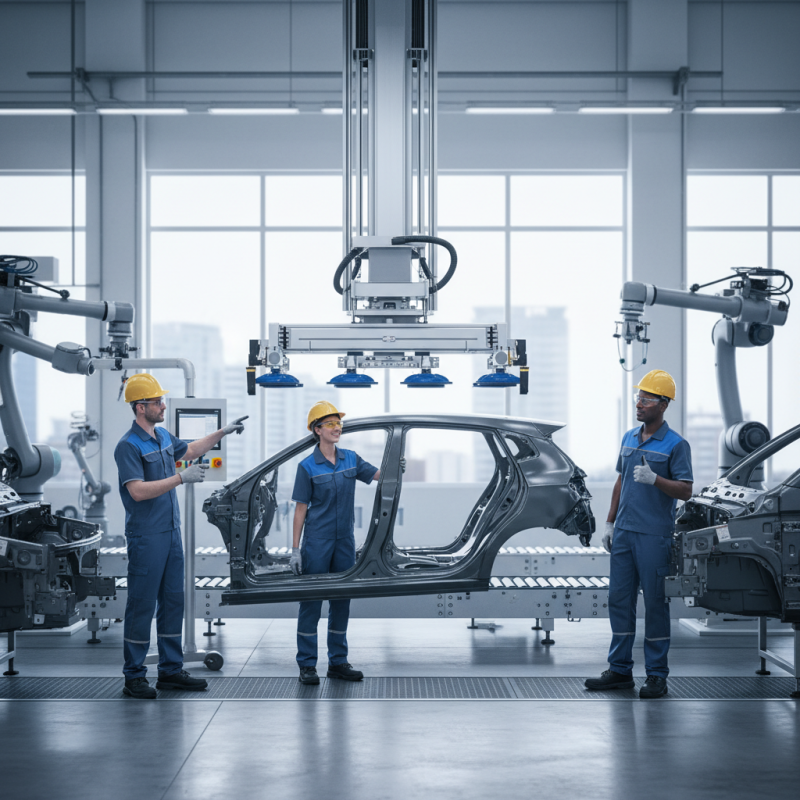
How to Seamlessly Integrate a Vacuum Lift in Your Assembly Line?

Understanding the Basics of Vacuum Lifts in Industry Applications

Vacuum lifts play a crucial role in modern assembly lines. These systems use suction to lift heavy objects, making it easier for workers to move components. The technology is simple yet effective, enabling efficiency and safety in operations. Industries benefit from reduced strain on employees and faster workflows.


Understanding how vacuum lifts function is essential. They operate by creating a vacuum that grips items securely. This mechanism allows for precise handling of delicate or heavy materials. Proper training is vital for operators to maximize the equipment's potential. Regular maintenance ensures reliability and reduces downtime.


Challenges may arise during integration. It is important to assess the specific needs of your assembly line. Each environment is unique and requires tailored solutions. Engaging with experts can help identify potential pitfalls and areas for improvement. Regular feedback from operators can also provide insights for ongoing enhancements.

Key Benefits of Integrating Vacuum Lifts in Assembly Lines

Integrating vacuum lifts in assembly lines presents several compelling advantages. According to a report by the Material Handling Industry of America, nearly 70% of manufacturers face challenges with ergonomic handling of materials. Vacuum lifts can alleviate these issues by significantly reducing physical strain on workers. By utilizing air pressure to lift heavy items, these systems allow for safer handling, ultimately enhancing worker productivity.

Vacuum lifts not only improve worker safety but also optimize production efficiency. A study by the Occupational Safety and Health Administration (OSHA) found that improved material handling can reduce workplace injuries by as much as 25%. This reduction leads to lower operational costs and a more stable workforce. However, careful implementation is necessary to ensure proper training and adaptation to this technology.

Despite these benefits, some organizations may resist the transition due to upfront costs and training requirements. Companies should weigh these initial investments against long-term savings from increased efficiency and reduced injury claims. A detailed analysis of production workflow can help identify potential compatibility issues, allowing for a more seamless integration of vacuum lifts into existing systems.

Step-by-Step Guide to Selecting the Right Vacuum Lift for Your Needs

Choosing the right vacuum lift for your assembly line requires careful consideration. Begin by assessing your specific lifting requirements. Think about the weight and shape of the items you’ll be handling. Will you need to lift boxes, pallets, or machinery? Understanding your unique needs is essential.

Next, evaluate the environment where the lift will operate. Is the area prone to dust or moisture? Some lifts are better suited for clean environments, while others excel in harsher conditions. Don’t overlook the power source as well. Electrical, pneumatic, or battery-operated lifts each have benefits.

Installation and maintenance are also crucial factors. Vacuum lifts should integrate smoothly with existing processes. Consider how often the lift will need servicing. A reliable partner in maintenance can extend lift longevity. Remember, no system is perfect. Regularly reassess your equipment's performance. This reflection will ensure you’re making informed adjustments for optimal efficiency.

Best Practices for Maintaining Efficiency in Vacuum Lift Systems

Maintaining efficiency in vacuum lift systems requires proper care and regular checks. Ensure that the vacuum seals are intact. Damaged seals can lead to a significant drop in performance. Inspect them frequently, as wear and tear are common in high-usage environments. A small crack can compromise the entire lift.

Regular maintenance schedules are crucial. This includes cleaning filters and checking pressure gauges. Neglecting these tasks can lead to inefficiencies. It’s common for operators to underestimate how dirt affects suction power. Don’t overlook the importance of training staff. They need to understand how to operate the system correctly to avoid errors that could lead to downtime.

Monitor the system’s performance. Gather data on lift times and effectiveness routinely. This practice can reveal patterns that indicate when parts might need replacement. It’s easy to think everything is running smoothly until a failure occurs. Documenting each maintenance task helps in identifying trends over time. Consider using checklists for each shift. Ensuring that maintenance is not just an afterthought is key to sustained efficiency and operational success.

How to Seamlessly Integrate a Vacuum Lift in Your Assembly Line? - Best Practices for Maintaining Efficiency in Vacuum Lift Systems
Parameter Value Unit
Maximum Load Capacity 150 kg
Lifting Speed 0.5 m/s
Power Consumption 1.5 kW
Operating Pressure 0.6 bar
Maintenance Interval 3 months
Average Lifespan 10 years
User Satisfaction Rating 4.7 / 5

Analyzing Cost-Effectiveness: ROI of Vacuum Lifts in Manufacturing Systems

Investing in vacuum lifts can significantly impact the efficiency of manufacturing systems. Understanding the cost-effectiveness of such systems is crucial. Companies frequently overlook the initial costs, focusing instead on long-term benefits. Vacuum lifts can improve workflow, reduce labor costs, and enhance safety. This results in a higher return on investment (ROI).

When analyzing ROI, consider various factors. Maintenance plays a central role. Regular upkeep can prevent costly breakdowns. Additionally, assess training expenses. Ensuring staff are well trained on equipment usage is vital. Evaluating these hidden costs is essential for a clearer financial picture. Some companies may find that they overestimated the immediate savings.

Data shows that integrating vacuum lifts often leads to increased production rates. However, not all systems yield the same results. It’s important to analyze specific workflows. Customizing lift systems to fit the assembly line can lead to better efficiency. Manufacturers should pilot test solutions, refining them based on real-time feedback. This reflective approach can highlight potential limitations and areas for improvement.

Cost-Effectiveness Analysis of Vacuum Lifts in Manufacturing Systems

This bar chart illustrates a cost-effectiveness analysis of integrating vacuum lifts in an assembly line. It compares the initial costs and maintenance against potential savings from labor and productivity improvements. The ROI indicates a promising investment.

FAQS

: What are the main benefits of using vacuum lifts in assembly lines?

: Vacuum lifts reduce physical strain on workers, improving safety and boosting productivity.

How can vacuum lifts impact worker safety?

They reduce workplace injuries by easing the handling of heavy materials, making tasks safer.

What should companies consider when transitioning to vacuum lifts?

Organizations need to evaluate upfront costs, training needs, and long-term efficiency gains.

How do specific lifting requirements affect vacuum lift selection?

Assess the weight and shape of items you’ll lift to choose the right lift type.

What environmental factors should I consider for vacuum lifts?

Consider dust, moisture, and the overall conditions where the lift will operate.

Why is installation important when selecting a vacuum lift?

A smooth integration with existing systems ensures efficient operation and reduces disruptions.

How often should I reassess the performance of my vacuum lift?

Regular assessments help identify issues and ensure the lift remains efficient over time.

Are there power source options for vacuum lifts?

Yes, options include electrical, pneumatic, and battery-operated systems, each with distinct benefits.

What role does maintenance play in vacuum lift longevity?

Consistent maintenance can extend the life of lifts and ensure reliable performance.

What is a potential challenge when integrating vacuum lifts?

Companies may face initial resistance due to upfront costs and necessary employee training.

Conclusion

The article "How to Seamlessly Integrate a Vacuum Lift in Your Assembly Line?" explores essential insights for manufacturing professionals looking to improve their operations. It begins by discussing the fundamentals of vacuum lifts and their industrial applications, highlighting the key benefits such as increased efficiency and reduced worker strain. A step-by-step guide is provided to help readers determine the right vacuum lift for their specific needs, ensuring a proper fit within their existing workflows.

Additionally, the article emphasizes best practices for maintaining the efficiency of vacuum lift systems and includes an analysis of the cost-effectiveness, demonstrating the return on investment (ROI) that can be achieved through integration. With these comprehensive insights, manufacturing stakeholders gain a clear understanding of how to integrate a vacuum lift into an existing assembly line, ultimately leading to improved productivity and operational excellence.

Oliver

Oliver

Oliver is a seasoned marketing professional with a wealth of expertise in driving brand awareness and engagement. With a deep understanding of our company's product offerings, he consistently delivers high-quality content that enriches our professional blog. His insights not only shed light on......