When considering industrial vacuum lifts, noise level standards play a crucial role in ensuring a safe work environment. "What are the noise level standards for industrial vacuum lifts?" is a question many in the industry ponder. John Smith, an expert in industrial safety, emphasizes, "Managing noise is essential for both compliance and worker well-being."
Noise levels significantly affect the workplace atmosphere. The Occupational Safety and Health Administration (OSHA) sets specific limits. Generally, industrial vacuum lifts should not exceed 85 decibels during operation. Exceeding this level can lead to hearing loss over time. Adhering to these standards is not merely regulatory; it's about fostering a healthier workplace.
Additionally, some manufacturers are pushing boundaries to innovate quieter models. This technological advancement is commendable, yet adherence to established standards remains imperative. Companies need continuous training to ensure all employees understand these noise levels. Ultimately, focusing on noise management benefits both workers and organizational productivity.
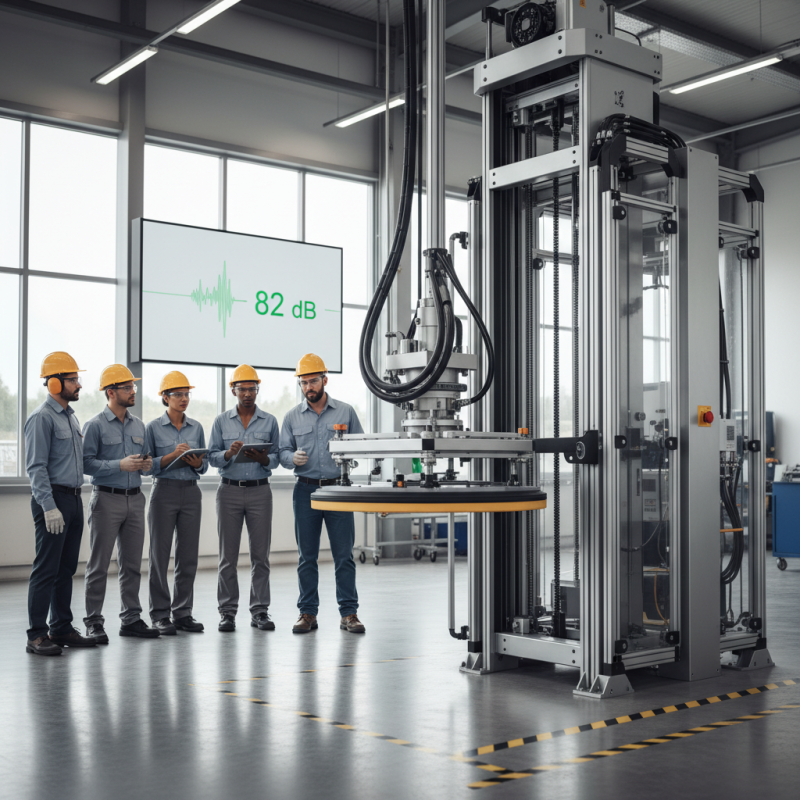
Understanding Noise Levels in Industrial Vacuum Lifts
When considering industrial vacuum lifts, understanding noise levels is crucial. These lifts, while efficient, can generate significant sound, leading to workplace discomfort. The acceptable noise level for industrial vacuum lifts typically ranges from 70 to 85 decibels. High noise levels can affect worker productivity and health. It’s essential to monitor these levels regularly.
Tips: Regular maintenance of the lift can reduce noise. Ensure all components are in good condition. Consider soundproofing measures in areas where noise levels are high.
Many factors contribute to the noise produced by industrial vacuum lifts. Design, machinery age, and load capacity all play a role. Older machines may emit more noise due to wear and tear. Upgrading to newer models might be necessary for some facilities.
Tips: Utilize sound level meters to track noise levels effectively. This data can guide necessary adjustments or investments in quieter technology. Listening to employee feedback on noise can also inform improvements.
Key Regulations Governing Vacuum Lift Noise Standards
When discussing industrial vacuum lift noise levels, adherence to regulations is crucial. Many regions have implemented specific standards to ensure that noise levels do not exceed acceptable limits. These regulations primarily address environmental concerns and worker safety.
One important aspect is the decibel level. Most regulations specify maximum decibel levels that vacuum lifts can emit. For instance, many jurisdictions set the limit around 85 dB when in operation. Exceeding this can lead to complaints and potential penalties. Employers must monitor compliance regularly to avoid any enforcement actions.
Technological advancements have led to quieter designs, yet some older models still operate noisily. Upgrading to newer models could improve workplace conditions. However, it’s essential to assess not only the noise levels but also overall effectiveness and efficiency. Striking a balance between performance and noise reduction remains a challenge for many businesses. Proper training for staff regarding operation can also play a significant role in minimizing noise emissions.
Impact of Noise Pollution on Workplace Health and Safety
Noise pollution in workplaces is a growing concern. Studies indicate that excessive noise can lead to various health issues. According to the World Health Organization, over 1 billion people are exposed to harmful noise levels at work. This exposure can contribute to stress, hearing loss, and decreased productivity.
The National Institute for Occupational Safety and Health emphasizes the need for noise level standards in industrial settings. They suggest that continuous exposure to noise levels above 85 decibels can significantly impair employees' health. Long-term exposure can lead to cardiovascular problems and increased anxiety. It’s alarming that many workplaces do not prioritize these standards, creating environments that jeopardize worker well-being.
Moreover, noise affects communication and can lead to misunderstandings among employees. Studies reveal that high noise levels can reduce focus by up to 25%. Essential tasks suffer as workers become distracted. Reflecting on this, employers need to review their noise management strategies to ensure a safer working environment. Effective measures such as soundproofing and quieter machinery can mitigate these impacts. The balance between efficiency and safety must be a priority for thriving workplaces.
Industrial Vacuum Lift Noise Level Standards You Should Know? - Impact of Noise Pollution on Workplace Health and Safety
| Standard |
Decibel Level (dB) |
Impact on Health |
Recommended Action |
| OSHA General Industry Standard |
90 dB |
Hearing damage after prolonged exposure |
Hearing protection required |
| NIOSH Recommended Exposure Level |
85 dB |
Possible hearing loss |
Implement noise control measures |
| Environmental Noise Regulations |
60-70 dB |
Stress and fatigue |
Reduce noise at the source |
| HSE Noise Regulations |
80 dB |
Hearing impairment |
Noise assessments and controls needed |
Comparative Analysis of Noise Levels in Various Vacuum Lift Models
When evaluating vacuum lift systems, noise levels remain a critical aspect. Recent studies indicate that most industrial vacuum lifts produce decibel levels ranging from
60 dB to 80 dB. This range is comparable to typical office chatter or heavy traffic noise. Understanding these levels helps businesses maintain compliance with occupational safety standards.
Comparative analyses conducted across several vacuum lift models reveal notable differences. For example, some models were found to emit noise levels as low as
62 dB, while others peaked at 85 dB. The variance can stem from design, motor technology, and materials used. Elevated noise levels can potentially impact employee productivity and overall workplace safety. Models that incorporate noise-dampening technology often indicate lower noise outputs.
Moreover, inconsistent data on noise production raises concerns about reliability. During testing, certain models exhibited spikes in noise under load conditions. Such findings underscore the need for more comprehensive testing standards. Organizations may need to consider not only the average noise levels but also how their performance fluctuates in real-world applications. This data enhances the decision-making process for selecting the suitable vacuum lift for specific environments.
Best Practices for Mitigating Noise in Industrial Vacuum Environments
In industrial settings, noise from vacuum lifts can create uncomfortable environments. Understanding best practices for noise mitigation is crucial for worker safety and productivity. Effective noise control requires a multi-faceted approach to reduce sound levels effectively.
Tips: Regular maintenance of vacuum systems can prevent excessive noise. Check components for wear and tear. A well-maintained system runs more quietly.
Acoustic curtains or sound barriers can significantly reduce ambient noise. Installing these materials around vacuum areas can create a quieter workspace. Additionally, consider using vibration-dampening mounts. They help to minimize the noise generated by mechanical vibrations.
Training staff on noise awareness is also important. Encourage employees to report any unusual sounds that may indicate problems. A proactive approach fosters a culture of safety and reliability. Recognizing noise issues early can prevent larger problems down the line.
Industrial Vacuum Lift Noise Level Standards
Conclusion
The article "Industrial Vacuum Lift Noise Level Standards You Should Know" provides a comprehensive overview of the noise levels associated with industrial vacuum lifts and the standards that regulate them. Key regulations are examined to determine what are the noise level standards for industrial vacuum lifts, emphasizing the importance of compliance for workplace safety. The impact of noise pollution on employee health is explored, highlighting the potential hazards posed by excessive noise exposure.
Furthermore, the article offers a comparative analysis of noise levels across various vacuum lift models, illustrating the differences in performance and compliance. Best practices for mitigating noise in industrial environments are also discussed, aiming to create safer and more efficient workplaces. This information serves as a vital resource for industries looking to understand and manage noise levels effectively in their operations.

 Bendo Lift