Vacuum lifts are innovative lifting systems that rely on air pressure. Their design makes them a popular choice for various applications. However, they face unique challenges in high humidity environments. When moisture levels rise, the functionality of these systems can be compromised.
So, how does a vacuum lift work in high humidity environments? Understanding this requires a closer look at the mechanics involved. High humidity can lead to condensation. This might affect the seals and vacuum integrity. The presence of water droplets can also impact the airflow needed for the vacuum function. Consequently, operators must ensure that the vacuum system is designed to handle such conditions.
Experts suggest that regular maintenance is crucial in humid areas. This includes checking seals and ensuring air quality in the system. Despite their robust design, vacuum lifts are not infallible. Operators must remain vigilant about environmental conditions. Awareness of these factors can help in prolonging the vacuum lift's lifespan. The challenge is to adapt these systems for optimal performance in varying humidity levels.
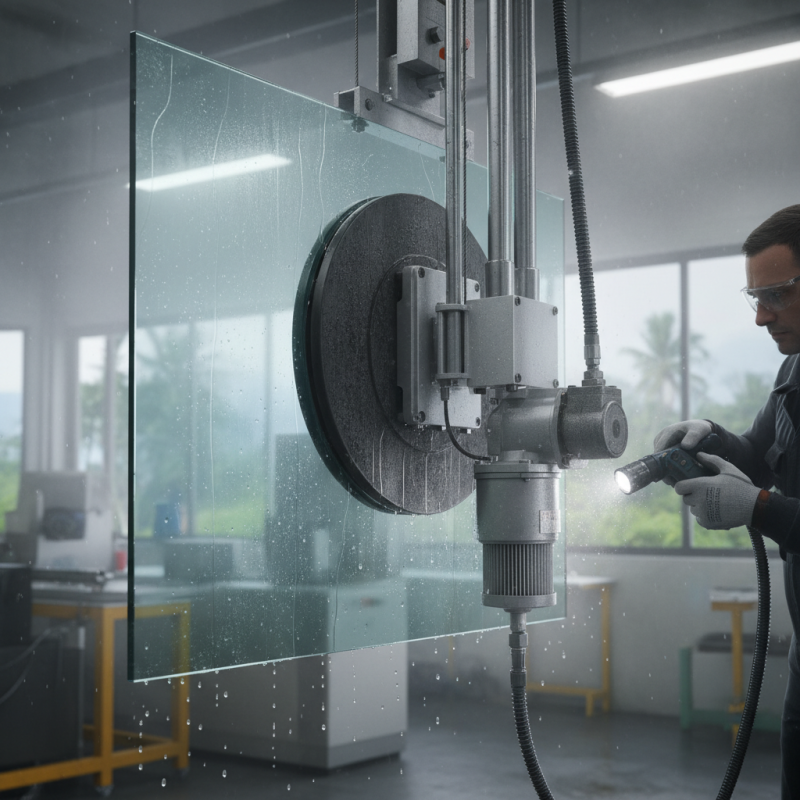
Vacuum lifts are uniquely designed to operate in various environments, including high humidity conditions. These systems rely on air pressure differences to function. In humid environments, moisture can impact the efficiency of the lift mechanism. For instance, condensation may form on internal components, potentially leading to malfunctions. Frequent maintenance becomes essential to ensure optimal performance.
Understanding how humidity affects vacuum lifts is crucial. The moisture in the air can cause wear on seals and other critical parts. This deterioration can lead to air leaks, diminishing the lift's efficiency. Furthermore, operators must regularly inspect for corrosion. Ignoring these factors could result in unexpected downtime, significantly affecting operational reliability.
Using vacuum lifts in high humidity areas requires careful consideration. Proper design, such as the use of moisture-resistant materials, can mitigate some risks. Nonetheless, operators must remain vigilant. Regular checks and preventive maintenance are crucial for longevity. Each lift's performance may vary, emphasizing the need for tailored solutions based on specific environmental conditions.
This chart shows the performance metrics of vacuum lifts in different humidity conditions. The data represents the lifting efficiency (in percentage) versus various humidity levels (in percentage).
Humidity can significantly affect the functionality of vacuum lifts. High humidity levels introduce moisture into the system, impacting components like seals and motor efficiency. These components are essential for maintaining optimal vacuum pressure. If they are not designed to withstand humidity, they may degrade faster.
To mitigate these effects, regular maintenance is crucial. Inspect seals for wear and tear often. Moisture can cause seals to weaken, leading to vacuum loss. It may seem minor, but it’s a significant issue for performance. Ensuring that the lift is clean and well-lubricated also helps in preventing corrosion.
Gaskets and valves need attention too. At high humidity, they can absorb moisture, which may lead to malfunctioning. This often goes unnoticed until problems arise. A good practice is to use moisture-resistant materials in high-humidity environments. This choice can prolong the life of your lift. Regularly check for leaks, as they can worsen under humid conditions.
In humid climates, installation location matters. Ensure the lift isn’t exposed to direct moisture sources. Implementing humidity control systems can further help in maintaining optimal working conditions. These simple measures can greatly enhance lift reliability.
Vacuum lifts are sensitive to humidity. High humidity can cause significant challenges in their operation. Moisture can affect the seals, leading to potential leaks. Such issues degrade performance efficiency. Therefore, robust maintenance practices are crucial for ensuring safe operation.
Regular inspections should be a priority. Check the seals and vacuum mechanisms frequently. According to industry reports, maintaining these parts reduces the likelihood of failure by 30%. This proactive approach helps identify issues before they escalate. Consider adding a dehumidifier to the environment. This can lower humidity levels, prolonging lift lifespan.
Tip: Schedule seasonal maintenance checks. This helps to catch minor problems before humidity peaks.
Another critical aspect is to monitor environmental conditions. If high humidity is a constant factor, adapt maintenance schedules accordingly. Cleaning the lift's components is essential. Moisture can lead to corrosion and rust if left unchecked. The risk of malfunction increases in humid settings.
Tip: Use moisture-resistant lubricants on moving parts. This simple adjustment can extend the life of vacuum systems. Investing in these maintenance practices can save costs long-term and improve safety.
Vacuum lifts operate by creating a pressure differential. This allows them to ascend and descend with minimal energy. In high humidity, these lifts may face unique challenges. The moisture in the air can affect the seals and mechanisms. Proper maintenance becomes essential to ensure their reliable operation.
Comparing vacuum lifts and traditional elevators in humid conditions reveals distinct differences. Traditional elevators rely on cables and pulleys. They are often more robust against humidity. However, they consume more energy and require more space. Vacuum lifts, on the other hand, have a smaller footprint. Yet, their sensitivity to humidity can lead to unexpected downtimes. Users might experience delays if the humidity affects the vacuum seals.
While vacuum lifts offer sleek designs and energy efficiency, challenges persist. There is a need for regular checks to prevent moisture-related issues. Decision-makers in architecture should consider these factors when selecting a lifting system. Both types have their pros and cons. Understanding these nuances helps in making informed choices.
| Feature | Vacuum Lifts | Traditional Elevators |
|---|---|---|
| Functionality in Humidity | Function well; minimal impact | Risk of corrosion, reduced efficiency |
| Maintenance Requirements | Lower, fewer parts vulnerable to humidity | Higher, frequent inspections needed |
| Installation Time | Shorter installation time | Longer installation process |
| Energy Efficiency | More energy efficient in humid conditions | Standard efficiency; moisture impacts performance |
| Safety Features | Built-in fail-safes to handle humidity | Standard safety measures; humidity can affect operation |
Vacuum lifts are an innovative solution for vertical transportation, but operating them in high humidity presents unique challenges. Humidity can affect the suction mechanisms that ensure safe lift operation. According to industry reports, moisture can lead to a decrease in air pressure and, consequently, suction power.
Safety is paramount in vacuum lift systems. A study by the Association for Elevator Engineers indicates that more than 30% of accidents linked to vacuum lifts occur in environments with high humidity. Regular inspections become essential in such conditions. These assessments help detect potential malfunctions caused by moisture ingress. Users should also prioritize maintaining appropriate humidity levels where lifts are installed.
While many vacuum lift designs incorporate waterproof materials, vulnerabilities remain. High humidity can produce condensation in key components, affecting their performance. Monitoring systems can be an aid in preventing issues. However, perfect solutions may not exist. A comprehensive understanding of these factors is critical for safety and reliability. Enhancing building practices and educating maintenance staff can lead to better outcomes for users.
: High humidity can cause moisture buildup, leading to condensation on internal components and potential malfunctions.
Regular inspections of seals and mechanisms are crucial. Consider adding dehumidifiers and using moisture-resistant lubricants.
Regular checks prevent major failures. They help identify issues early, decreasing the risk of unexpected downtime.
Yes, high humidity can reduce suction power. It's vital to maintain appropriate humidity levels to ensure safe operation.
Look for air leaks, corrosion, or rust on seals and components. These indicate that maintenance is necessary.
Schedule seasonal checks to identify minor issues before humidity peaks. Regular checks adapt to changing environmental conditions.
Yes, using moisture-resistant materials and lubricants can mitigate humidity effects, enhancing overall lift longevity.
Absolutely. Changes in humidity can impact lift performance. Regular monitoring ensures adjustments are made timely.
Moisture can lead to corrosion, decreased suction power, and malfunctioning components, affecting overall efficiency.
While many incorporate waterproof materials, vulnerabilities still exist. Understanding these limitations is key for safety.
Vacuum lifts operate by utilizing air pressure differences to move the lift car, and understanding "How does a vacuum lift work in high humidity environments?" is crucial for ensuring their reliability. High humidity can affect the mechanical and electronic components of vacuum lifts, leading to potential malfunctions. Essential maintenance practices, such as regular inspection of seals and control systems, are necessary to mitigate the effects of moisture, ensuring that the vacuum seal remains intact and functional.
In comparison to traditional elevators, vacuum lifts offer unique advantages in humid conditions, such as less susceptibility to water damage and a simpler design that requires fewer moving parts. However, safety considerations must also be prioritized, as high humidity can potentially impact the operational efficiency of these lifts. By adhering to proper maintenance protocols and understanding the impact of humidity on lift functionality, users can ensure safe and effective operation in various environments.

Bendo Lift