How to Ensure Fail Safe Power Protection During Outages?

Time:2026-06-28 Author:Mason
0%

Power outages can disrupt daily life and pose significant risks to safety and operations. As people rely more on technology, the need for reliable power protection becomes critical. How to ensure fail-safe protection during a power outage? This question is crucial for households and businesses alike.

Having the right equipment is essential. Backup generators, uninterruptible power supplies (UPS), and surge protectors play key roles. Not all systems are equally reliable, and choosing the right one requires careful consideration. Regular maintenance is vital. Many people overlook this aspect until a failure occurs.

Moreover, creating a clear plan is crucial for emergencies. Awareness of your local power infrastructure can help. In some areas, outages are frequent, while others experience them rarely. This knowledge can guide your preparations. Reflecting on your current setup may reveal gaps. Evaluating past outages can provide valuable insights for future planning.
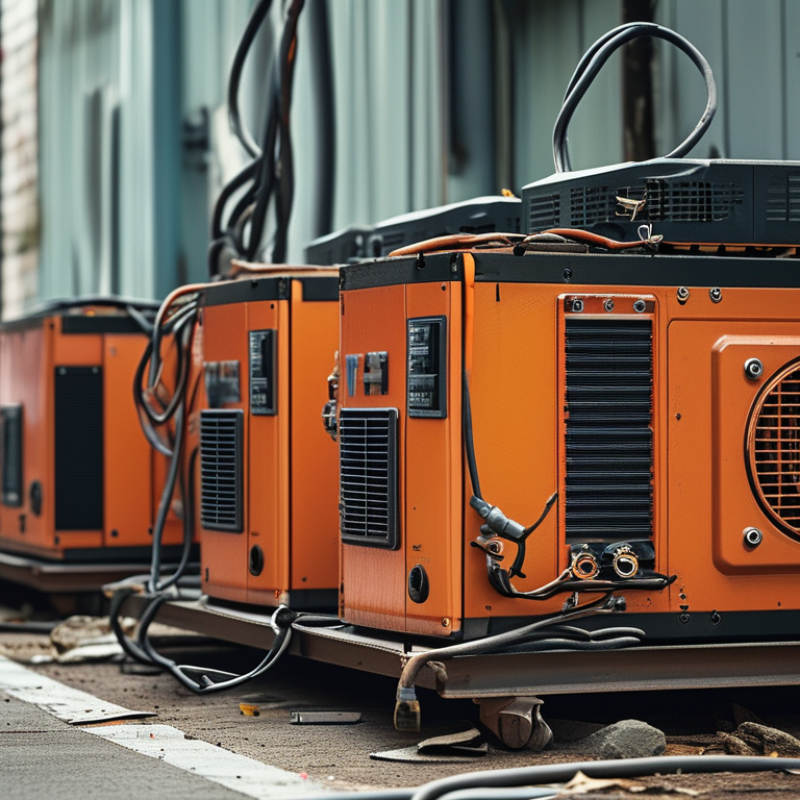
How to Ensure Fail Safe Power Protection During Outages?

How Power Outages Affect Businesses: Analyzing the Risks and Costs

Power outages can have a significant impact on businesses. Studies show that 70% of companies experience outages annually. The losses can range from $5,000 to $50,000 per incident. This widely affects small and large businesses alike. When the power goes out, operational disruptions occur, leading to lost productivity and revenue.

Data from the Institute for Business & Home Safety underscores the role of outages in operational risk. Businesses may face equipment damage, data loss, and compromised safety. Many firms lack a robust backup strategy, which increases vulnerability. Establishing fail-safe power protection can mitigate these risks. Some businesses invest in generators, while others explore battery backups. Nonetheless, the choice must align with specific operational needs.

Moreover, the hidden costs of outages are often overlooked. Employee morale can suffer during prolonged outages. Disruptions may lead to customer dissatisfaction, damaging brand loyalty. Companies should evaluate these risks regularly. Proactive assessments lead to better contingency plans and equipment investments. The ongoing awareness of outage impacts can shape a resilient strategy. Without thoughtful preparation, businesses risk more than just financial loss; they risk their reputation.

Understanding Different Types of Power Protection Systems and Their Uses

Power protection systems are crucial for maintaining uninterrupted operations during outages. Various types exist, each with unique functions. For instance, uninterruptible power supplies (UPS) provide immediate backup power. According to a report by the International Energy Agency, UPS systems can reduce downtime significantly by offering seamless transitions during power failures.

Another critical type is the surge protector, which guards sensitive equipment against voltage spikes. Data from the National Electrical Manufacturers Association indicates that 60% of electrical damage arises from surges. These devices are essential in environments where electrical components require stable power conditions.

When considering power protection, the landscape is not without its challenges. Many organizations do not conduct regular assessments of their systems. A report from the Institute of Electrical and Electronics Engineers found that only 30% of companies test their backup solutions annually. This oversight can lead to unpreparedness during outages, compromising safety and operational efficiency. Adapting to changing power needs and technologies is necessary, but often neglected.

Power Protection Systems and Their Effectiveness

This chart illustrates the effectiveness ratings of various power protection systems during outages. The higher the rating, the better the system's ability to protect against power interruptions and fluctuations. A complete understanding of these systems is crucial for ensuring fail-safe power protection.

Evaluating the Effectiveness of UPS and Backup Generators for Outages

During power outages, ensuring fail-safe protection is crucial. Evaluating the effectiveness of Uninterruptible Power Supplies (UPS) and backup generators becomes essential. According to a report by the Electric Power Research Institute (EPRI), power outages cost U.S. businesses over $150 billion annually. This highlights the need for reliable backup systems.

UPS systems offer immediate power during outages. They provide energy storage through batteries and protect sensitive electronics. A study cited by the International Electrotechnical Commission found that 80% of outages are short-lived, lasting less than five minutes. In these cases, a UPS is often sufficient. However, they have limitations. Their battery life can be short, and they may not support heavy loads for extended periods.

In contrast, backup generators are ideal for longer outages. They can run for hours or even days, providing continuous power. Data suggests that around 25% of businesses have installed backup generators. While these systems are robust, maintenance is vital. Regular check-ups ensure they function properly when needed.

Tips:

  1. Regularly test your UPS and generators. This will identify issues before a real outage occurs.
  2. Keep an eye on fuel levels for generators. Running out during an outage negates their effectiveness.
  3. Consider the load your UPS can handle. Overloading it can lead to failures during critical moments.

Best Practices for Implementing a Fail Safe Power Protection Strategy

Power outages can have disastrous effects on both businesses and households. Implementing a fail-safe power protection strategy can help mitigate these risks effectively. Recent reports indicate that over 90% of companies experience outages, leading to significant financial losses. Around 30% of those companies report losing up to $1 million per hour due to downtime without proper power protection.


To minimize these risks, investing in backup power solutions is crucial. Uninterruptible power supplies (UPS) are a solid choice. They provide immediate power during an outage, ensuring critical operations continue. According to a 2022 study, companies using UPS systems saw a 40% reduction in downtime during outages. Regular maintenance of these systems is vital. Neglected equipment can fail at the worst moment, causing unexpected gaps in protection.


Another critical aspect is staff training. Employees need to understand emergency protocols. Inadequate training can lead to confusion and delays during an outage. Data shows that organizations with comprehensive training reduce downtime by roughly 25%. Engaging staff in drills can prepare them for real scenarios. It's important to regularly reevaluate your strategy. Conditions change, and what worked last year might not suffice today.

Case Studies: Businesses That Successfully Mitigated Power Outage Risks

Power outages can devastate businesses, disrupting operations and impacting revenue. Numerous companies have tackled this challenge effectively. Consider a hospital that implemented an uninterruptible power supply (UPS) system. They faced outages frequently, affecting patient care. By investing in robust backups, they ensured life-saving equipment remained operational. This move drastically reduced downtime and built staff confidence during emergencies.

Another example is a data center that faced frequent outages. To combat this, they installed redundant systems and diversified their energy sources. They experienced an outage during testing but learned valuable lessons about their vulnerabilities. Post-incident, they enhanced their infrastructure and staff training. This effort assured clients of data integrity and reliability.

These case studies highlight the importance of preparedness. Companies must evaluate their unique risks and implement tailored solutions. Learning from past incidents can drive improvements. Vulnerabilities exist, but proactive measures can significantly mitigate the impact. Businesses should adopt a continuous improvement mindset to ensure fail-safe power protection during outages.

FAQS

: What are power protection systems?

: Power protection systems maintain operations during outages. They include backup power solutions like uninterruptible power supplies (UPS).

How do uninterruptible power supplies (UPS) work?

UPS provides immediate backup power during outages. This ensures critical operations continue without interruptions.

What is the role of surge protectors?

Surge protectors guard sensitive equipment from voltage spikes. They are crucial in environments needing stable power.

Why do many organizations fail to test their backup systems?

Many organizations neglect regular assessments. A study shows only 30% test backup solutions annually, leading to unpreparedness.

What training do employees need during power outages?

Employees should know emergency protocols. Inadequate training can cause confusion and lead to longer downtimes.

How can companies reduce downtime during outages?

Regular maintenance of power protection systems is essential. Neglected equipment may fail when needed the most.

What can businesses learn from power outage incidents?

Businesses should analyze past outages to improve strategies. Learning from vulnerabilities can drive better preparedness.

How significant can financial losses be during outages?

Reports indicate some companies lose up to $1 million per hour during outages without proper protection.

Why is regular reevaluation of power strategies important?

Conditions change over time. Solutions that worked last year may not suffice today; constant improvement is necessary.

How did a hospital benefit from implementing a UPS system?

The hospital reduced downtime and improved patient care during outages. This move built staff confidence in emergencies.

Conclusion

In today's business landscape, power outages pose significant risks that can lead to substantial financial losses and operational disruptions. Understanding these impacts is crucial for organizations looking to develop robust strategies. The article explores various types of power protection systems, such as Uninterruptible Power Supply (UPS) units and backup generators, and evaluates their effectiveness in ensuring continuous operations.

To address the question, "How to ensure fail-safe protection during a power outage?", businesses are encouraged to implement best practices in their power protection strategies, encompassing regular maintenance, employee training, and creating contingency plans. Additionally, the article presents case studies illustrating how different organizations have successfully mitigated the risks associated with power outages, reinforcing the importance of preparedness in safeguarding their operations and achieving long-term sustainability.

Mason

Mason

Mason is a seasoned marketing professional with a deep expertise in the company's offerings and a passion for driving brand awareness. With a strong background in digital marketing strategies, he has an innate ability to connect with diverse audiences and effectively communicate product benefits.......