When it comes to safely handling heavy stone slabs, mastering the use of a vacuum lift is essential. According to industry reports, improper lifting techniques can lead to accidents, with over 65% of injuries in stone handling caused by equipment misuse. Understanding "How to use a vacuum lift for heavy stone slabs?" can significantly improve safety and efficiency in the workplace.
Expert John Smith, a well-known consultant in stone fabrication, states, "Proper use of a vacuum lift can reduce manual lifting strains by over 70%." This highlights the importance of proper training and technique. Many workers overlook simple practices, such as checking suction before lifting, which can be detrimental. The vacuum lifter’s capabilities should not be taken for granted; a lack of knowledge can lead to both equipment damage and potential injury.
The construction and stone industry are evolving, and technology plays a crucial role. Adopting effective lifting methods impacts overall productivity. However, implementing training programs remains a challenge for many companies. Striving for continuous improvement in safety measures should be a priority. A focus on understanding the intricacies of using a vacuum lift can pave the way for a safer and more efficient working environment.
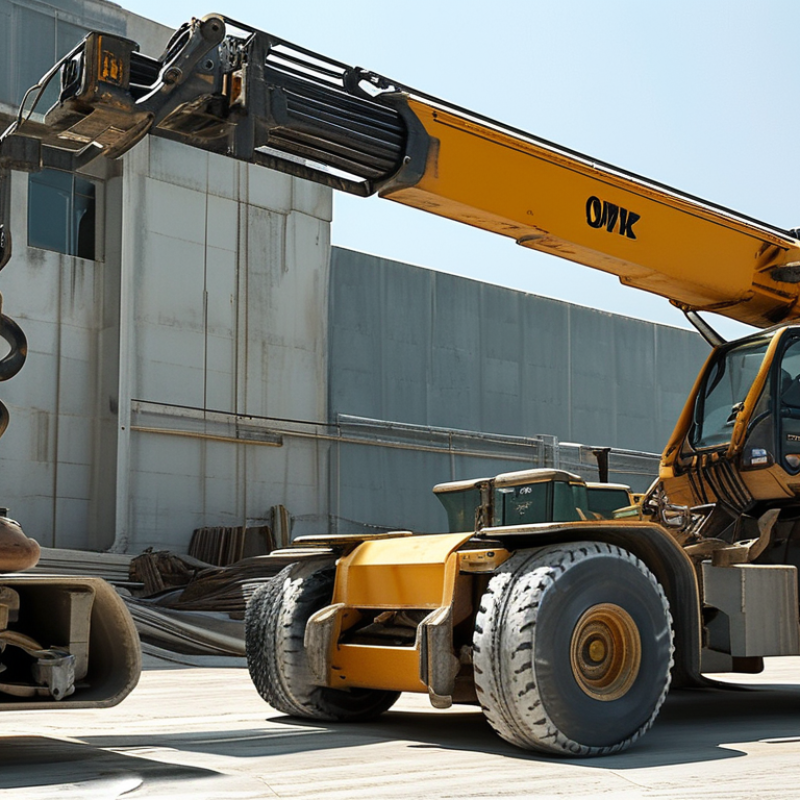
Vacuum lifts simplify the handling of heavy stone slabs, making them safer and more efficient. These devices utilize suction to securely grip the stone, allowing for easy transport. Understanding the basic mechanics behind vacuum lifts is crucial. They rely on maintaining a consistent vacuum seal to avoid accidental drops. Regularly check seals for wear and ensure there are no leaks.
Operator training is essential. Familiarize yourself with the lifting capacity of your vacuum lift. Misjudging this can lead to accidents. Setting up a proper workspace is equally important. Ensure there is enough space for maneuvering slabs. Poorly organized environments increase the chances of mishaps.
Keep the surfaces clean; dirt can weaken the vacuum grip. Regular maintenance checks can prevent unexpected failures. Some challenges may arise, especially in uneven surfaces where stability is an issue. Operators must be vigilant and adaptable. Vacuum lifts enhance efficiency but require responsible usage to ensure safety and success in handling heavy stone slabs.
| Tip Number | Tip | Description |
|---|---|---|
| 1 | Check the Weight | Always ensure the vacuum lift can support the weight of the stone slab. |
| 2 | Inspect the Seal | Verify that the seal is intact and free from damage to ensure proper suction. |
| 3 | Keep the Surface Clean | Ensure that the surface of the stone slab is clean and dry before lifting. |
| 4 | Test the Vacuum | Conduct a test lift to ensure the vacuum lift is functioning correctly. |
| 5 | Use Multiple Lifters | For larger slabs, consider using multiple vacuum lifters to distribute weight. |
| 6 | Follow Manufacturer Instructions | Always adhere to the instructions provided by the manufacturer for safe usage. |
| 7 | Train Your Team | Ensure your team is properly trained on the use of vacuum lifts. |
| 8 | Use Safe Lifting Techniques | Always use proper lifting techniques to avoid injuries. |
| 9 | Avoid Overloading | Never overload the vacuum lift beyond its rated capacity. |
| 10 | Regular Maintenance | Perform regular maintenance checks to ensure safe operation. |
: Different stone types have unique textures, weights, and porosities. A specific lift is crucial for effective handling.
Granite is dense and needs a strong vacuum lift. Softer stones like marble require a gentler lifting approach.
Determine if the surface is polished or rough. Polished surfaces may need specialized lifts for better results.
Using inappropriate equipment can cause damages to both the stone and the vacuum lift. It's risky and costly.
Check seal integrity before each lift. Damaged seals may compromise safety and cause accidents during operations.
Regular checks prevent issues. Neglected parts can lead to 30% of problems in lifting operations.
Clean the vacuum pads after each use to remove dust. Contamination can decrease grip strength and pose risks.
A dry and clean storage environment helps maintain the lift's integrity. Avoid exposure to moisture and dirt.
Training staff on maintenance can prevent misuse. Many accidents stem from improper handling of equipment.
Regular workshops on lifting techniques enhance understanding and promote a safer operational environment.
When considering how to use a vacuum lift for heavy stone slabs, it's essential to start with a clear understanding of the basic principles behind vacuum lifts. These devices are designed to safely lift and transport heavy stone materials, but selecting the right vacuum lift based on the specific type of stone is crucial. Proper setup and installation not only enhance efficiency but also ensure optimal safety during operation.
Effective handling and transportation techniques are vital to minimize the risk of accidents and damage to both the slabs and surrounding environments. Regular maintenance practices can significantly prolong the lifespan of the vacuum lifts, ensuring they remain in reliable working condition for future projects. By following these tips, you can maximize the benefits of vacuum lifts and ensure safe, efficient handling of heavy stone slabs.

 Bendo Lift