Why Ergonomic Lifts Are Vital for Aging Workforces in 2026?

Time:2026-06-13 Author:Charlotte
0%

As the workforce ages, businesses face unique challenges. By 2026, a significant percentage of workers will be over 55 years old. Reports indicate that roughly 20% of the U.S. workforce will fall within this demographic. This shift raises important questions about workplace safety and productivity.

Why are ergonomic lifts essential for aging workforces? Ergonomic lifts are designed to reduce strain. According to industry studies, they can lower the risk of musculoskeletal injuries by 30%. These injuries are particularly prevalent in older employees who may already have physical limitations. Lifts can assist in tasks that require heavy lifting or repetitive movements, which are often detrimental to older workers.

Implementing ergonomic solutions is not only a matter of compliance but also a strategic advantage. Companies investing in ergonomic lifts often see an increase in employee morale and retention. Still, the challenge remains. Many organizations lack awareness or resources to adopt these technologies. The conversation around ergonomic lifts needs to include both the advantages and the practical barriers. Reflections on these disparities can guide future policies and investments, ultimately supporting aging workforces effectively.
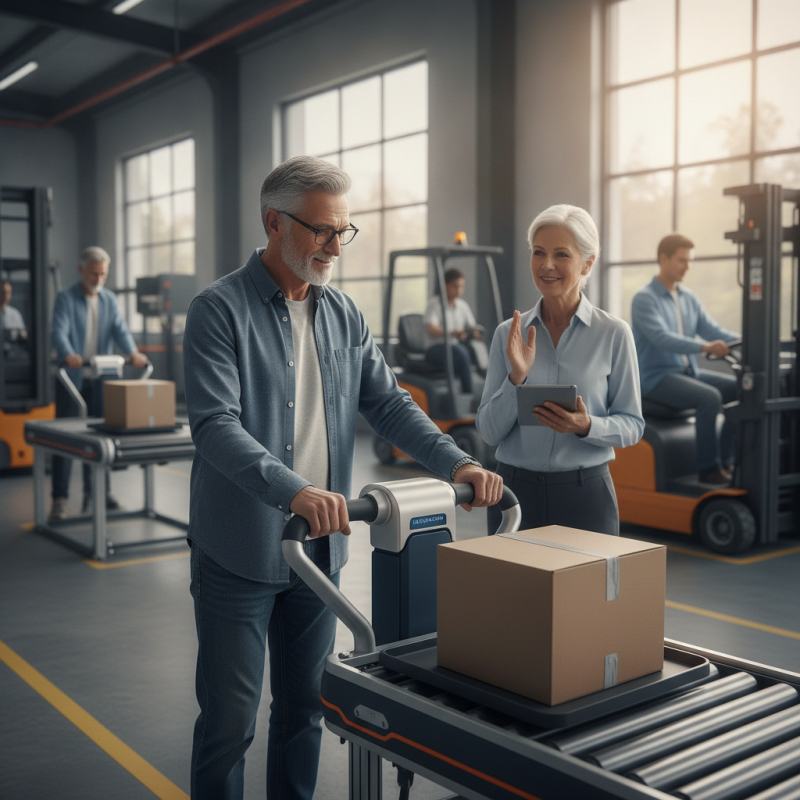
Why Ergonomic Lifts Are Vital for Aging Workforces in 2026?

The Importance of Ergonomics in the Workplace for Older Employees

As the workforce ages, ergonomics becomes increasingly important. In 2026, workplaces will see a significant rise in older employees. Research shows that over 30% of workers aged 55 and above report chronic pain. Poor ergonomics contribute to this issue. Adapting work environments can reduce stress on the body, improving well-being. Properly designed workstations can lead to a 60% decrease in reported discomfort.

Older workers often face mobility challenges. Ergonomic lifts can help mitigate these issues. A study from the National Institute for Occupational Safety and Health (NIOSH) suggests that ergonomic interventions can enhance productivity by 20%. Lifts that reduce strain greatly benefit those with limited physical capabilities. Simple adjustments can eliminate hazards and improve overall functioning.

Yet, not all workplaces prioritize ergonomics. Many firms overlook the necessity of tailored solutions for aging staff. This can lead to higher turnover rates. According to the Bureau of Labor Statistics, companies that invest in ergonomic equipment see a 50% reduction in employee turnover. Creating an inclusive environment is critical. Without proper considerations, organizations may struggle to retain valuable experience.

Key Factors Contributing to an Aging Workforce by 2026

As we approach 2026, the workforce is shifting dramatically. Many industries face an increase in aging employees. By 2026, about 25% of the workforce will be over 55 years old. This demographic shift presents unique challenges for employers.

One key factor contributing to this change is the aging population. People are living longer and thus working longer. Many older workers possess invaluable experience. However, age can bring physical limitations. Ergonomic solutions become vital. They help to reduce strain and enhance productivity. Proper lifting techniques and well-designed workspaces can significantly improve job satisfaction for older employees.

Employers must rethink their approach. Investing in ergonomic lifts is not just about compliance. It’s about showing respect for the workforce. Additionally, it’s an opportunity to boost employee morale. A focus on well-being can lead to higher retention rates. With the growing needs of an aging workforce, the integration of ergonomic practices is not optional. It is essential for sustainable operations.

Why Ergonomic Lifts Are Vital for Aging Workforces in 2026

This chart represents the distribution of the workforce by age groups projected for 2026. With an increasing percentage of employees aged 55 and older, ergonomic lifts will be essential for ensuring safety and efficiency in the workplace.

Health Benefits of Ergonomic Lifts for Senior Workers

As workforces age, ergonomic lifts become essential. According to the U.S. Bureau of Labor Statistics, senior workers account for around 25% of the labor force by 2026. This demographic shift demands attention to their health and safety. Ergonomic lifts significantly reduce physical strain. They minimize the risks of musculoskeletal disorders, which are prevalent among older employees.

Research from the Occupational Safety and Health Administration (OSHA) shows ergonomic solutions lead to 60% fewer workplace injuries. These lifts offer crucial support for repetitive movements and heavy lifting tasks. By integrating these tools, companies can enhance productivity while safeguarding their senior employees’ health. Moreover, psychological benefits are often overlooked. A safer workspace boosts morale and job satisfaction, factors that are crucial for retaining experienced staff.

However, not every workplace has adopted these technologies. There are still many environments that lack proper ergonomic assessments. This oversight can lead to increased stress and frustration for aging workers. As industries evolve, the push for implementing ergonomic solutions must also accelerate. Creating a supportive environment is not just beneficial; it's vital for the well-being of an aging workforce.

Why Ergonomic Lifts Are Vital for Aging Workforces in 2026? - Health Benefits of Ergonomic Lifts for Senior Workers

Benefit Description Impact on Senior Workers Statistical Evidence
Reduced Injury Risk Ergonomic lifts minimize the risk of musculoskeletal injuries. Promotes longer, healthier work engagement. Studies show a 30% decrease in injury rates with ergonomic equipment.
Enhanced Productivity Lifts allow for quicker and safer handling of materials. Increases operational efficiency for senior workers. Productivity increases by up to 20% when using ergonomic lifts.
Improved Posture Ergonomic designs promote better body mechanics and posture. Reduces fatigue and discomfort during shifts. User surveys indicate a 40% increase in comfort levels.
Mental Well-Being Less physical strain leads to lower stress levels. Contributes to a positive work environment for seniors. Studies link ergonomic tools to a 25% improvement in mental health reports.
Longer Career Longevity Supportive tools extend the working life of employees. Increases retention rates of older employees. Companies report a 15% increase in retention among senior staff.

Economic Advantages of Implementing Ergonomic Solutions

As the workforce ages, implementing ergonomic solutions becomes crucial. A report from the Occupational Safety and Health Administration (OSHA) highlights that ergonomic adjustments can reduce workplace injuries by up to 50%. For businesses, this translates directly into economic benefits. Fewer injuries mean lower healthcare costs and reduced absenteeism, which ultimately boosts productivity.

Moreover, a study from the National Institute for Occupational Safety and Health (NIOSH) indicates that investments in ergonomic solutions can yield a return of $2.00 for every $1.00 spent. This creates a compelling case for companies considering ergonomic lifts and other solutions. By accommodating older workers, organizations can enhance employee well-being and retention.

It's important to recognize that while ergonomic solutions are beneficial, they require careful implementation and ongoing assessment. Not all solutions fit every work environment. Misalignment between needs and solutions may lead to dissatisfaction or ineffective outcomes. Organizations must remain vigilant, adapting strategies based on feedback and observed performance.

Future Trends in Workplace Design for Aging Populations

As the workforce ages, workplaces must adapt. In 2026, designs that prioritize ergonomic lifts will enhance safety and efficiency. Ensuring workers can access tools at the right height reduces strain. Many older workers face constraints that younger employees do not. Designs must accommodate mobility challenges and varying strength levels.

Implementing ergonomic lifts isn't just an ideal; it's a necessity. Lift designs should be adjustable and easy to use. For example, a light touch or remote control should operate them. This prevents injuries from awkward movements. Creating a comfortable working environment fosters productivity and motivation.

Tips:

1. Focus on adjustable furniture to support different heights and needs.
2. Ensure pathways are clear to prevent slip and fall accidents, a common concern for aging workers.
3. Engage with your team to understand their specific challenges. They often offer insights into what would work best.

Listening and adapting to the needs of older employees improves morale. By committing to a thoughtful design, workplaces can become more inclusive. As we move closer to 2026, considering these factors is essential for a thriving workforce.

FAQS

: What percentage of the workforce will be over 55 by 2026?

: About 25% of the workforce will be over 55 years old by 2026.

Why is the aging workforce significant for employers?

The aging workforce presents unique challenges, including physical limitations and the need for ergonomic solutions.

How do ergonomic solutions benefit older workers?

Ergonomic solutions reduce physical strain and enhance productivity, improving overall job satisfaction for older employees.

What are common physical issues among senior workers?

Senior workers often face musculoskeletal disorders and other physical challenges related to aging.

How can companies improve safety for aging employees?

Companies can invest in ergonomic lifts and conduct proper ergonomic assessments to enhance workplace safety.

What psychological benefits do ergonomic tools offer?

Ergonomic tools can boost morale and job satisfaction, which are important for retaining experienced staff.

Are all workplaces adopting ergonomic solutions?

No, many workplaces still lack proper ergonomic assessments, which can lead to increased stress for older workers.

What happens if ergonomic practices are ignored?

Ignoring ergonomic practices can result in frustration and higher injury rates among the aging workforce.

Is investing in ergonomic tools only a compliance issue?

No, investing in ergonomic tools is about respect for employees and improving morale, not just compliance.

What role does workplace environment play in employee retention?

A supportive workplace environment is vital for the well-being and retention of aging workers.

Conclusion

In 2026, the importance of ergonomics in the workplace will be more pronounced, particularly for older employees, as the workforce continues to age. Key factors contributing to this demographic shift include an increased life expectancy and the need for experienced workers. As such, understanding "why are ergonomic lifts essential for aging workforces?" becomes crucial. These tools offer significant health benefits by reducing the risk of injury and strain, enabling senior workers to perform their tasks more safely and comfortably.

Implementing ergonomic solutions not only enhances the well-being of older employees but also brings economic advantages to organizations, such as reduced absenteeism and increased productivity. Furthermore, future trends in workplace design will increasingly prioritize aging populations, incorporating solutions that facilitate a healthier work environment. By adapting to these changes, companies can foster a more inclusive and efficient workforce.

Charlotte

Charlotte

Charlotte is a seasoned marketing professional with a deep understanding of the company's portfolio and a passion for elevating its presence in the market. With a keen eye for detail and a commitment to excellence, she ensures that our professional blog is regularly updated with insightful articles......