Understanding maintenance costs is critical in managing industrial vacuum lifts. "What are the maintenance costs of industrial vacuum lifts?" is a question that many operators face. Recent studies show that maintenance expenses account for nearly 15% of the total ownership cost of such equipment. Effective maintenance can enhance efficiency but can also lead to unexpected expenses if not tracked properly.
Data from industry reports indicate that proactive maintenance schedules can reduce downtime by up to 30%. However, there's a challenge. Not all facilities engage in consistent maintenance practices. This inconsistency can lead to increased breakdowns. It creates a ripple effect on production. Operators often overlook this aspect, yet it can significantly impact overall cost-efficiency.
Furthermore, the assessment of maintenance costs must consider parts replacement and labor expenses. Experts recommend budgeting approximately 10% of the initial purchase price annually for maintenance. Without careful planning, businesses may face financial strain. In an evolving market, it’s essential to critically evaluate and refine maintenance strategies. This approach not only preserves equipment longevity but also optimizes operational productivity.
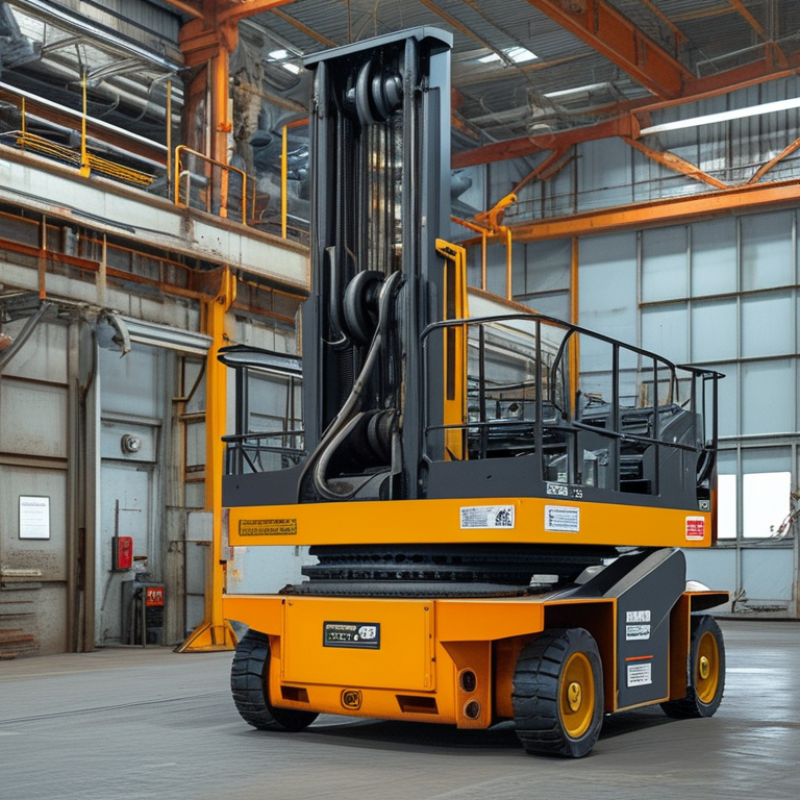
When calculating maintenance costs for industrial vacuum lifts, several factors come into play. The environment in which the lift operates significantly impacts wear and tear. For instance, a dusty or humid setting can increase the frequency of maintenance checks. According to industry reports, lifts in harsher environments may require maintenance up to 30% more often than those in controlled spaces. Neglecting these conditions can lead to costly downtime.
Another crucial factor is the complexity of the lift's design. More sophisticated systems, while offering better performance, often come with higher maintenance expenses. A study by the Industrial Equipment Association suggests that advanced vacuum lifts can incur additional costs of 15-25% annually compared to simpler models. Maintenance skills also matter; technicians trained on specific systems can reduce costs through effective troubleshooting. Utilizing skilled labor is vital for minimizing long-term repairs.
Lastly, the availability of spare parts plays a crucial role. Delayed repairs due to hard-to-find components can lead to extended downtime. Companies should consider the long-term availability of these parts when making purchasing decisions. Some reports highlight that businesses with pre-established relationships with suppliers enjoy reduced costs and faster service. These insights underline the importance of strategic planning in managing maintenance costs effectively.
Estimating routine maintenance expenses for industrial vacuum lifts is crucial for effective budgeting. Industry experts suggest that maintenance costs can range from 5% to 10% of the initial purchase price annually. This figure relies on factors such as equipment usage and operational environment. For instance, a vacuum lift used in a heavy-duty setting may incur higher costs due to increased wear and tear.
Regular inspections and preventive maintenance can help in identifying potential issues early, reducing unexpected repairs. A typical inspection might cost around $200 to $400, depending on the complexity of the system. Neglecting routine maintenance may lead to costs that significantly exceed these estimates. For example, a malfunctioning lift could result in production downtime, which is estimated to cost businesses up to $5,000 per hour.
Another important factor is the availability of spare parts. Some reports indicate that 30% of maintenance costs can stem from parts replacement. Maintaining an inventory of commonly used parts can mitigate delays and potentially lower overall expenses. However, managing this inventory itself requires careful consideration and may lead to extra costs if not optimized. Balancing proactive maintenance with cost efficiency remains a challenge for many facilities.
When assessing the maintenance costs for industrial vacuum lifts, understanding the repair and replacement costs for critical components is vital. Each part, from electrical systems to mechanical fixtures, has its unique wear and tear patterns. Component lifetimes vary, influenced by usage and environment. For example, hydraulic seals may require replacement every few years, while motors might last longer, depending on load and application.
Repair costs can arise frequently. Components like sensors and control systems can fail unexpectedly. A malfunctioning sensor can significantly affect operation efficiency. Regular inspections are crucial, but even with proactive measures, some repairs will remain unforeseen. Companies might overlook minor issues, leading to larger, costlier problems.
Replacement costs can escalate for major components. If a motor fails, it might require additional resources for installation. These unexpected costs disrupt budgeting. Maintenance budgets often do not account for these sudden expenses. Companies should prepare for possible spikes in repair needs. Continuous monitoring and a detailed log of maintenance activities can help forecast these expenses better.
When determining maintenance costs for industrial vacuum lifts, usage plays a pivotal role. Frequency of operation directly impacts wear and tear. Often, high usage leads to shorter lifespans for critical components. This translates to more frequent replacements and higher costs. Regular assessments of operating time can help predict maintenance needs. A lift used daily will require more attention than one used occasionally.
Different environments also affect maintenance expenses. High dust or debris levels demand more cleaning and servicing. If lifts are used in harsh conditions, the strain on machinery is greater. This can lead to unexpected breakdowns and costly repairs. Monitoring these variables is essential for accurate cost estimation. Companies should keep records of each lift's performance and maintenance history. These logs will reveal trends and potential issues.
Budgeting for maintenance involves anticipating these costs. Underestimating can lead to financial strain. It’s wise to allocate a portion of the budget specifically for unexpected repairs. Businesses must remain proactive in their approach. Investing in regular preventive maintenance can ultimately save money. However, reliance on routine checks alone may not always catch deeper issues. Regular training for operators can enhance equipment longevity.
Reducing maintenance costs for industrial vacuum lifts requires a strategic approach. One effective method is to schedule regular inspections. Research from the Vacuum Systems Association shows that routine maintenance can lower unexpected breakdowns by up to 30%. These inspections should focus on common wear areas, such as seals and lift components.
Training staff to identify potential issues early can also minimize costs. Workers who are knowledgeable about proper operation can drastically reduce wear and tear. Statistics indicate that improper use leads to 20% of maintenance expenses in vacuum systems. Implementing a simple training program can lead to long-term savings.
Moreover, investing in high-quality parts may seem costly upfront. However, a study from the Machinery Maintenance Association suggests that durable components can last 50% longer. This means less frequent replacements and fewer service calls. Finding a balance between cost and quality becomes crucial. Regular review of maintenance records helps pinpoint areas needing attention, ultimately guiding proactive decisions.
: Maintenance costs vary with the operating environment, lift design complexity, and availability of spare parts.
Dusty or humid settings can increase maintenance needs by up to 30% compared to controlled environments.
More sophisticated lifts typically incur 15-25% higher annual maintenance costs than simpler models.
Skilled technicians can effectively troubleshoot issues, minimizing long-term repair costs and preventing expensive downtime.
Hard-to-find parts can delay repairs, leading to extended downtime and increased costs.
Firms should allocate funds for unexpected repairs and monitor maintenance logs to forecast costs accurately.
More frequent operation leads to increased wear and tear, requiring more regular maintenance and replacements.
Regular inspections can help identify minor issues, preventing them from escalating into costly repairs later on.
Neglecting small problems can result in larger, more expensive issues down the line, disrupting budgets.
Investing in regular upkeep can reduce the likelihood of costly breakdowns and extend equipment longevity.
Determining maintenance costs for industrial vacuum lifts is essential for effective budgeting and operation. Key factors influencing these costs include the frequency of use, the type of materials handled, and environmental conditions, all of which can significantly impact routine maintenance and repair expenses. Understanding the average costs associated with routine upkeep and the potential need for repairing or replacing lift components is crucial for companies.
When assessing the question, "What are the maintenance costs of industrial vacuum lifts?", it is important to consider both the regular maintenance expenses and the unexpected repair costs that may arise. Additionally, evaluating usage patterns can provide insights into how maintenance demands may fluctuate over time. By implementing strategic practices and tips for reducing overall maintenance costs, businesses can enhance the longevity and efficiency of their industrial vacuum lifts, ultimately leading to cost savings.
Bendo Lift