Daily inspections for vacuum lifts are crucial to ensure safety and operational efficiency. According to industry expert Dr. Emily Harris, “Regular checks can prevent costly repairs and enhance lifespan efficiency.” Therefore, understanding "What are the daily inspection steps for a vacuum lift?" is essential for operators and technicians alike.
One critical step involves visually inspecting the vacuum seals and hoses. Any visible wear could lead to performance issues, risking safety. Additionally, verifying the lift's electrical components is vital. A malfunction here can lead to significant operational hazards. Moreover, operators should check the control panel for alerts or warnings. It’s a small but important detail that can indicate underlying problems.
However, some operators might overlook these fundamental steps. They may feel rushed or underestimate their importance. This oversight can lead to accidents or equipment failures. The bottom line is that a genuine commitment to daily checks can make a significant difference. Investing time in these practices not only maintains safety but also promotes a culture of accountability and vigilance in the workplace.
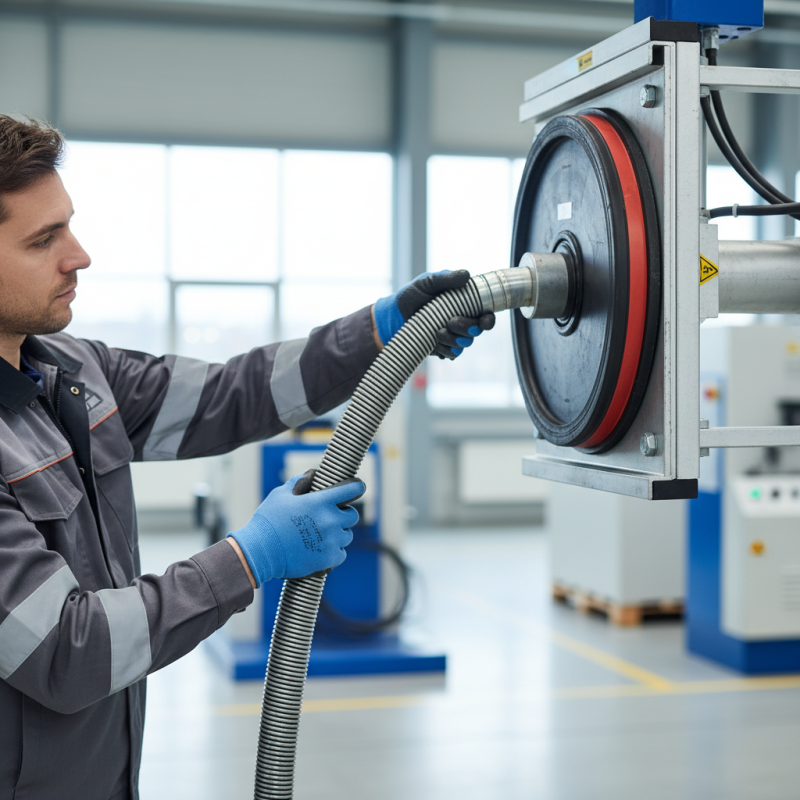
Daily inspections for vacuum lifts play a crucial role in ensuring safety and efficiency. Regular checks help identify issues early, minimizing the risk of accidents. A slight malfunction can escalate if overlooked. Inspecting the suction pads for wear and tear is essential. Cracks or dirt can compromise their grip. We need to maintain these components to avoid potential hazards.
Another key factor is the electrical system. Inspecting cords and connections ensures proper functionality. A frayed wire can lead to severe outcomes. Operators should also check the control panel for any error messages. This proactive approach builds a culture of safety. Each inspection provides an opportunity for staff to enhance their skills. It fosters reliability in daily operations.
However, it's easy to overlook inspections amid busy schedules. Rushing through checks may lead to missing vital details. Regular training can remind staff of the importance of thorough inspections. Creating a checklist can help maintain consistency. This practice should become a routine part of the workday, emphasizing commitment to safety.
Daily inspections for vacuum lifts are crucial. Regular checks allow for early detection of common issues. These issues can lead to costly downtime. According to industry data, nearly 30% of maintenance costs are due to unexpected equipment failures. Performing daily inspections can significantly reduce this risk.
Common problems found during inspections include vacuum leaks. These leaks can impact lift efficiency and safety. They might go unnoticed without routine checks. In a survey, 45% of operators reported encountering electrical failures in their lifts. Identifying these failures early can prevent accidents and enhance durability.
Another issue is wear and tear on components. Daily inspections can reveal these problems. Operators often miss subtle signs, leading to larger issues later. A proactive inspection approach can extend the lifespan of vacuum lifts. Involving maintenance personnel in this process ensures a thorough evaluation. Regular maintenance, supported by data, can improve operational reliability.
| Issue Type | Description | Frequency of Detection | Recommended Action |
|---|---|---|---|
| Loose Seals | Seals around vacuum lift may become loose, affecting performance. | Frequent (Monthly) | Tighten or replace seals as necessary. |
| Electrical Issues | Faulty wiring or connections can lead to malfunctions. | Occasional (Quarterly) | Inspect and repair electrical connections. |
| Fluid Leaks | Leakage of hydraulic fluids can compromise lift operation. | Common (Weekly) | Identify source of leak and replace seals or fluid lines. |
| Blockage | Obstructions in the lift pathway can hinder operation. | Frequent (Bi-weekly) | Clear any identified blockages. |
| Wear and Tear | Components may show signs of wear, affecting lift reliability. | Regular (Monthly) | Replace worn components as needed. |
Daily inspections for vacuum lifts are crucial for maintaining safety and efficiency. According to the International Organization for Standardization (ISO), regular checks can reduce operational failures by up to 30%. Conducting an effective daily inspection involves several key steps. Start by visually assessing the lift for any physical damage or wear. Look for signs of leaks or abnormal wear on seals and hoses. These issues can indicate the need for immediate attention.
Next, check the operational components. Test the lift's controls and ensure that emergency systems are functional. The American National Standards Institute (ANSI) recommends a focus on electrical connections, as loose wiring can lead to significant hazards. Don't overlook the importance of keeping an inspection log. This document not only tracks maintenance but also identifies recurring issues that require further analysis. Regularly reviewing these logs can highlight patterns and operational inefficiencies that need to be addressed.
Lastly, gather feedback from operators. They often notice slight changes in performance or unusual sounds that may not be evident during inspections. Engaging those who work directly with the equipment provides insight into potential problems. By following these steps, facilities can enhance the reliability of vacuum lifts and foster a culture of safety. Ensuring thorough daily inspections may be challenging, but they are indispensable for efficient operations.
Regular evaluations of vacuum lifts are essential for maintaining safety in various industries. According to the Occupational Safety and Health Administration (OSHA), nearly 90 workplace accidents occur due to equipment failure each year. Daily inspections can help identify potential issues before they lead to serious incidents. For instance, worn-out seals or faulty vacuum pumps can compromise the lift's efficiency and safety.
Proper documentation of these inspections enhances accountability and traceability. A study by the National Institute for Occupational Safety and Health (NIOSH) noted that organizations with routine checks reduce incident rates by up to 40%. This statistic highlights the importance of recognizing early signs of wear and tear. Monitoring the performance of vacuum lifts ensures they operate within safe parameters.
However, conducting inspections is not without its challenges. Operators may overlook minor discrepancies, thinking they aren’t significant. Such oversights can lead to repercussions. Maintaining an inspection schedule requires diligence and proper training. Educating staff about the identification of potential hazards is crucial for fostering a safety-first culture. Regular inspections are not just a formality; they are a vital investment in workplace safety.
Regular inspections of vacuum lifts are essential for maintaining safety standards. The chart illustrates the monthly inspections conducted by different categories such as pre-use checks, non-destructive testing, routine maintenance, safety training, and user feedback, demonstrating the importance of consistent evaluation in ensuring safety and reliability.
Daily inspections of vacuum lifts are essential for ensuring safety and compliance with industry standards. Regular checks help identify potential issues before they escalate. By adhering to safety protocols, operators create a safer working environment. This proactive approach safeguards employees and the equipment itself.
Tips: Always use a checklist for inspections. This ensures that nothing is overlooked. Mark areas that need attention for follow-up. Establish a routine for inspections to build consistency.
It's important to note that even minor oversights can lead to severe consequences. For example, a slight misalignment could cause the lift to malfunction. Regular inspections help to catch these discrepancies early, ensuring the lift operates efficiently. Implementing feedback from operators can enhance the inspection process further. This step acknowledges that front-line workers often have valuable insights about the equipment's performance.
Tips: Document inspections thoroughly. This creates a record for compliance audits. Engage employees in discussions about their experiences, fostering a culture of safety and accountability.
: Daily inspections ensure safety and efficiency. They help identify issues early, minimizing the risk of accidents.
Inspect suction pads for cracks and dirt. Check electrical cords and connections for fraying.
Each inspection is an opportunity to enhance skills. Active participation fosters reliability in operations.
Rushing may cause vital details to be missed. This can lead to severe consequences and equipment malfunctions.
A checklist ensures nothing is overlooked. Mark areas needing attention for follow-up and maintain consistency.
Regular training reminds staff of the importance of thorough inspections. It emphasizes commitment to safety practices.
Documentation creates a record for compliance audits. It also helps track issues over time for better accountability.
Engaging with operators provides valuable insights. Their experiences can enhance the effectiveness of the inspection process.
Small details, like misalignment, can escalate and cause malfunctions. Early detection is key to preventing issues.
Engage employees in safety discussions. This creates accountability and encourages a team approach to maintenance.
Daily inspections for vacuum lifts are crucial to ensure their safe and efficient operation. These inspections help identify common issues such as wear and tear, seal integrity, and pressure inconsistencies, which can prevent potential accidents or equipment failures. By performing regular evaluations, operators can enhance safety, ensure compliance with industry standards, and prolong the lifespan of the equipment.
To effectively conduct daily inspections, a routine should be established. What are the daily inspection steps for a vacuum lift? These steps typically include checking the lift's vacuum levels, inspecting seals and hoses for damage, examining controls for functionality, and ensuring all safety mechanisms are operational. By adhering to these steps, operators can maintain optimal performance and mitigate risks associated with vacuum lift operations.

Bendo Lift