How to Choose Between a Pneumatic Lift and Electric Lift?

Time:2026-06-16 Author:Sienna
0%

When considering how to choose between a pneumatic lift and an electric lift, insights from industry expert John Carter can guide your decision. He asserts, “The right lift can enhance productivity and safety.” This statement emphasizes the importance of understanding the specific needs of your workspace.

Pneumatic lifts rely on compressed air, while electric lifts use motors for operation. Each type offers unique advantages. For instance, pneumatic lifts are often lighter and can be more versatile in certain environments. On the other hand, electric lifts typically provide greater lifting capacity and speed.

Ultimately, it is essential to assess your specific requirements. Factors such as weight capacity, space constraints, and ease of use will dictate your choice. Ultimately, the question remains: how to choose between a pneumatic lift and an electric lift? Reflecting on the strengths and weaknesses of both options will lead to a more informed decision.
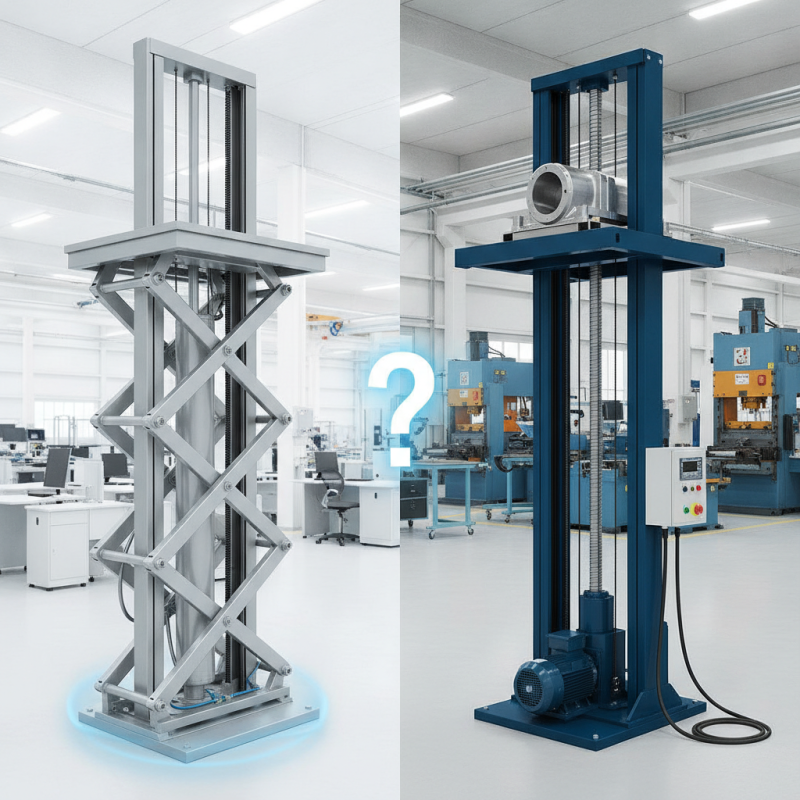
How to Choose Between a Pneumatic Lift and Electric Lift?

Understanding the Basics: What Are Pneumatic and Electric Lifts?

When deciding between pneumatic lifts and electric lifts, it's crucial to understand their fundamental differences. Pneumatic lifts operate using compressed air. They are often quieter and have a simpler design. These lifts can be beneficial in environments where noise control is essential. However, they also require a steady supply of air, which can complicate their use in remote locations.

On the other hand, electric lifts rely on electric motors to operate. They typically offer faster lifting speeds and more precise control. Electric lifts can be more versatile in terms of applications. However, they do require electrical infrastructure, which might limit their use in certain settings. Each type has its pros and cons.

Evaluating your specific needs is vital. Consider the space available and the lift’s intended use. You may find that one option suits your situation better than the other. Testing both types in real scenarios might reveal issues not initially considered.

Key Factors to Consider When Choosing a Lift Type

When selecting between a pneumatic lift and an electric lift, several key factors come into play. Both systems offer distinct advantages. Pneumatic lifts are known for their simplicity. They use air pressure, making them quieter and often easier to maintain. On the other hand, electric lifts typically provide more power and efficiency. They can handle heavier loads, making them suitable for various industries.

Consider your space requirements. Pneumatic lifts usually require less ceiling height, beneficial in tighter environments. Electric lifts may need more clearance. Safety is another critical aspect. Pneumatic systems often have fewer components that can fail, potentially reducing risks. However, electric lifts have advanced safety features. They frequently include automatic braking systems, enhancing reliability.

Cost is a significant concern as well. Pneumatic lifts often have lower installation expenses. However, electric lifts can result in lower operational costs over time. Think about your long-term needs. What works today may not fit in the future. Evaluating the specific applications and conditions where the lift will operate is essential. Understanding the operational environment can greatly influence your choice.

Comparison of Pneumatic Lifts and Electric Lifts

Advantages and Disadvantages of Pneumatic Lifts

Pneumatic lifts are popular due to their unique advantages. They use air pressure to operate, making them quieter than electric lifts. This can be beneficial in environments where noise reduction is important. Additionally, pneumatic lifts often require less maintenance since they have fewer moving parts. Their simplicity can also enhance reliability.

However, pneumatic lifts have some drawbacks. They can be less efficient in heavy-duty applications. The air pressure system may not support as much weight compared to electric models. Furthermore, pneumatic lifts can be vulnerable to air leaks. This issue might lead to unexpected shutdowns, causing potential delays in operations.

Choosing between pneumatic and electric lifts involves weighing these pros and cons. The right decision depends on specific needs and operational contexts. While pneumatic lifts offer quiet and low-maintenance advantages, their limitations in weight capacity and reliability must be carefully considered. Understanding these aspects will help in making an informed choice.

How to Choose Between a Pneumatic Lift and Electric Lift? - Advantages and Disadvantages of Pneumatic Lifts

Criteria Pneumatic Lift Electric Lift
Power Source Compressed Air Electricity
Installation Cost Generally Lower Generally Higher
Maintenance Requirement Moderate Low
Speed of Lifting Fast Moderate
Weight Capacity Varies (Generally Lower) Higher Capacity Options
Noise Level Usually Noisy Quieter Operation
Environmental Impact Depends on Air Source Electricity Source Dependent

Advantages and Disadvantages of Electric Lifts

Electric lifts have gained popularity for various applications, from warehouses to residential buildings. A significant advantage is their energy efficiency. According to a 2022 industry report, electric lifts consume about 30% less energy compared to pneumatic ones. This is increasingly important as organizations focus on sustainability. Lower operational costs over time can also be appealing, given that electric lifts typically have fewer maintenance needs.

On the downside, electric lifts may be less suitable for locations with frequent power outages. This dependency can lead to downtime, which affects productivity. Furthermore, installation costs can be higher due to the need for electrical infrastructure. It’s essential to consider these factors when evaluating electric lifts for specific projects.

Safety is another critical aspect. Electric lifts feature advanced braking systems and often come equipped with smart sensors. However, they can be susceptible to electrical failures. This risk could lead to significant safety concerns in a busy environment. Industry data suggests that while electric lifts are generally reliable, they can face unforeseen malfunctions. Thus, a thorough risk assessment is crucial.

Application Scenarios: When to Use Each Lift Type

Choosing between pneumatic lifts and electric lifts involves understanding their specific applications. Pneumatic lifts are ideal for environments that require cleanliness and minimal maintenance. They operate quietly and are suitable for food handling, pharmaceuticals, and clean rooms. These lifts use compressed air, making them powerful yet efficient for lifting heavy loads.

On the other hand, electric lifts excel in scenarios demanding speed and control. They are commonly used in warehouses and manufacturing facilities where efficiency is paramount. Electric lifts provide precise movements and can handle large volumes of cargo. However, they may require more maintenance compared to their pneumatic counterparts.

When selecting a lift type, consider the environment and operational needs. Pneumatic lifts may offer a quieter operation, while electric lifts can provide faster service. Each lift type has its pros and cons, and careful evaluation is essential. Explore real-world settings where these lifts are deployed to understand their effectiveness better. Each choice reflects a balance between functionality and the specific demands of the application.

FAQS

: What are the main advantages of pneumatic lifts?

: Pneumatic lifts operate using air pressure, making them quieter. They require less maintenance due to fewer moving parts.

What are the disadvantages of pneumatic lifts?

Pneumatic lifts may have lower weight capacity and can be vulnerable to air leaks, causing unexpected shutdowns.

How do electric lifts compare in energy efficiency?

Electric lifts are generally more energy-efficient, consuming about 30% less energy than pneumatic lifts.

What are the installation challenges with electric lifts?

Electric lifts may have higher installation costs due to the need for electrical infrastructure. Consider this in planning.

What safety features do electric lifts include?

Electric lifts often have advanced braking systems and smart sensors, enhancing safety during operation.

Are electric lifts affected by power issues?

Yes, electric lifts depend on power, leading to potential downtime during outages, which impacts productivity.

How can one choose between pneumatic and electric lifts?

Weigh the specific advantages and disadvantages based on operational needs and the environment.

Can pneumatic lifts cause operational delays?

Yes, air leaks in pneumatic lifts can lead to unexpected shutdowns, resulting in possible workflow delays.

What maintenance considerations should be made for electric lifts?

Electric lifts generally need less maintenance, but electrical failures can occur, so regular checks are necessary.

What factors should be considered for project lift selection?

Evaluate weight capacities, noise levels, power availability, and safety needs before making a final decision.

Conclusion

When considering "How to choose between a pneumatic lift and an electric lift?", it's essential to understand the fundamental differences between the two types. Pneumatic lifts operate using compressed air, making them suitable for environments requiring clean operations such as medical or food industries. Electric lifts, on the other hand, rely on electrical power and are often favored for their ease of use and lower maintenance costs.

Key factors to consider include the specific application scenarios, operational costs, and space availability. Pneumatic lifts typically have advantages in weight handling and safety, while electric lifts offer speed and versatility. By assessing the advantages and disadvantages of each system, users can make informed decisions based on their unique requirements, ensuring they select the most effective lift for their needs.

Sienna

Sienna

Sienna is a skilled marketing professional with a deep expertise in our company’s core products and services. With a passion for innovation and detail, she plays a pivotal role in crafting insightful blog posts that not only highlight the unique features of our offerings but also provide valuable......