China Top 10 Vacuum Lift Makers How to Fix Emergency Stops?

Time:2026-10-23 Author:Henry
0%

China’s top 10 vacuum lift makers increasingly emphasize emergency-stop reliability, not only lifting capacity. A vacuum lifter may stop suddenly beside a glass panel, steel sheet, or stone slab. The operator must understand what happened before touching the load.

How to troubleshoot an emergency stop on a vacuum lift? Start by keeping people away from the suspended material. Confirm that the load is stable and supported. Pressing the emergency-stop button may remove control power, but it may not eliminate stored vacuum energy. Do not bypass the button or repeatedly reset it. Check whether the stop button remains mechanically locked, then inspect the pendant, cable, battery, fuse, and control indicator. A weak battery can look like a control failure. A blocked filter can create a vacuum alarm instead.

Dr. Kurt Schmalz, a recognized vacuum-handling specialist, has emphasized, “Safety depends on reliable systems and trained operators, not on suction alone.” That principle deserves attention. After releasing the emergency stop, restore power only when the area is clear. Check the vacuum gauge, warning alarm, sealing pad, hoses, and pump sound. If pressure does not return to the specified working range, keep the lift grounded and contact qualified service personnel. Do not improvise with tape, wire, or temporary plugs. Record the alarm, load type, weather, battery condition, and visible damage. These details help technicians identify recurring faults. The uncomfortable truth is that many emergency-stop incidents begin with hurried resets and incomplete inspections. A careful pause often prevents a dropped load.
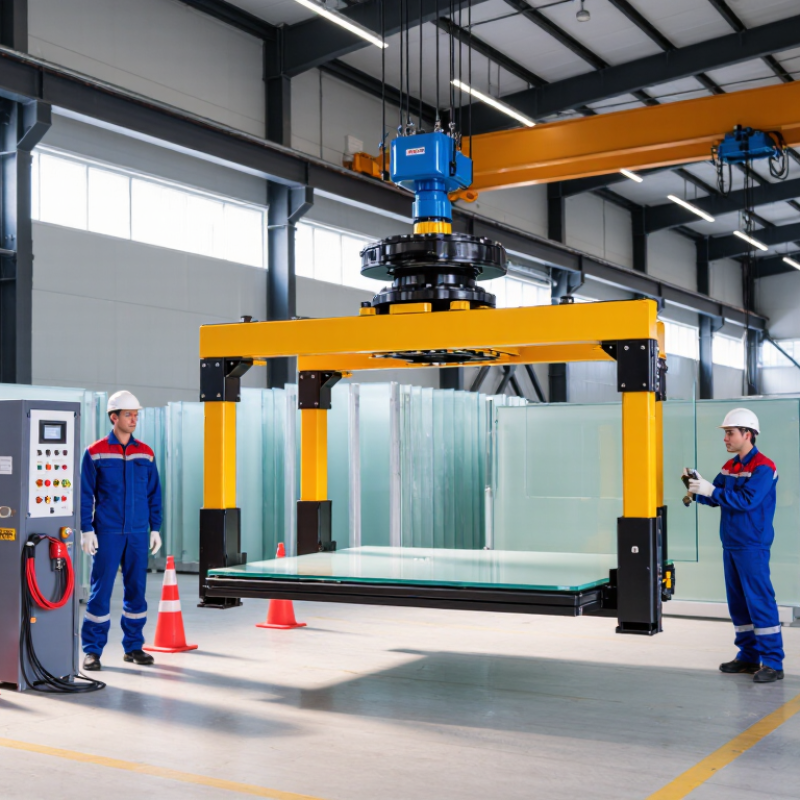
China Top 10 Vacuum Lift Makers How to Fix Emergency Stops?

China’s Top 10 Vacuum Lift Makers and Their Core Product Features

China’s top ten vacuum lift makers serve glass, stone, steel, panels, and warehouse handling. Their core products differ by load, surface, and working height.

One maker focuses on compact battery lifts for windows and insulated panels.

Another builds electric models with adjustable suction cups and rotating frames.

A third supplies pneumatic lifters for continuous factory operations.

Some specialize in stone slabs, using wider pads and reinforced frames.

Others produce sheet-metal systems with magnetic and vacuum-assisted positioning.

Robotic versions combine sensors, programmable movement, and automatic pressure monitoring.

Rail-mounted designs support repetitive lifting along fixed production lines.

Telescopic models help operators reach higher storage racks.

Custom manufacturers adapt frames for unusual shapes and limited spaces.

Portable units remain popular because small installation teams can transport them easily.

Reliable suppliers should provide load charts, vacuum gauges, pressure alarms, and tested emergency-stop controls.

Operators need clear instructions for battery checks, seal inspection, and surface compatibility. A useful design keeps the emergency stop within immediate reach, even while wearing gloves.

Dual-circuit suction can reduce risk when one circuit loses pressure.

However, advertised capacity may change with dust, temperature, surface texture, or worn rubber seals. That detail deserves more attention.

Buyers should request inspection records, replacement-part availability, and practical demonstrations under realistic loads.

Some product catalogs still explain features better than limitations, which can complicate responsible selection.

How Emergency Stops Work on Vacuum Lifting Equipment

How Emergency Stops Work on Vacuum Lifting Equipment

An emergency stop is a red, latching control that halts hazardous movement when normal controls are too slow. On vacuum lifting equipment, it usually stops travel, lifting, or tilting functions. It should not simply cut every electrical circuit. The vacuum circuit must retain enough pressure to support the load safely. Check valves, reserve tanks, and pressure monitoring help prevent sudden release.

ISO 13850 requires emergency-stop functions to use deliberate actuation, manual resetting, and protection against automatic restart. EN 13155 also addresses safety requirements for lifting attachments, including vacuum devices. The U.S. Bureau of Labor Statistics recorded 5,486 fatal occupational injuries in 2022. HSE reported 138 worker fatalities in Great Britain during 2023/24. These figures cover many industries, but they show why emergency controls deserve practical testing, not paperwork alone.

During inspection, technicians should test the button with an unloaded device first. Confirm that movement stops, the warning signal activates, and vacuum pressure remains stable. Release the button, reset the system, and verify that restarting requires a fresh command. Never press the vacuum-release control while a load is suspended. Inspect hoses, seals, filters, and battery supply after every emergency stop. A weak seal may look harmless until the next lift. One common oversight remains uncomfortable: operators sometimes reset the button without investigating why it was pressed. That habit needs correction.

How to Identify the Cause of an Emergency Stop

China Top 10 Vacuum Lift Makers: How to Fix Emergency Stops?

An emergency stop is a symptom, not a diagnosis. Identify what changed before pressing reset. Check the operator station, control cabinet, and pendant for active stop buttons. Then inspect the vacuum gauge, warning lamp, battery level, and audible alarm. A sudden gauge drop often indicates a leaking seal, damaged hose, open valve, or unstable load surface.

Separate electrical causes from vacuum causes. If the gauge remains normal, inspect the safety circuit, limit switches, overload sensor, and power supply. If vacuum falls, test the pad, hose joints, filter, and pump without a suspended load. ISO 13850 requires emergency stops to remain latched until manual reset. Resetting must not create an automatic restart. Never bridge a safety switch for convenience. A gauge can lie. Compare it with a second instrument when readings seem unrealistic.

The U.S. Bureau of Labor Statistics recorded 5,070 fatal workplace injuries in 2024, showing why a small control fault deserves disciplined attention. ISO 12100 also emphasizes hazard identification before corrective action. In field inspections, technicians sometimes replace the pump too quickly. That wastes time when the real fault is a cracked suction pad or loose connector. Record the stop time, load weight, surface condition, alarm code, and voltage. Repeat the test under controlled conditions. If the cause remains uncertain, isolate the equipment and request a qualified inspection. Rushing the reset is often the real mistake.

China Top 10 Vacuum Lift Makers: How to Fix Emergency Stops? — How to Identify the Cause of an Emergency Stop
Diagnostic Area Observed Condition Likely Cause How to Identify the Cause Immediate Safe Action Corrective Action Verification Before Restart Risk Priority
Emergency-stop pushbutton The system remains stopped after the lifting hazard has been removed. The emergency-stop button is still latched or has not been fully reset. Check the button position and follow the equipment’s specified reset method. Do not bypass the emergency-stop circuit. Keep personnel clear of the suspended load and isolate the lifting area. Release or reset the button according to the operating instructions. Replace a damaged or mechanically jammed button. Confirm that the button moves freely and that the control system requires a deliberate restart command. High
Loss of vacuum Vacuum level falls below the machine’s configured safe operating threshold. Leaking suction pad, hose, seal, valve, fitting, or workpiece surface. Read the vacuum gauge, listen for air leakage, inspect hoses and seals, and test the system with a suitable reference surface. Stop movement and lower the load to a safe support if it can be done without entering the danger zone. Clean or replace the suction seal, tighten fittings, repair hoses, and remove contamination from the contact surface. Verify stable vacuum at the manufacturer’s specified level for the intended load and surface. High
Vacuum pump or ejector The pump does not start, runs continuously, or cannot reach the required vacuum. Electrical supply fault, blocked filter, worn pump, insufficient compressed air, or ejector malfunction. Check the power or air supply, listen for pump operation, inspect filters, and compare pressure or vacuum readings with the equipment specification. Do not lift or move a load until the holding system has been proven reliable. Restore the specified electrical or pneumatic supply, clean filters, and service or replace the pump or ejector. Run a no-load functional test followed by a controlled holding test before returning to production. High
Power supply and control circuit Indicator lights are off, the controller resets, or the emergency stop activates after voltage interruption. Disconnected cable, blown fuse, tripped protection device, low voltage, or control-circuit fault. Inspect the electrical panel and connectors using the approved lockout procedure. Measure voltage only by qualified personnel. Isolate the equipment and prevent unexpected re-energization. Repair wiring, replace protective devices with the correct rating, and correct the supply fault. Confirm correct supply voltage, proper grounding, and successful emergency-stop and restart tests. High
Vacuum sensor or pressure switch The gauge appears normal, but the controller reports low vacuum or triggers an emergency stop intermittently. Sensor calibration drift, damaged cable, blocked sensing line, or incorrect switching threshold. Compare the displayed reading with a calibrated test instrument and inspect the sensor connection and sensing line. Stop lifting operations until the monitoring function is dependable. Clean or replace the sensor, repair wiring, and set the switching threshold only within the approved equipment parameters. Test the alarm at the specified threshold and confirm that the machine reacts as designed. High
Suction pad and seal condition The load slips, tilts, or vacuum decays faster than normal during handling. Cracked, hardened, deformed, dirty, or incorrectly sized suction pad. Visually inspect the pad, check its contact pattern, and compare the pad condition with the service requirements. Place the load on a stable support and keep hands away from pinch points. Clean the pad with an approved method or replace it with the correct type and size. Confirm full contact, even sealing, and stable vacuum during a controlled test with no personnel beneath the load. High
Workpiece surface and material Emergency stops occur only on porous, rough, dusty, oily, curved, or textured materials. The surface cannot form an adequate seal or the selected pad is unsuitable for the material. Compare the failed surface with an approved application range and inspect for pores, grooves, contamination, moisture, or curvature. Do not increase the load or continue lifting to compensate for poor adhesion. Clean or prepare the surface, select a suitable pad arrangement, or use a different approved handling method. Perform a documented holding test on the actual material and confirm the required safety margin. High
Hose, tubing, and fittings Vacuum drops when the lifting head moves, rotates, or reaches a particular position. Kinked hose, loose fitting, cracked tube, crushed section, or excessive hose length. Inspect the complete hose route while moving the head through its normal range, without placing anyone beneath a load. Stop the motion and support the load before inspecting the hose system. Reroute hoses, replace damaged tubing, secure fittings, and maintain the specified bend radius. Repeat the movement test and verify that vacuum remains stable throughout the operating range. High
Mechanical overload or imbalance The emergency stop occurs during acceleration, braking, lifting, or rotation of an off-center load. Load exceeds rated capacity, center of gravity is unsuitable, or the lifting point is improperly positioned. Check load weight, dimensions, center of gravity, pad arrangement, and the rated capacity for the actual configuration. Stop movement and lower the load using the safest available procedure. Reduce the load, reposition the pads, use additional approved lifting points, or adjust the handling method. Confirm balanced handling, rated-capacity compliance, and stable operation during a controlled trial. High
Control logic, interlock, or limit switch The emergency stop activates at a repeatable position or during a specific sequence. Open guard, limit-switch misalignment, faulty interlock, software fault, or incorrect sequence logic. Review the event history if available and test each interlock using the approved maintenance procedure. Isolate the equipment and do not defeat, bridge, or bypass any safety device. Realign or replace the switch, repair the control circuit, and have control changes validated by competent personnel. Test every safety function, including stop, reset, interlock, and restart prevention, before release. High
Environmental conditions Stops occur in cold, hot, wet, dusty, vibrating, or chemically contaminated areas. Seal stiffness, condensation, blocked filters, connector contamination, or vibration-induced disconnection. Compare the operating environment with the equipment’s specified temperature, humidity, dust, and chemical limits. Move the load to a safe position and restrict operation until conditions are controlled. Improve protection, drainage, filtration, cleaning, connector sealing, or environmental control. Run repeated tests under representative conditions and confirm that alarms do not recur. Medium
Maintenance and inspection status Emergency stops become more frequent after extended use or after maintenance work. Missed filter replacement, worn components, incorrect assembly, or incomplete post-maintenance testing. Review maintenance records, inspect replaced parts, and compare the current condition with the preventive-maintenance schedule. Remove the equipment from service if the cause cannot be confirmed. Complete the required inspection, replace worn parts, correct assembly errors, and document the repair. Record the fault, corrective action, test results, and authorization before resuming normal operation. Medium
Safety note: Always secure or lower the load before troubleshooting. Never bypass an emergency-stop circuit, vacuum alarm, interlock, or other protective device. Use the lifting equipment’s rated capacity, operating instructions, and applicable machinery-safety requirements when confirming the final repair.

Step-by-Step Procedures for Resetting and Testing the System

When a vacuum lifter makes an emergency stop, keep the load still and clear the work area. Stop. Stay clear. Do not bypass the emergency circuit. Check whether the load has settled, shifted, or lost vacuum. Isolate power before touching sensors, hoses, or electrical covers. Use the equipment manual and site procedures for model-specific instructions.

Press the emergency-stop button again, then release it by turning or pulling it as designed. Confirm that the control pendant shows a normal status. Inspect suction pads, filters, hoses, and the vacuum gauge. Remove visible debris and correct loose connections. Restore power only after every person stands outside the lifting zone. Operate the pump without lifting a load. The gauge should reach the specified vacuum level and hold steadily.

Test the warning light, buzzer, and low-vacuum alarm. Lift a small approved test load a few centimeters, then stop the machine using the emergency button. The pump should stop, the warning system should activate, and the load should remain secure. Lower it immediately if the reading falls. A reset does not prove the system is safe. Repeated stops require qualified inspection, even when the unit restarts normally. Record the fault, gauge reading, test result, and time. I have seen teams skip this record after a successful reset. That shortcut makes later diagnosis harder.

When to Contact the Manufacturer for Professional Repairs

China Top 10 Vacuum Lift Makers: How to Fix Emergency Stops?

When a vacuum lift stops suddenly, press the emergency button and keep the load still. Do not bypass the safety circuit. Check the power supply, control pendant, vacuum gauge, hoses, and visible seals. In field inspections, a loose hose often causes trouble, but repeated stops need deeper testing. Record the alarm code, load weight, surface type, and exact stopping time. These details help technical staff diagnose the fault faster.

Contact the manufacturer when the emergency stop activates without an obvious cause. Professional help is also necessary after a dropped load, electrical smell, impact, vacuum loss, or repeated alarm. Do not open control cabinets unless you are qualified and authorized. Internal repairs may require circuit testing, sensor calibration, or replacement parts. A trained technician can verify holding force under controlled conditions. Local repair experience can help, but unapproved changes may create hidden risks. I have seen operators blame the pump too quickly; the real issue was a damaged seal. Sometimes, the first assumption is wrong.

Tips: Keep the lift out of service until the fault is confirmed. Photograph connectors, gauges, and hose routing before moving anything. Share maintenance records with the manufacturer. Ask for a written repair procedure and final safety-test results. If the manual is unclear, say so. That uncertainty matters.

FAQS

What does an emergency stop usually indicate?

It indicates a problem, not a complete diagnosis. Check what changed before resetting. A normal restart can mislead you.

What should I check before touching the equipment?

Keep the load still and clear the lifting area. Stay clear. Check stop buttons, warning lights, alarms, battery level, and the vacuum gauge.

What can cause a sudden vacuum drop?

Inspect the suction pad, hose joints, valves, filters, and pump. A cracked pad or loose connector may be the real fault.

How can I separate electrical faults from vacuum faults?

If the gauge remains normal, inspect sensors, limit switches, overload protection, and power supply. If vacuum falls, test the pad, hose, filter, and pump without a load.

How should I reset the emergency-stop system?

Confirm that the load is stable and nobody stands below it. Release the stop button as designed, then check for normal control status. Never bridge a safety switch.

What test should follow a reset?

Restore power only after the lifting zone is clear. Run the pump without a load. The gauge should reach and hold the specified vacuum level.

How can I test the warning system safely?

Test the warning light, buzzer, and low-vacuum alarm. Then lift a small approved test load a few centimeters. Stop the system and confirm the load remains secure.

What information should I record after an emergency stop?

Record the stop time, load weight, surface condition, alarm code, voltage, gauge reading, and test result. Small details matter later.

When should the equipment remain isolated?

Isolate it when the cause remains uncertain or stops repeat. Request a qualified inspection. Rushing the reset is often the real mistake.

Conclusion

This article presents a practical overview of China’s top 10 vacuum lift makers, focusing on the core features commonly found in their equipment, such as lifting capacity, vacuum monitoring, safety alarms, ergonomic controls, and backup protection. It also explains how emergency-stop systems work, why they immediately interrupt lifting operations, and how operators can recognize warning signs before a shutdown occurs. The guide is designed to help users understand equipment safety without relying on any specific brand.

For anyone asking, “How to troubleshoot an emergency stop on a vacuum lift?”, the article provides a clear process: secure the load, inspect the emergency-stop button, check power and vacuum levels, review alarms, and confirm that sensors and hoses are properly connected. After correcting the cause, users can reset the system according to the equipment manual and perform a controlled test with no personnel exposed to risk. If the stop repeats, the vacuum remains unstable, or electrical and sensor faults are suspected, professional service should be contacted instead of bypassing safety features.

Henry

Henry

Henry is a dedicated marketing professional with a profound expertise in the company's offerings. With years of experience in the industry, he possesses an impressive understanding of the market dynamics and consumer behaviors that drive success. Henry is committed to sharing his insights through......