Understanding the daily inspection steps for a vacuum lift is critical for ensuring safety and efficiency in various industries. According to the latest report from the International Association of Lift Engineers, more than 30% of lift-related accidents occur due to inadequate inspections. This statistic underscores the need for a thorough daily inspection routine to prevent potential hazards.
Industry expert Dr. Lisa Chen, who specializes in lift safety, states, "What are the daily inspection steps for a vacuum lift? Regular checks can significantly reduce risks." Her insights emphasize the importance of structured and systematic inspections. Each step is crucial, from visual checks of the cable and brake systems to verifying the vacuum seals for any wear and tear.
Neglecting these steps can lead to serious consequences. Inspections should not only confirm functionality but also address issues that may not be immediately apparent. Taking time to analyze the equipment thoroughly can save both time and resources in the long run. Regular engagement with these inspection routines sets a proactive standard in lift management and contributes to overall workplace safety.
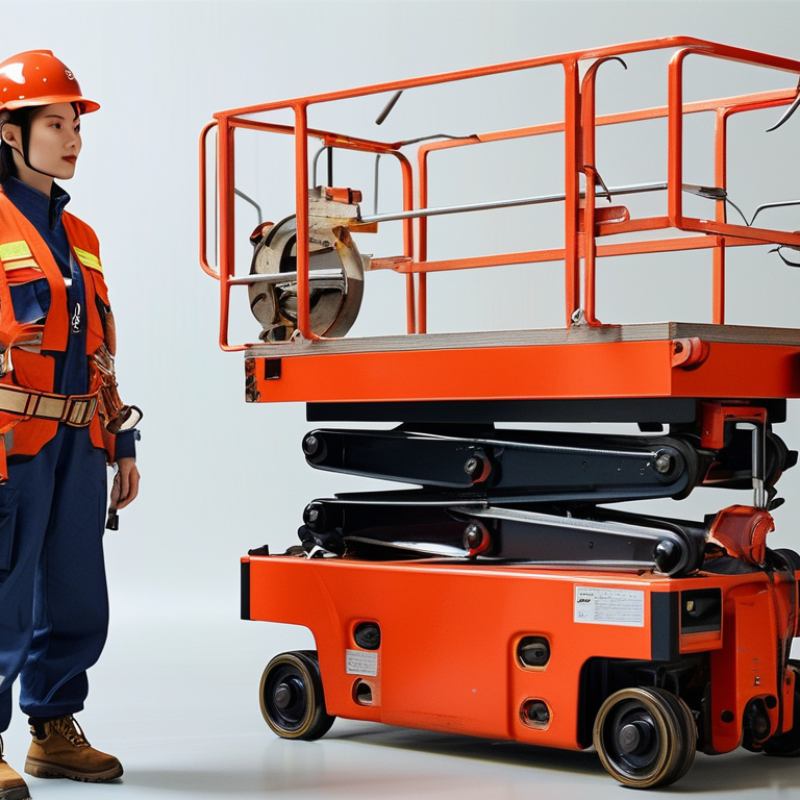
Regular inspections of vacuum lifts are crucial for ensuring safety and functionality. Vacuum lifts are sophisticated systems that rely on pressure differentials for their operation. A small flaw or wear in components can lead to malfunctions. Inspecting these systems frequently helps identify potential issues early. This proactive approach can prevent larger problems down the road.
During inspections, look for signs of wear or damage. Check seals, sensors, and wiring. These components are vital for safe operation. Ignoring them can lead to unexpected failures. However, conducting these inspections requires expertise. Understanding the technology behind vacuum lifts is essential. Not all maintenance teams possess this knowledge. Therefore, relying on professionals for thorough evaluations is critical. Regular inspection schedules should be established and adhered to.
Many facilities overlook inspections due to busy schedules. This negligence could pose risks to users and lead to costly repairs. Maintenance protocols should be documented and reviewed. Continuous training for staff can improve inspection quality. Creating a culture of safety will benefit everyone involved with the equipment.
When inspecting vacuum lifts, it's crucial to focus on key components that ensure optimal performance. The hoist system is one of the main elements to check. Inspect cables for fraying or wear. Additionally, ensure that the lifting mechanism operates smoothly without excessive noise. Small issues can lead to significant malfunctions, so regular checks here are essential.
Next, examine the control panel. Ensure that all buttons and indicators function correctly. A malfunctioning control panel can disrupt the lift's safety features. Pay attention to any flickering lights or unresponsive buttons. These signs might indicate deeper electrical issues which require immediate attention.
Safety features are equally vital. Inspect emergency brakes and backup systems. They must engage correctly during a malfunction. Regular testing ensures reliability, but often these systems are overlooked. Conduct thorough inspections and document findings. Rely on the expertise of trained professionals when issues arise. The safety of users depends on consistent maintenance and reliable inspections.
Conducting a vacuum lift inspection requires meticulous attention to detail. Start by visualizing the equipment components. Inspect for signs of wear and tear, such as cracks or deformation. According to industry reports, nearly 30% of incidents arise from neglected inspection. This statistic underscores the importance of thorough checks.
Tips: Always document your findings. Take photos of any irregularities. This record will be indispensable for future inspections.
Next, assess the lifting mechanism functionality. Ensure that the vacuum seal is intact. A compromised seal can lead to failures during operation. In fact, studies reveal that 40% of vacuum lift failures stem from inadequate maintenance. Regular testing of lift operations can prevent accidents.
Tips: Schedule inspections monthly. Consistency enhances safety and reliability. Involving a certified technician can offer an added layer of assurance.
Lastly, review all safety features. Check alarms, emergency stops, and backup systems. Some lift operators overlook these components. Keeping a checklist can avert potential pitfalls. Always be prepared for unanticipated issues.
| Step Number | Inspection Step | Description | Frequency | Responsible Person |
|---|---|---|---|---|
| 1 | Visual Inspection | Check for any visible damage to the vacuum lift. | Daily | Operator |
| 2 | Functional Test | Ensure the vacuum lift operates correctly. | Daily | Maintenance Team |
| 3 | Seal Inspection | Inspect seals for wear or damage. | Weekly | Maintenance Team |
| 4 | Vacuum Pressure Check | Measure and record the vacuum pressure levels. | Weekly | Technician |
| 5 | Safety Device Check | Test safety devices to ensure proper functionality. | Monthly | Safety Officer |
During vacuum lift inspections, it’s crucial to identify common issues that may affect performance and safety. A significant area to examine is the sealing integrity. Regular checks help ensure that seals remain intact. Any visible wear or damage can reduce suction strength. It’s also vital to inspect the vacuum pumps for proper function. Look for unusual noises or vibrations, which may indicate a malfunction.
Another important aspect is the condition of the lifting pads. They should be clean and free from debris. Contaminants can impair adhesion. If a pad appears worn or cracked, it may require replacement. Additionally, inspect the hoses and fittings for leaks or discrepancies. A compromised hose can lead to loss of vacuum pressure.
Lastly, confirm that the vacuum gauge is functioning correctly. This tool provides critical feedback on the system’s performance. Any discrepancies here could signal underlying issues. Regular inspections not only enhance safety but also extend the equipment's lifespan. It’s essential to document any findings for future reference.
Documenting inspection findings in vacuum lifts is crucial for maintaining safety and efficiency. According to a report by the International Lift and Escalator Industry (ILEI), the failure rate for vacuum lifts can increase significantly without proper documentation procedures. Regular inspections lead to better data collection, allowing maintenance teams to identify trends and potential issues.
Using standardized forms for recording inspection data can promote consistency in evaluations. Visual aids, such as photography, can also enhance reports. A study from the Lift Institute indicates that lifts with detailed documentation have 30% fewer incidents compared to those with minimal or no records. Clearly outlining issues, repairs, and scheduled follow-ups helps track the performance of each vacuum lift effectively.
However, challenges remain. Many operators still rely on verbal communication rather than formal documentation. This creates gaps in knowledge that can lead to costly mistakes. According to the National Association of Elevator Contractors (NAEC), nearly 25% of issues reported could have been avoided with better record-keeping practices. Operators should be encouraged to adopt comprehensive inspection documentation methods to improve overall operational safety.
: Regular inspections ensure safety and functionality. Small flaws can lead to malfunctions, so checking them often is crucial.
Look for signs of wear or damage. Inspect seals, sensors, and wiring closely. These parts are vital for safe operation.
DIY inspections can be risky. Expertise is necessary for thorough evaluations. It's best to rely on professionals with knowledge of the technology.
Aim for monthly inspections. Consistent checks can enhance safety and reliability for vacuum lifts.
Neglecting inspections poses risks and can lead to costly repairs. Many facilities overlook this due to busy schedules, which is dangerous.
Always document your inspections. Take photos of irregularities for future reference. This practice is invaluable for follow-up inspections.
Safety features like alarms and emergency stops are essential. Some operators overlook them, but reviewing these can prevent accidents.
Studies show 40% of vacuum lift failures arise from inadequate maintenance. Regular checks can help reduce this risk significantly.
Yes, continuous training improves inspection quality. A culture of safety benefits everyone involved with vacuum lift operations.
Always have a checklist for inspections and be ready for unanticipated problems. Preparation is key to ensuring safety.
Regular inspections of vacuum lifts are crucial to ensure their safety and efficiency. What are the daily inspection steps for a vacuum lift? The process begins with assessing the key components, such as the vacuum system, control mechanisms, and safety features. A step-by-step guide includes checking for any wear and tear, ensuring all connections are secure, and testing safety devices.
During inspections, it's essential to look for common issues like leaks, unusual noises, or irregular movements, which could indicate underlying problems. Best practices for documenting findings include keeping detailed records of inspection results, maintenance actions taken, and any discrepancies noted. By following these daily inspection steps, operators can maintain the reliability of vacuum lifts and enhance operational safety.

Bendo Lift