China Best Methods to Lift and Rotate Heavy Drums Safely?

Time:2026-06-04 Author:Mason
0%

Lifting and rotating heavy drums poses significant safety challenges in various industries. According to industry expert John Smith, "Proper techniques are crucial to prevent injuries when handling heavy materials." This insight underscores the importance of mastering methods that answer the critical question: How to safely lift and rotate heavy drums 180 degrees?

Many workers approach drum handling with a sense of urgency, often neglecting safety protocols. Inadequate training can lead to accidents. For instance, a lack of proper leverage can result in muscle strain or worse. Workers must be aware of their surroundings when maneuvering heavy objects, and understanding the equipment is equally essential.

Using specialized gear like drum lifters or cranes can mitigate risks. These tools provide the necessary support for safely lifting and rotating drums. Yet, even with the best equipment, users must consistently evaluate their techniques. Rushing through tasks can lead to overlooking essential steps. Continuous improvement in handling methods is vital for building a safer work environment.
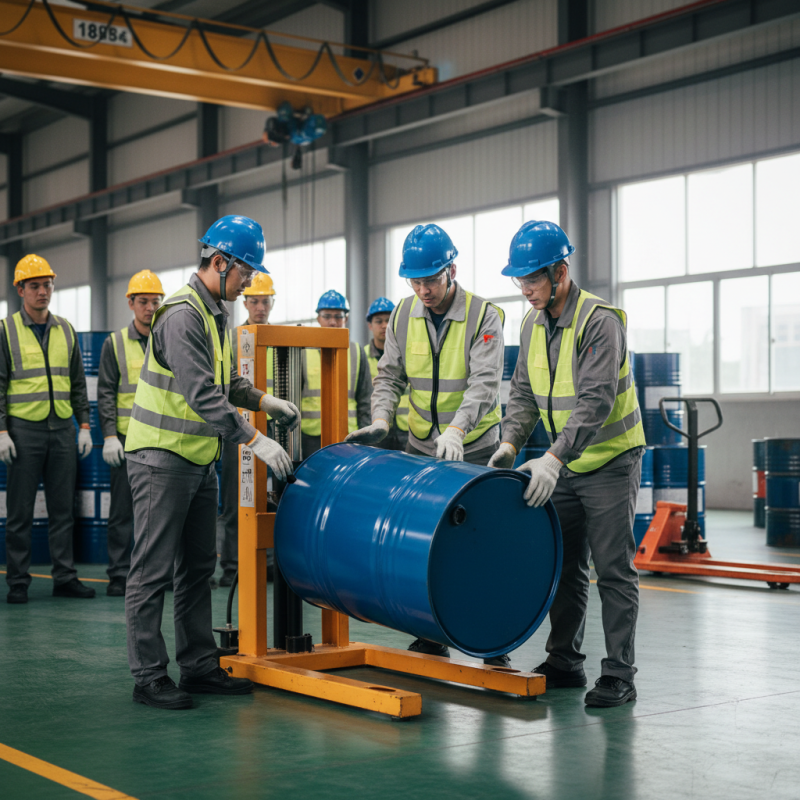
China Best Methods to Lift and Rotate Heavy Drums Safely?

Safety Considerations for Lifting Heavy Drums in China

Lifting and rotating heavy drums requires careful considerations, especially in China’s industrial settings. Proper techniques and equipment can prevent accidents. The weight and bulk of these drums mean that safety must be a priority.

One key tip is to always assess the load before lifting. Ensure that the drum is stable and securely placed. Inspect lifting equipment thoroughly. Look for any signs of wear or damage. Assess risk factors and consider environmental conditions. For example, a slippery surface can lead to accidents.

In addition, using the right tools is essential. Chain hoists and forklifts are common, but proper training in their use cannot be overlooked. Operators should be skilled and aware of safety protocols. It’s crucial to communicate clearly when working as a team. Use hand signals or radios to ensure everyone is informed about the movements.

While there may be various methods and equipment available, not all are equally effective or safe. Regular training and drills help reinforce safety procedures. Reflect on past experiences and learn from them. Every workplace has unique challenges that require tailored approaches.

Common Techniques for Lifting and Rotating Heavy Drums

When it comes to lifting and rotating heavy drums, safety is paramount. One common technique involves the use of a drum dolly. This wheeled platform allows workers to easily transport drums without excessive physical strain. It’s vital that the dolly is specifically designed to support the weight and dimensions of the drum.

Another widely used method is the drum lifting clamp. This device securely grips the drum, allowing for vertical lifting. Properly inspecting the clamp before use is crucial. A worn or defective clamp can lead to accidents. Additionally, workers should be trained in its proper operation to avoid mishandling.

Using a forklift can also be effective. This method requires training to ensure safe operation. Operators must be aware of the load's center of gravity. Misjudging this can cause the drum to tip. Despite these techniques, every lifting scenario comes with risks. Regular safety audits and training refreshers can help mitigate these dangers.

Methods for Lifting and Rotating Heavy Drums Safely

Using Lifting Equipment: Cranes and Hoists for Drum Handling

When handling heavy drums, using lifting equipment such as cranes and hoists is crucial for safety. According to industry reports, improper lifting techniques account for nearly 40% of workplace accidents involving heavy loads. This staggering statistic highlights the necessity for using the right equipment to minimize risks.

Cranes and hoists come in various designs, suitable for different environments and loads. For instance, an electric hoist can lift weights up to 2000 kg, making it a reliable choice for most facilities. However, it’s essential to ensure that your lifting equipment is maintained regularly, as wear and tear can lead to failures. A 2020 survey revealed that 25% of lifting equipment operators admitted to using poorly maintained gear. This is unacceptable in an industry where safety is paramount.

Always use the right attachments for lifting drums. Missing or incorrect slings can lead to accidents. A recent guideline indicates that approximately 15% of injuries could have been prevented with proper equipment. Educating staff on safe lifting practices is just as important as investing in quality machinery. Regular training and assessments can significantly reduce the risk of injuries.

Manual Handling Tips for Safely Moving Heavy Drums

When it comes to manually handling heavy drums, safety should always come first. Drums can weigh hundreds of pounds. This weight can lead to serious injuries if not handled properly. Ensure workers have personal protective equipment, such as gloves and steel-toed boots, to minimize risk.

Using proper lifting techniques is crucial. Always bend your knees, keep your back straight, and lift with your legs. Don't twist your body while lifting or carrying. Instead, take small steps to change direction. It’s sometimes tempting to rush, but taking your time can prevent accidents.

Communication among team members is vital. Always let others know when you're moving a drum. This can help avoid collisions and ensure everyone is aware of potential hazards. Regular training sessions on manual handling can significantly improve overall safety awareness. It’s always good to reflect on past experiences. Identify any near misses and learn from them. Continuous improvement is key in creating a safer work environment when handling heavy loads.

China Best Methods to Lift and Rotate Heavy Drums Safely? - Manual Handling Tips for Safely Moving Heavy Drums

Method Description Safety Tips Recommended Equipment
Manual Lifting Using proper lifting techniques to pick up drums manually. Keep your back straight, bend your knees; lift with your legs. None
Mechanical Hoist Using a hoist to lift and move drums safely. Ensure the hoist is rated for the weight of the drum. Electric or hydraulic hoist
Drum Dollies Using a dolly for easier transport of drums. Check wheels and bearings for proper functionality. Drum dolly
Forklifts Using forklifts for safe lifting and transport. Always wear a seatbelt; ensure load is stable. Forklift truck
Strapping Techniques Using straps for safe rotation of drums. Ensure straps are secure before lifting. Straps and winches

Training and Best Practices for Personnel Handling Drums

Handling heavy drums requires proper training for personnel. Effective techniques can significantly reduce the risk of injury. According to the Bureau of Labor Statistics, material handling incidents account for 25% of workplace injuries. These injuries typically result from improper lifting techniques.

Training programs should focus on body mechanics. Personnel must learn to use their legs and keep the load close. Elevation and rotation techniques are essential. For instance, using hydraulic lifts or pallet jacks can dramatically improve safety. Implementing such equipment reduces the strain on the body. Unfortunately, many workplaces overlook the necessity of training. This gap can lead to serious accidents and financial losses.

Regular retraining ensures skills remain fresh. Workers should participate in simulations and hands-on practice. A recent study found that 70% of employees felt more confident after such training. However, some still underestimate the risks involved. It’s crucial to foster a culture that prioritizes safety over speed. Inadequate training can leave personnel exposed to hazards. Organizations must continuously evaluate their training effectiveness and adjust as needed.

FAQS

: What is a drum dolly?

: A drum dolly is a wheeled platform used to transport heavy drums easily.

Why is inspecting a drum lifting clamp important?

Inspecting prevents accidents caused by worn or defective clamps before use.

What should workers wear when handling heavy drums?

Workers should wear gloves and steel-toed boots for personal protection.

What is the proper technique for lifting heavy drums?

Bend your knees, keep your back straight, and lift with your legs.

How should you change direction while carrying a drum?

Take small steps rather than twisting your body while carrying.

Why is communication important when moving heavy drums?

Communication avoids collisions and ensures everyone is aware of potential hazards.

What can improve safety awareness in manual handling?

Regular training sessions can significantly improve safety awareness.

What is a common risk of using a forklift?

Misjudging the load's center of gravity can cause the drum to tip.

How can teams learn from past mistakes?

Reflect on near misses and identify lessons to improve safety.

What role do safety audits play?

Regular safety audits help mitigate dangers in lifting scenarios.

Conclusion

When considering "How to safely lift and rotate heavy drums 180 degrees," several key practices emerge from the outlined methods. Safety first involves assessing the weight and stability of the drum, ensuring that the lifting environment is clear and well-organized. Common techniques include using appropriate lifting equipment such as cranes and hoists, which significantly reduce the risk of injury.

In addition to employing machinery, manual handling tips, such as using proper posture and team lifting strategies, are crucial for safely moving heavy drums. Ongoing training and adherence to best practices for personnel handling is essential to ensure that all staff are equipped with the knowledge and skills needed to perform these tasks safely. Proper preparation and technique can greatly enhance safety and efficiency when dealing with heavy drums.

Mason

Mason

Mason is a seasoned marketing professional with a deep expertise in the company's offerings and a passion for driving brand awareness. With a strong background in digital marketing strategies, he has an innate ability to connect with diverse audiences and effectively communicate product benefits.......