5 Tips to Choose a Vacuum Lift for 500kg Steel Plates?

Time:2026-09-10 Author:Oliver
0%

Choosing a vacuum lift for 500kg steel plates is not simply a matter of selecting a 500kg-rated machine. Real lifting conditions often change the answer.

So, what size vacuum lift do I need for 500kg steel plates? The practical answer depends on plate thickness, surface condition, shape, temperature, and lifting direction. A clean, flat plate behaves differently from an oily plate with rust, scale, or slight distortion. Even a small air leak can reduce holding performance.

According to Markus Keller, a material-handling engineer with 18 years of field experience, “A safe vacuum lift starts with the weakest real-world condition, not the best number on the specification sheet.” His point is important. A 500kg load usually needs a lift with a higher working capacity, especially when plates are moved vertically or across uneven surfaces.

This guide examines five selection tips. It considers rated capacity, vacuum pad layout, steel surface quality, safety reserves, and handling frequency. It also explains why a larger model is not always the best model. Oversized equipment may reduce control in narrow workspaces. It can also increase maintenance and operating costs.

Small details matter. Think of a cold plate leaving a damp storage area. Think of one pad crossing a shallow dent. These conditions can change the lifting decision.

There is no perfect shortcut. Some recommendations may need adjustment after an on-site test. A qualified lifting professional should verify the final choice before regular operation.
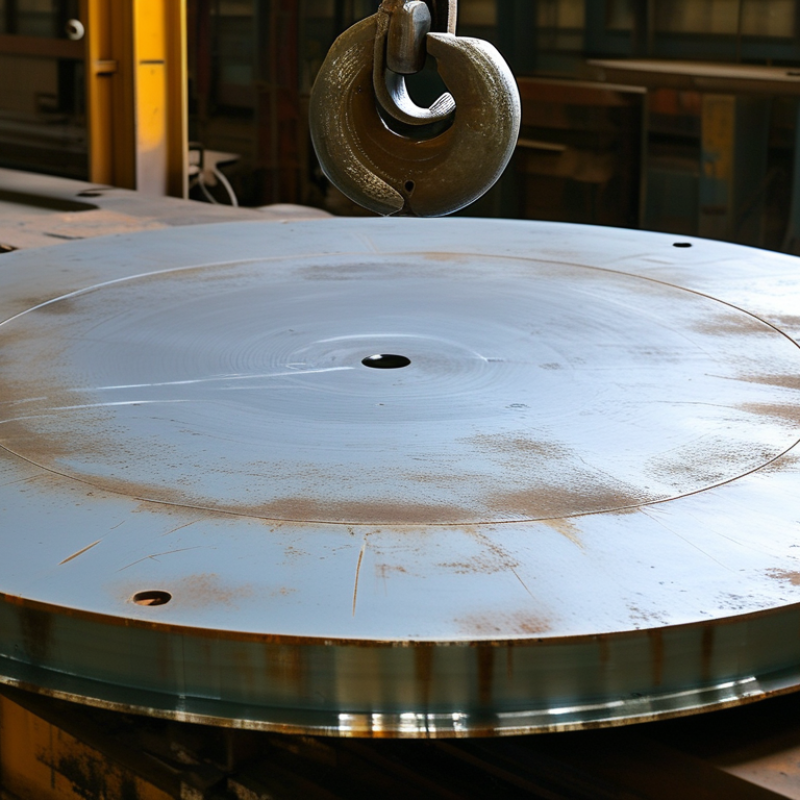
5 Tips to Choose a Vacuum Lift for 500kg Steel Plates?

Define the Load and Plate Conditions Before Choosing a Vacuum Lift

5 Tips to Choose a Vacuum Lift for 500kg Steel Plates

Before choosing a vacuum lift, define the real load, not only the plate weight. A 500kg plate may need a higher rated capacity because of dynamic forces during movement. Check the plate length, width, thickness, and center of gravity. A narrow plate can tilt when lifted from one end. That mistake is expensive.

Plate condition matters just as much. Smooth, clean steel usually supports a stable vacuum seal. Rust, scale, paint flakes, oil, or condensation can create small leakage paths. Even shallow dents near the suction pads may reduce holding performance. I have seen operators focus on capacity while ignoring surface quality. The result was repeated vacuum loss during testing.

Measure the surface temperature, too. Hot steel can affect seals and reduce vacuum reliability. Confirm whether the plate is flat, curved, perforated, or slightly warped. Ask how often plates are moved and whether they are stored outdoors. A lift used in dusty conditions needs practical filtration and clear vacuum indicators. Its safety factor should follow applicable workplace requirements and a qualified inspection procedure. Perform a controlled trial with a representative plate before regular use. Lift it only a few centimeters, wait, and watch the gauge. If the vacuum drops, stop and investigate. Specification sheets cannot reveal every weakness.

Check Vacuum Capacity, Safety Factor, and Lifting Performance

Choosing a vacuum lift for 500 kg steel plates requires more than matching the rated load. Check vacuum capacity, safety factor, and lifting performance together. A plate may have oil, scale, moisture, or slight warping. These conditions reduce sealing quality.

EN 13155 and ASME B30.20 emphasize rated capacity, controlled testing, and reliable holding systems. I would calculate capacity from actual vacuum pressure, pad area, plate thickness, and leakage limits. A perfect rating on paper can still fail on a dirty surface.

Tip 1: Demand a clear safety margin.

The working load limit should exceed 500 kg after considering acceleration, uneven loading, temperature, and possible vacuum loss. Ask for test records, alarm functions, reserve vacuum, and proof-load results.

HSE reported 473,000 workers affected by work-related musculoskeletal disorders in Great Britain during 2022/23. Better lifting equipment can reduce manual handling exposure, but only when operators use it correctly.

Tip 2: Test real plates, not only laboratory samples.

Measure holding time after pump shutdown. Observe the lift during starting, stopping, and turning.

Tip 3: Inspect lifting performance.

The device should raise the plate smoothly, keep it level, and show visible or audible warnings before pressure becomes unsafe. ISO 12100 recommends risk assessment across the machine’s full operating cycle.

I would also repeat tests after cleaning the pads; this step is easy to overlook. A 500 kg plate moving only a few centimeters can create severe impact energy. A trained operator, documented inspections, and a conservative capacity decision remain essential.

Select the Right Vacuum Pad Design for Steel Plate Surfaces

For a 500 kg steel plate, pad design matters more than appearance. Begin with the surface condition. Flat rubber pads suit smooth, clean plates with minimal waviness. Flexible pads seal better around light texture, shallow scratches, or slight plate distortion. Rough rust can still create leaks. Oil changes the result too.

Use multiple pads to spread the load evenly. Keep them away from holes, seams, and damaged edges. Their layout should follow the plate’s center of gravity, not just its corners. A narrow plate may need a longer pad arrangement to reduce bending. Check the lifting frame for deflection. Small movement can break an otherwise good seal.

Vacuum capacity depends on pad area, pressure difference, and real leakage. Do not rely only on a catalogue rating. Inspect the seal lips before each lift, then test the vacuum on the actual plate. Raise it only a short distance and hold it briefly. Watch the gauge for a pressure drop. A clean, dry plate is ideal, but steel yards rarely stay perfect. In practical handling, assuming every plate behaves the same is a common mistake. Recheck after paint changes, rain, oil exposure, or heavy oxidation. The safer design may require larger pads, more contact points, or a lower working load. Test it twice.

5 Tips to Choose a Vacuum Lift for 500kg Steel Plates? - Select the Right Vacuum Pad Design for Steel Plate Surfaces

Tip Steel Plate Condition Recommended Vacuum Pad Design Key Selection Data Practical Recommendation
1. Match the pad to the surface condition Clean, smooth, painted, oily, rusty, scaled, or slightly uneven steel surfaces. Use a soft, flexible sealing lip for smooth surfaces. Use a thicker and more compliant foam or rubber seal when the plate has light texture, scale, or minor waviness. A vacuum pad must maintain a continuous seal. Surface leakage reduces the available lifting force even when the vacuum gauge shows an initially acceptable reading. Inspect and clean the contact area before lifting. Do not rely on a standard thin lip seal for heavily scaled, deeply pitted, perforated, or highly corrugated surfaces.
2. Size the total pad area using a safety factor Flat steel plate with a maximum load of 500 kg. Use multiple pads or a distributed pad frame rather than concentrating the complete load at one small contact point. Load force: approximately 4,905 N. At 60 kPa usable vacuum and a safety factor of 2, theoretical minimum effective area is about 0.164 m². Actual design area should be increased for leakage, plate flexibility, acceleration, and uneven loading. Treat 0.164 m² as a calculation reference, not a guaranteed rated capacity. Confirm the manufacturer’s rated capacity under the actual surface and lifting orientation.
3. Select the correct pad shape and arrangement Large plates, narrow plates, long plates, or plates with variable dimensions. Round pads are efficient for concentrated areas; rectangular pads provide better coverage on wide flat plates. Adjustable multi-pad frames help distribute the load. Pad spacing should limit plate bending and keep the center of gravity inside the support pattern. The pad frame should be balanced around the expected load center. For thin or flexible plates, use more contact points with wider spacing control. For compact, rigid plates, fewer larger pads may be suitable if the rated load and stability checks are satisfied.
4. Check vacuum performance and leakage control Surfaces with oil film, dust, paint irregularities, weld spatter, or small gaps. Choose pads with visible vacuum indicators, non-return valves, isolation valves, and a vacuum reservoir where appropriate. The system should remain within its approved operating vacuum range after the pump is isolated. Leakage rate, pump capacity, hose length, and valve response affect holding reliability. Test the complete assembly with the actual plate surface. Do not approve a lift solely from the pump’s free-air vacuum rating or from a no-load test.
5. Verify stability, orientation, and operating limits Horizontal lifting, vertical lifting, tilting, or transferring plates through a swing path. Use a load-leveling frame and adequate pad distribution for horizontal handling. Vertical or tilting applications require equipment specifically rated for that direction of loading. Consider shear forces, peel forces, dynamic effects, plate deflection, temperature, surface contamination, and the actual center of gravity. Vacuum capacity for horizontal lifting is not automatically valid for vertical lifting. Keep personnel outside the suspended-load zone. Follow applicable lifting regulations, inspect seals and hoses before use, and perform a controlled proof test according to the approved procedure.
Reference calculation: For a 500 kg load, gravitational force is approximately 4,905 N using 9.81 m/s². At 60 kPa usable differential pressure, the ideal holding area is calculated as force ÷ pressure. A qualified lifting designer must add the required safety margin and account for leakage, load orientation, plate stiffness, acceleration, and surface condition before selecting the final vacuum lift.

Evaluate Power Supply, Controls, and Backup Safety Systems

Choosing a vacuum lift for 500kg steel plates starts with the power supply, not the catalogue photograph. Confirm the required voltage, phase, current, and duty cycle with an electrician. A 500kg load needs more than nominal suction; surface texture, oil, rust, and plate temperature reduce real holding force. EN 13155 requires lifting attachments to maintain a defined safety factor, but the exact margin depends on the equipment design and application. Ask for test records, not only a rated capacity label.

Controls should show vacuum level, power status, and overload warnings near the operator’s sightline. A guarded two-step release control can prevent accidental unloading. Keep the emergency stop reachable. Battery backup is essential when a cable fails or voltage drops. It should maintain safe holding pressure long enough to lower the plate, not merely sound an alarm. The U.S. Bureau of Labor Statistics recorded 885 fatal workplace falls, slips, and trips in 2023. This figure does not describe vacuum lifting alone, but it shows why secondary protection matters. A mechanical retaining device, non-return valve, and independent vacuum reserve can reduce dependence on one component. Test each function with a controlled load before production use.

Operators should inspect seals, hoses, filters, and gauges every shift. Small leaks are easy to ignore. That is a mistake. ISO 12100 risk assessment principles support checking foreseeable failures, including power loss and uneven surfaces. In practice, I would repeat the test after heating, oiling, and repositioning a plate. Laboratory results can look perfect; a busy steel shop is less forgiving. Cite the current editions of EN 13155, ISO 12100, and local lifting regulations before approval.

5 Tips to Choose a Vacuum Lift for 500 kg Steel Plates

Required total effective suction area versus vacuum differential pressure, calculated for a 500 kg load with a 2.0 design safety factor.

The calculation uses F = ΔP × A. At 60 kPa vacuum differential pressure, the minimum theoretical effective suction area is approximately 0.164 m². Actual equipment selection must also account for leakage, surface roughness, plate deflection, cup spacing, temperature, power-supply stability, independent vacuum monitoring, non-return valves, and a backup safety system. Confirm the final design against the applicable lifting-equipment standard and a qualified engineer's assessment.

Compare Durability, Maintenance, and Workplace Compatibility

A 500 kg steel plate demands more than a strong vacuum pump. Select a lifter with a rated capacity above the working load, verified under real conditions. Oil, scale, heat, and rough surfaces can reduce holding performance. Check the seal material, frame welds, lifting eyes, and battery enclosure. A thick steel frame may last longer, but it can increase crane loading and handling effort.

Durability also depends on maintenance access. Choose visible vacuum gauges, replaceable seals, protected hoses, and simple filter cleaning. Record vacuum readings before each shift. Test alarms and backup systems, not only the main pump. The HSE report Work-related Musculoskeletal Disorders in Great Britain, 2023/24, recorded 543,000 affected workers and 6.79 million lost working days. Poor handling design remains expensive. A lifter that reduces manual pushing can support safer routines, but only when operators understand its limits.

Workplace compatibility needs a physical trial. Measure crane height, plate storage gaps, aisle width, and surface temperature. Confirm the attachment works horizontally and vertically, where required. EN 13155 and ISO 12100 provide useful references for lifting safety and hazard assessment. Dusty mills may need sealed controls; oily plates may need different seal inspection intervals. Do not trust a clean factory test completely. Real steel surfaces are less cooperative. A practical trial with the heaviest, roughest plate can expose weaknesses before installation. My own preference is conservative: reject unclear ratings, inaccessible parts, and alarms operators cannot hear.

FAQS

: What should be checked before choosing a vacuum lift for a 500 kg steel plate?

: Check weight, dimensions, thickness, center of gravity, and movement speed. A narrow plate may tilt when lifted from one end. Do not size the lift from weight alone.

How does plate surface condition affect vacuum holding?

Clean, smooth steel usually provides a better seal. Rust, scale, oil, paint flakes, dents, and condensation can cause leakage. Small surface damage matters.

Does plate temperature need measurement?

Yes. Hot steel can weaken seals and reduce vacuum reliability. Check whether plates are flat, curved, perforated, or warped. Temperature is easy to overlook.

What power supply information is important?

Confirm voltage, phase, current, and duty cycle with a qualified electrician. The lift should suit the actual workplace supply. Do not trust a catalogue photograph.

Which controls and backup systems improve safety?

Use visible vacuum gauges, power indicators, overload warnings, and an accessible emergency stop. A guarded release control can prevent accidental unloading. Battery backup should support safe lowering after power loss.

What secondary protection should a vacuum lift have?

Consider a mechanical retaining device, non-return valve, and independent vacuum reserve. These systems reduce reliance on one component. They do not replace inspections.

How should operators test a new lift?

Use a representative plate, preferably the heaviest and roughest one. Lift it only a few centimeters. Wait and watch the gauge. Stop immediately if vacuum drops.

What maintenance checks are practical during each shift?

Inspect seals, hoses, filters, gauges, alarms, and backup systems. Clean filters and record vacuum readings before work begins. Small leaks are easy to ignore. That is a mistake.

How can workplace compatibility be confirmed?

Measure crane height, aisle width, storage gaps, and surface temperature. Check horizontal and vertical lifting requirements. A controlled workplace trial may reveal problems that factory testing misses.

What should happen when ratings or warnings are unclear?

Pause the purchase and request test records, inspection procedures, and clear capacity limits. Reject inaccessible parts or alarms operators cannot hear. My preference is conservative, though real conditions may still expose weaknesses.

Conclusion

Choosing a vacuum lift for 500kg steel plates requires more than matching the rated load. First, assess the plate dimensions, thickness, surface condition, temperature, moisture, oil, rust, and any coating, since these factors affect sealing and grip. Ask, “What size vacuum lift do I need for 500kg steel plates?” The answer depends on the plate’s actual weight, the number and arrangement of vacuum pads, the surface quality, and the required safety factor. Verify the equipment’s vacuum capacity, lifting speed, stability, and ability to handle the plate in the intended orientation.

Next, select pad shapes and materials that suit smooth, textured, or uneven steel surfaces. Check the power source, control layout, vacuum monitoring, alarms, automatic holding functions, and backup systems for safe operation during power loss. Finally, compare frame construction, corrosion resistance, replacement-part access, inspection requirements, and maintenance intervals. The best solution should fit the available workspace, crane or hoist, handling frequency, and operator training level while providing reliable performance and clear safety procedures.

Oliver

Oliver

Oliver is a seasoned marketing professional with a wealth of expertise in driving brand awareness and engagement. With a deep understanding of our company's product offerings, he consistently delivers high-quality content that enriches our professional blog. His insights not only shed light on......